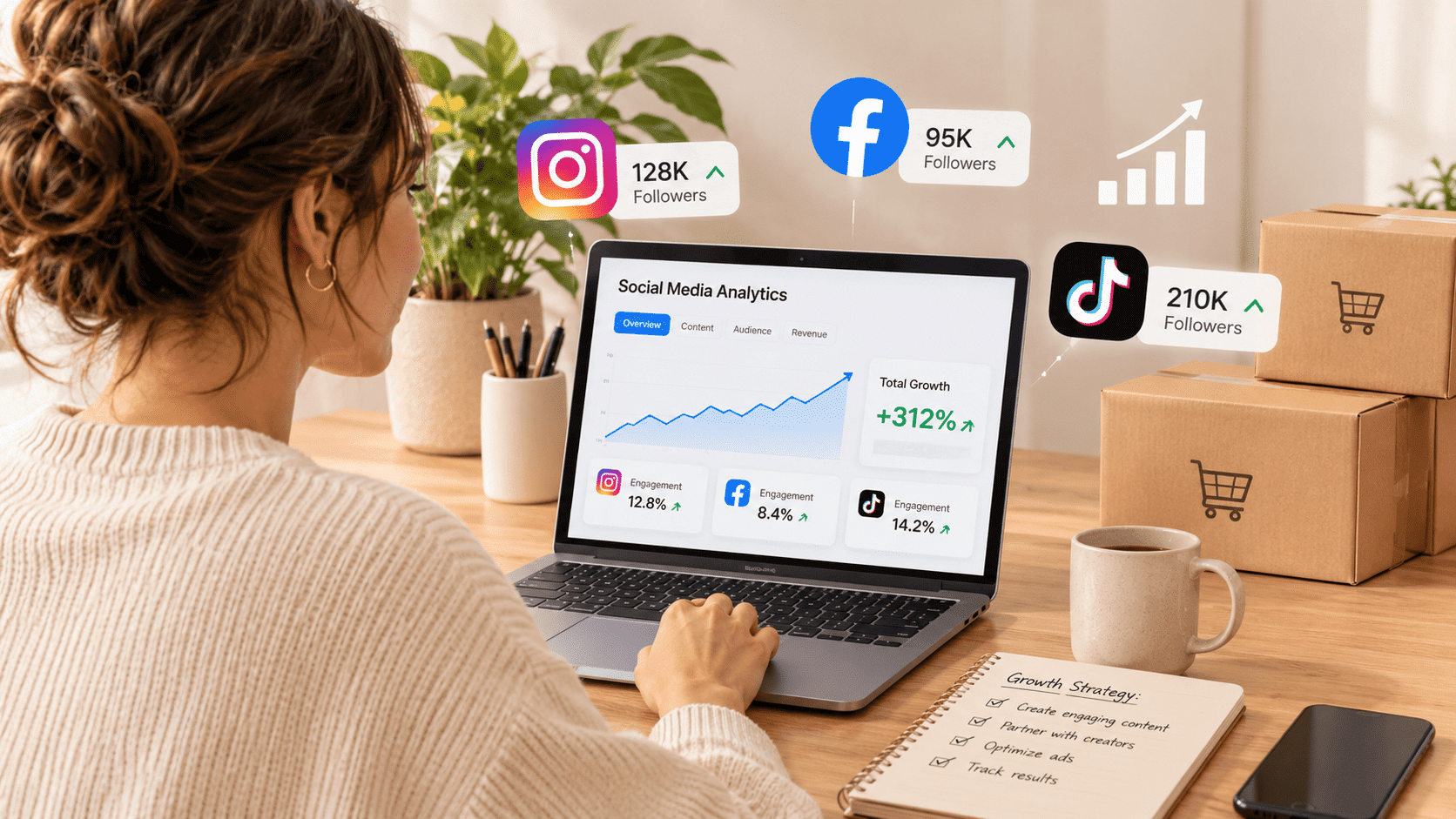
A common theme in “how I used social media to scale my e-commerce brand” stories is that you’re reaching people who already follow and care about your product type, instead of building an audience from scratch. For sellers usingAI dropshipping tools, social media e-commerce scaling comes down to finding the right audience first and the right product second.
The numbers explain why. According to Sprout Social’s Q2 2025 Pulse Survey, 76% of social media users say social media has influenced some of their purchases in the past six months, and 90% of Gen Z users agree. Additionally, 64% of users are more willing to buy from a brand that has partnered with an influencer they like. In this guide, we’ll look at the main ways to borrow an audience, where each one works, and how to findwinning products before you spend on them.
Key Takeaways
Social media works for scaling because you reach people who already care about your product type.
Partnership ads and TikTok Shop affiliate deals both rely on a creator’s audience, so audience fit matters more than follower count.
Affiliate deals pay per sale, which lowers the risk for smaller Shopify and dropshipping stores testing a product.
Buying an established account is the most direct route, but it needs careful checks.
Validate the product first, because an audience only drives the click.
Trust is the reason. The stats above suggest that building trust through a recommending account can be a major factor in winning over new customers, which is why the main options for scaling focus on audience amplification. That doesn’t mean you can’t also build a business through search, marketplaces or email, but skipping social could be a missed opportunity, because it’s a channel a lot of shoppers use.
A useful way to think about it: you can either build an audience yourself or borrow one. Borrowing is faster, and the sections below cover the three main ways to do it.
No title
Pro Tip: Before you pick a channel, decide which product you’re scaling. Social works best when you start from a product with proven demand, so check what’s already selling in thelive reports first.
How Do Partnership Ads Put Your Products in Front of Creator Audiences?
Meta’s partnership ads let brands run Facebook and Instagram ads from a creator’s or partner’s handle instead of their own. The creator needs a professional Instagram account and must meet Meta’s eligibility rules.
So instead of a new store’s ad appearing from an account nobody recognizes, it shows up under a name the viewer may already follow. That can help it earn attention that a brand-new page would struggle to get.
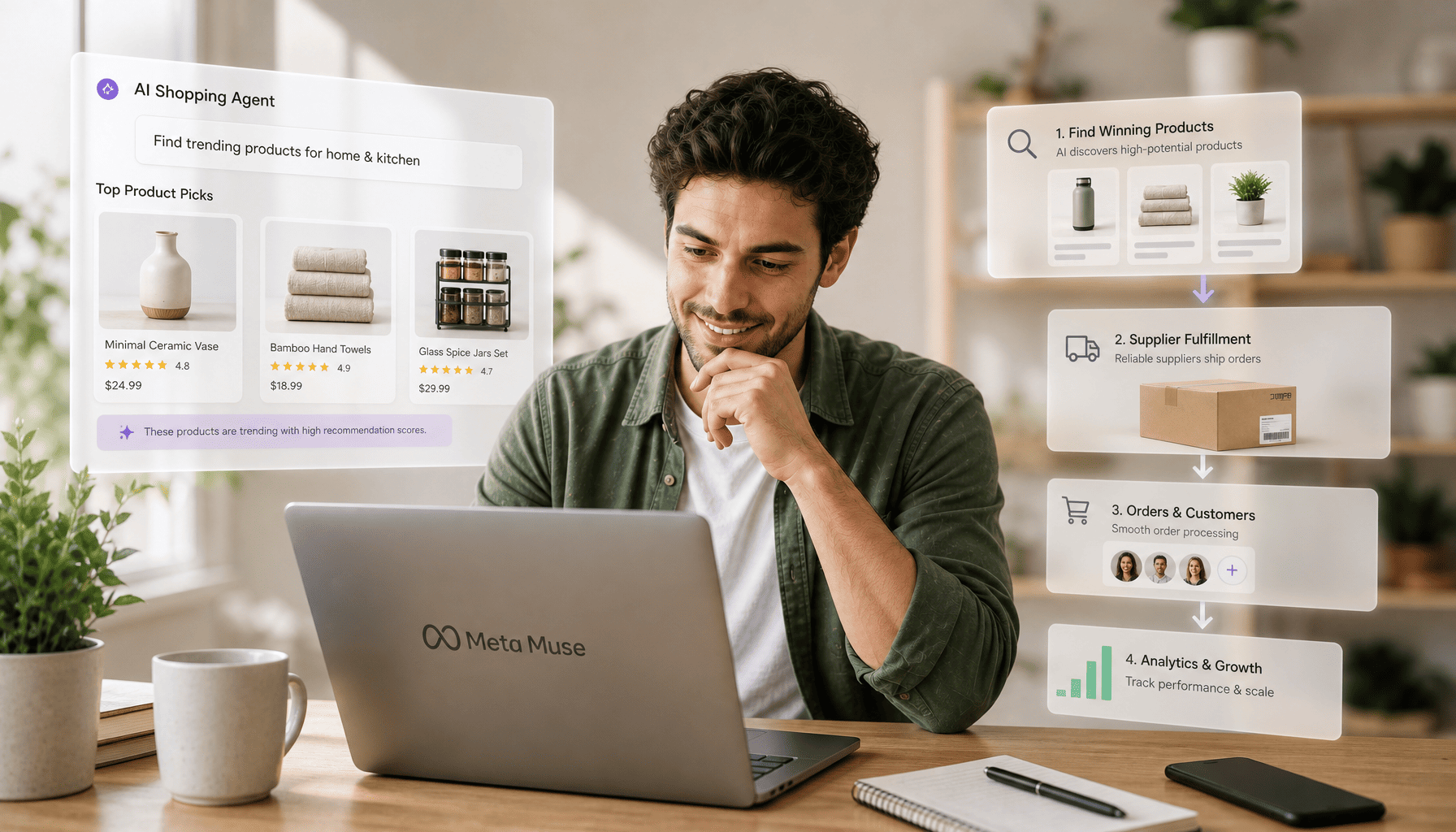
It makes sense in theory, but only if the creator’s followers actually match your product, because a big following in the wrong niche is still the wrong audience. Once you’ve found a fit, the ad itself still has to work. Our MetaAd Creator can help you produce the creative you’ll run, and the weekly report on products forFacebook ads shows which products already suit that format.
How Does the TikTok Shop Affiliate Program Work for Dropshippers?
TikTok’s equivalent runs through the TikTok Shop affiliate program. According to Shopify’s overview, sellers set commission rates between 1% and 80%, and creators promote products across videos, livestreams and their profiles.
Sellers can list products through “open collaboration”, where creators get in touch about items they’d like to promote, or use “targeted collaboration” to invite specific creators directly. That second option is handy for brands that know who their buyers follow.
Essentially, the seller gives up a share of each sale instead of paying upfront for reach. That could lower the risk for smaller Shopify and dropshipping stores testing a new product, which probably makes it the easier first test of the two.
To pick what to list, start with data. In TikTok Shop Explorer, the live reports ontop-selling products,viral products andhigh-engagement products show what’s moving on TikTok Shop, so you offer creators products they can actually sell. If you later run paid TikTok Ads alongside the affiliate deals, use the same data to choose which products to promote.
Is Buying an Established Account Worth It?
That’s the most direct form of approach, in that you’re essentially acquiring an account with an existing following in your niche.
There are various marketplaces that facilitate such purchases,Social Tradia being one, the site lists established Instagram accounts by niche, and their follower count, with buyers able to take over a topic-based audience.
The appeal is that, for example, a fitness or skincare account, which already has an engaged following, would be a compelling asset to entice attention for your new store, which would take time to build up to that level of attention through your posts.
It isn’t risk-free, though. Check each platform’s rules on account transfers, look at engagement and not just follower numbers, and make sure the audience matches the product you plan to sell. Fitness and skincare are also busy categories, so look at whichfitness products orskincare products are already winning before you pay for an account built around them.
Will Borrowed Audiences Scale My E-commerce Brand?
Yes, but only when the audience is close to the product. Creator-audience fit and engagement matter more than follower count, and in many cases micro-influencers with smaller, highly engaged audiences can outperform bigger names.
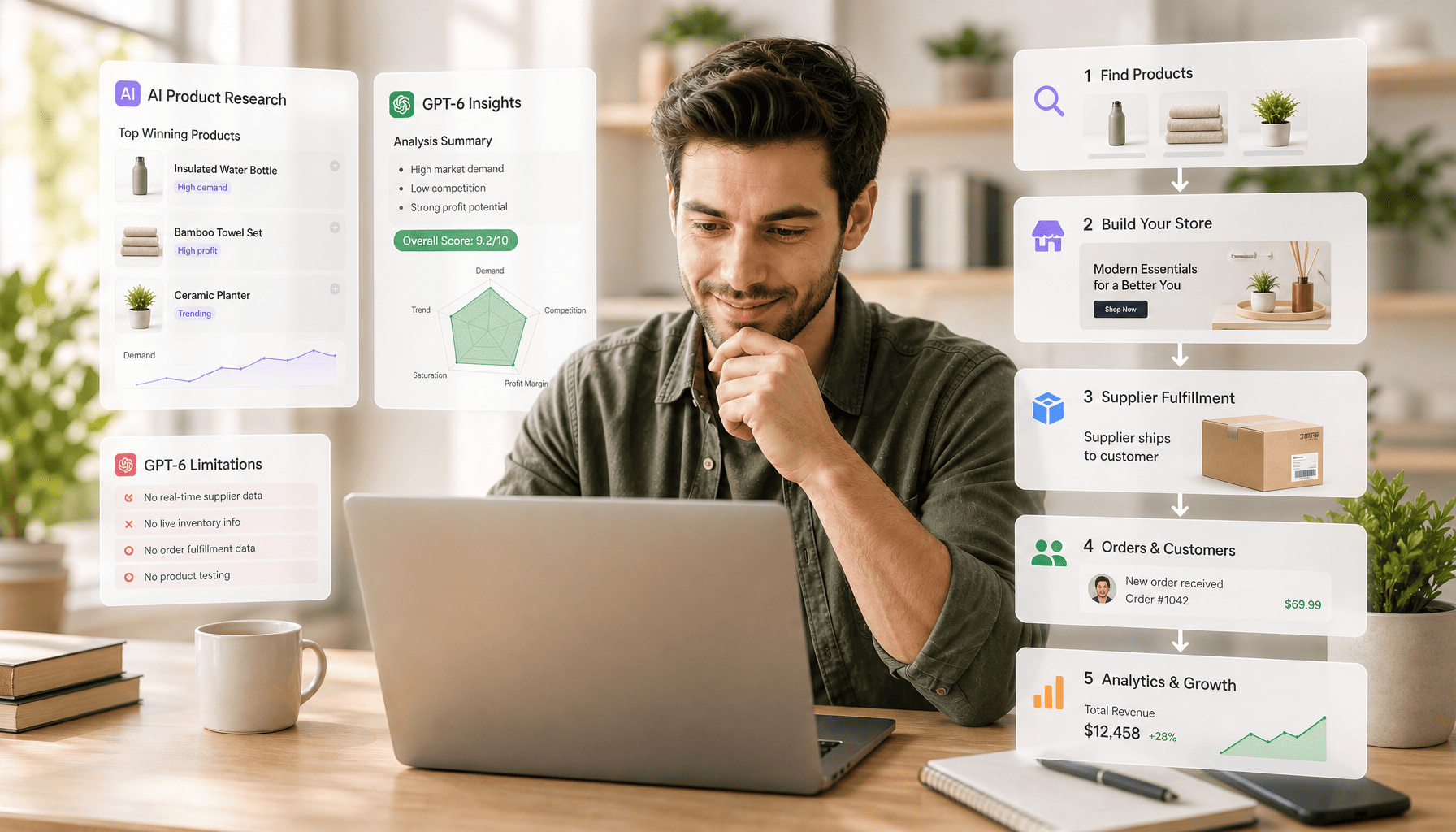
For dropshipping and Shopify sellers, established niche accounts can also help with product research. Examining comments, saves and questions on creator posts may reveal demand before you commit to supplier sourcing. You can pair that signal with data:Nexus AI is built to help you check whether a product is proven across stores, and theniches library shows which products are winning in each niche, so you can decide which audiences to approach first.
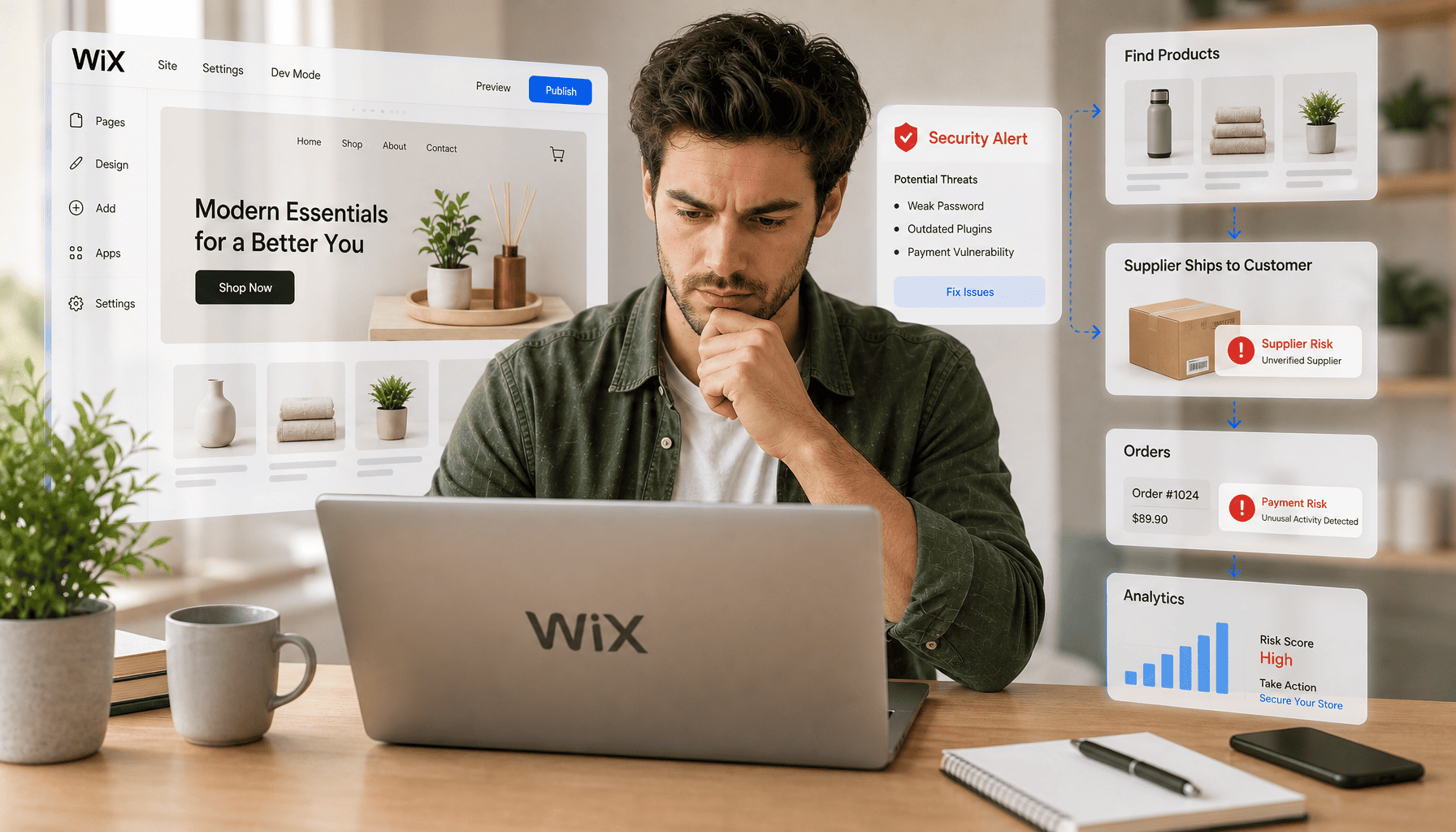
Remember that the audience will only drive the click. Your store, pricing and delivery must still deliver on the rest.
How Do You Validate a Product Before Paying a Creator?
Whichever route you choose, validate the product first. A creator deal can’t rescue a product nobody wants. A simple check:
Demand: is the product already selling? Start with thetop revenue list.
Audience fit: do the creator’s followers match the buyer?
Margin: does the price leave room for commission and ad spend? Compareprofit margins first.
Delivery: can your supplier ship fast enough to match what the creator promises? Checkfast shipping products.
No title
Pro Tip: Test one small creator partnership before committing to anything bigger. Track sales, returns and comments, then decide whether to scale.
Which Option Should You Test First?
Option
How you pay
Best for
Main risk
Partnership ads
Ad spend
Brands with proven creative
Audience mismatch
TikTok Shop affiliates
Commission per sale
Smaller stores testing a product
Low creator interest if the product isn’t proven
Buying an account
Upfront purchase
Brands that want an instant niche audience
Platform rules and engagement quality
For most new stores, the affiliate route is the easiest first test, because you only pay when something sells.
What Comes Next for Creator-Led Selling?
For niche stores, the most practical route is usually to find the creators and accounts your buyers follow, then work with them through partnership ads or affiliate deals, instead of waiting for a brand account to grow on its own. Meta and TikTok both seem to be building their commerce push around creator relationships, likely as they look to keep more shopping in the app. It looks like another step towards social apps treating established audiences as something brands can rent, not just admire from a distance.
That won’t suit every product, particularly items outside an established niche, where there may be no creator audience close enough to borrow.
Frequently Asked Questions
Do I need a large following to use partnership ads?
No. Partnership ads run from a creator’s or partner’s handle, so the creator’s audience does the work. The creator needs a professional Instagram account and must meet Meta’s eligibility rules.
What commission should I offer TikTok Shop creators?
According to Shopify’s overview, sellers set commission rates between 1% and 80%. Start with a rate that leaves room for your costs and adjust based on how products perform.
Is micro-influencer marketing better than big names?
Often it is. Micro-influencers with smaller, highly engaged audiences can outperform bigger names, because audience fit matters more than follower count.
Can I use creator posts for product research?
Yes. Comments, saves and questions on creator posts may reveal demand before you commit to supplier sourcing.
Conclusion
Either way, the brands that scale on social probably won’t be the ones with the biggest follower counts, but the ones that find the right audience early. Pick one option, validate the product, and test a small partnership before committing to anything bigger. To research products and ads in one place, start yourfree trial today.
Lisa is an eCommerce and digital marketing specialist with over 6 years of experience helping online businesses grow through data-driven strategy and hands-on execution.
She has worked across dropshipping and direct-to-consumer channels, focusing on product research and performance marketing. At Sell The Trend, she creates practical, research-backed content to help merchants make confident decisions.