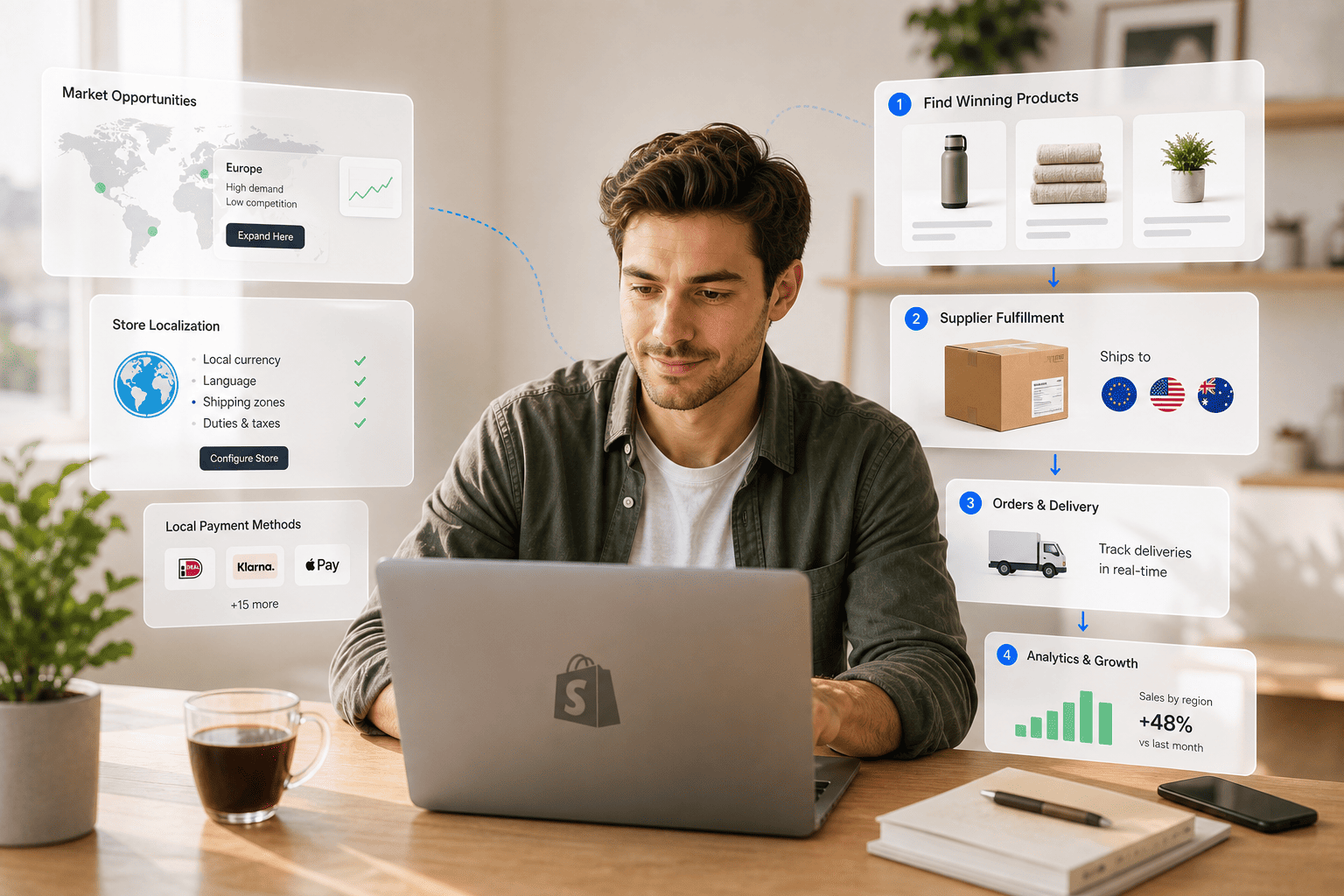
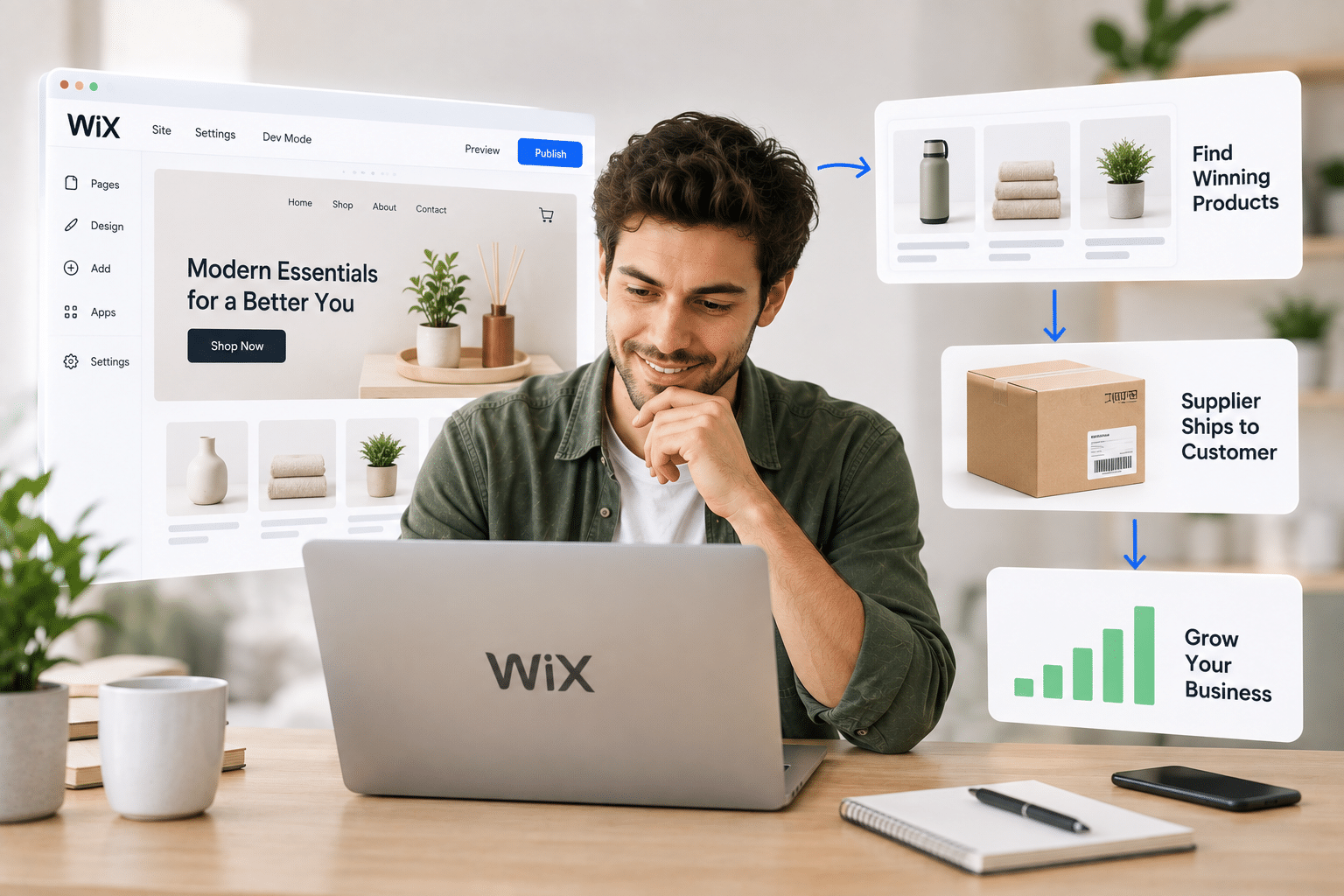
Expanding your Shopify store into new regions involves more than just enabling shipping to a new location and running ads. It requires a structured geographic expansion strategy, leveraging Dropshipping Automation Software, to manage the intricacies of shipping costs, delivery times, customer expectations, and supplier networks. A carefully crafted strategy ensures that your expansion efforts are profitable and sustainable. By deploying Store Automation Software, you can automatically analyze regional purchasing trends and match your store with local suppliers, making it much easier to scale operations across borders smoothly.
Key Takeaways
Geographic expansion should be treated as a structured growth project.
Understanding your current market’s economics is crucial before expanding.
Utilize existing data to identify geographic demand.
Create a geographic opportunity map for better decision-making.
Localize your store beyond just currency adjustments.
Test fulfillment capabilities before scaling traffic.
A strong expansion strategy helps you decide where to go first, what to test, how much to invest, and when a market has earned the right to receive more budget. The goal is not to sell everywhere at once, but rather to partner with reliable dropshipping suppliers and identify the next geographic pocket where your existing offer has a realistic chance to scale efficiently.
What Are the Economics of Your Current Store?
Before evaluating new markets, make sure you understand what makes your current market profitable. Expansion magnifies weak unit economics. If your margins are already thin, higher shipping costs or more expensive customer acquisition can quickly turn additional revenue into additional losses.
Build a Baseline: Use your current numbers to track average order value, gross margin, customer acquisition cost,conversion rate, refund and return rate,shipping cost per order, and contribution margin after advertising and fulfillment.
Product Category Analysis: Calculate these figures separately for different product categories, as their expansion potentials can vary significantly.
This baseline becomes your comparison point. A new market does not need to perform exactly like your home market, but you should know how much additional cost the business can absorb before the opportunity stops making sense.
How Can You Use Existing Data to Find Geographic Demand?
Your Shopify store, advertising accounts, and customer data can serve as a goldmine for identifying potential markets. Look for organic orders, inquiries, abandoned checkouts, and social engagements from untargeted locations. Useful signals include:
Order Volume and Revenue by Location
Conversion Rates by Region
Average Order Value and Product Mix
Shipping Costs and Delivery Times
A region with high traffic but weak fulfillment options may not be as attractive as a smaller market with healthy margins and fast delivery.
How Do You Turn Data Into a Geographic Opportunity Map?
Spreadsheets are excellent for calculations, but visualizing geographic patterns can provide clearer insights. Mapping customer and revenue data allows you to identify clusters and gaps, making geographic decisions easier. Consider usingterritory mapping software to visualize these patterns effectively.
Visual Patterns: Identify profitable customer clusters and areas with high shipping costs.
Decision Layer: Use the map to decide which regions to test and where operational costs support expansion.
This approach helps you make informed decisions about where to focus your marketing and logistics efforts.
How Should You Score Markets Before Entering Them?
Scoring potential markets helps prioritize your expansion efforts. Rank regions based on demand, margin potential, competitive intensity, shipping speed, and other relevant factors. For dropshipping stores, supplier coverage might weigh more heavily than population size.
Create a Shortlist: Focus on one to three markets that are diverse enough to provide insights yet focused enough for proper support.
How Do You Localize Beyond Just Changing Currency?
Real localization goes beyond currency adjustments. Customers need to understand and trust your offer. Review:
Product Titles and Descriptions
Sizing and Units of Measurement
Delivery Estimates and Return Policies
Ensure that your current payment methods are familiar in the target market and adjust ads to reflect local expectations.
Why Is Fulfillment Stress-Testing Crucial Before Scaling?
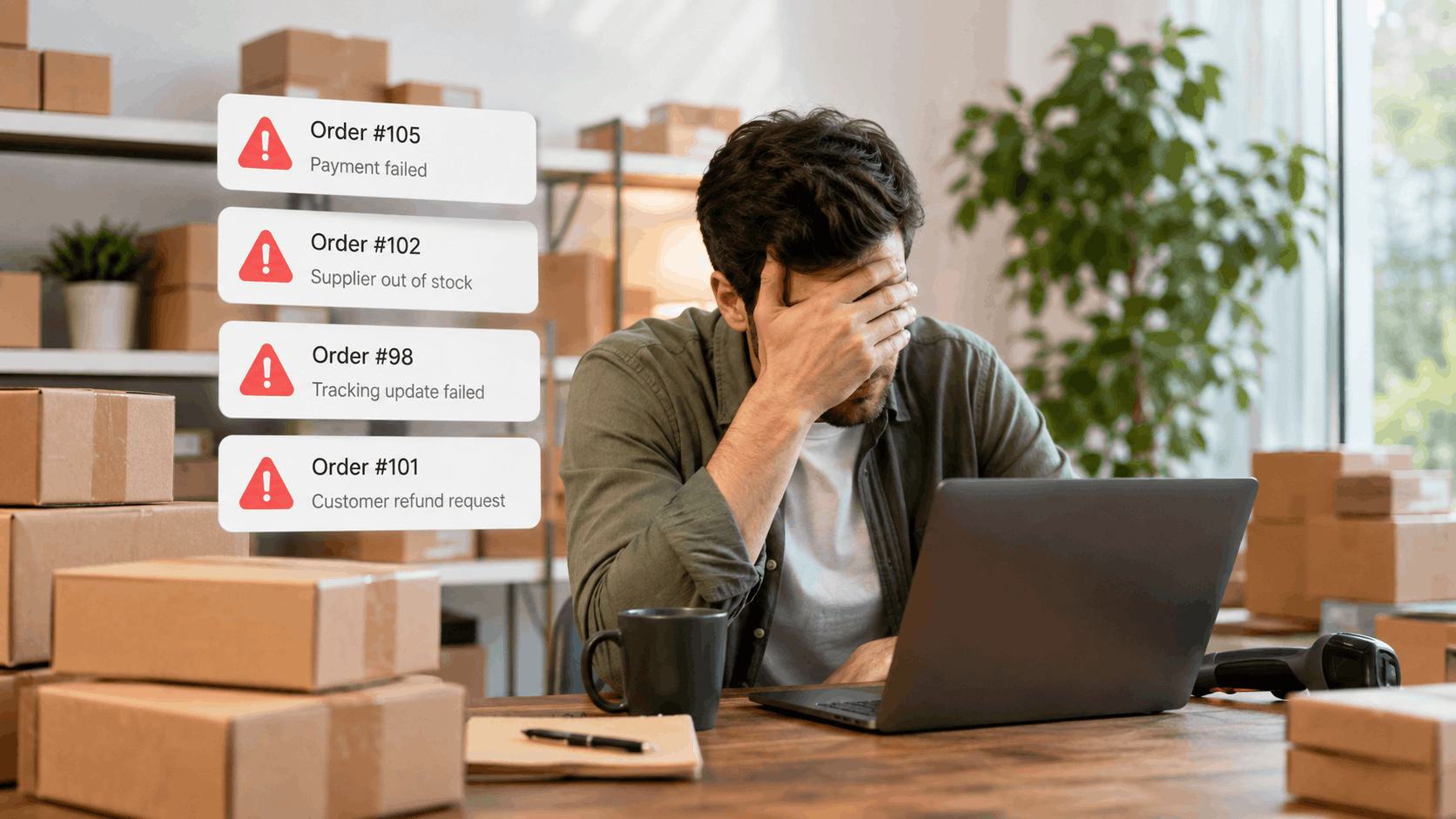
For Shopify dropshipping, fulfillment can make or break a geographic expansion. A market may look excellent in an ad dashboard but fail once customers experience slow shipping, tracking gaps, customs delays, or expensive returns.
Test Orders: Before you spend heavily on acquisition, place test orders to the target region. Measure the real delivery time rather than the supplier’s best-case estimate. Check packaging quality, tracking updates, customs handling, and the return process.
Supplier Coordination: If your supplier has multiple warehouses, decide which inventory source should serve each target market. If you use several suppliers, create clear routing rules so the customer experience does not depend on which supplier happens to receive the order.
Expansion becomes much easier when fulfillment is treated as part of marketing. Fast, predictable delivery supports conversion and repeat purchase. Unclear delivery expectations create customer-service work and refund pressure that can erase the benefit of higher sales.
What Does a Controlled Market Test Look Like?
Design a test with a defined budget, product set, audience, and time window. Your goal is to learn, not maximize revenue.
Track the Funnel: From ad clicks to refunds, monitor every step to understand market behavior.
Set Predefined Thresholds: Decide beforehand what results justify further investment.
How Can You Build Marketing Around Local Signals?
Once a region shows promise, adapt your acquisition strategy based on regional performance data. Adjust campaigns for local audiences, search terms, and time zones. Consider collaborating with local creators or affiliates.
Create Relevant Content: Address local questions and highlight shipping expectations clearly.
How Do You Rebalance Your Strategy as the Store Grows?
Geographic expansion is an ongoing process. Regularly review geographic performance and adjust your strategy to improve coverage and efficiency. For further insights, exploregeographic expansion strategies.
Regular Reviews: Compare revenue and profit by region along with acquisition costs and delivery performance.
Common Expansion Mistakes to Avoid
Avoid expanding too broadly or quickly by watching for these patterns:
Relying on Population Size Alone: Use your demand data.
Ignoring Shipping and Return Practices: Confirm logistics before running ads.
Assuming Uniform Pricing and Creative: Customize for each market.
A Practical Geographic Expansion Framework
Simplify the process into five stages: measure, map, prioritize, test, and scale. This framework applies to all ecommerce businesses, from small dropshipping stores to established brands.
Conclusion: Expand Where the Data Gives You an Edge
Geographic growth is most effective when driven by evidence. Organize your data into a market-selection process for controlled expansion. Use each launch to make smarter decisions, building a profitable geographic layer at a time.
For further assistance with geographic expansion and leveraging AI insights, try theSell The Trend Free Trial.
Frequently Asked Questions
Q: What are key metrics to track before expanding geographically?
A: Track average order value, gross margin, customer acquisition cost, conversion rates, refund rates, and shipping costs to understand how profitable your current market is before expanding.
Q: How can existing data help identify potential markets?
A: Analyze order volume, conversion rates, and shipping feasibility from untargeted locations. This can reveal regions where organic demand already exists and where there may be opportunities for growth.
Q: Why is localization important in geographic expansion?
A: Localization helps customers understand and trust your offer. This can include adjusting product descriptions, payment methods, pricing, and delivery expectations to better match local preferences.
Q: What is the role of fulfillment in geographic expansion?
A: Fulfillment directly affects customer satisfaction and retention. Testing delivery times, packaging, shipping costs, and customs handling helps ensure a consistent customer experience when entering new regions.
Lisa is an eCommerce and digital marketing specialist with over 6 years of experience helping online businesses grow through data-driven strategy and hands-on execution.
She has worked across dropshipping and direct-to-consumer channels, focusing on product research and performance marketing. At Sell The Trend, she creates practical, research-backed content to help merchants make confident decisions.