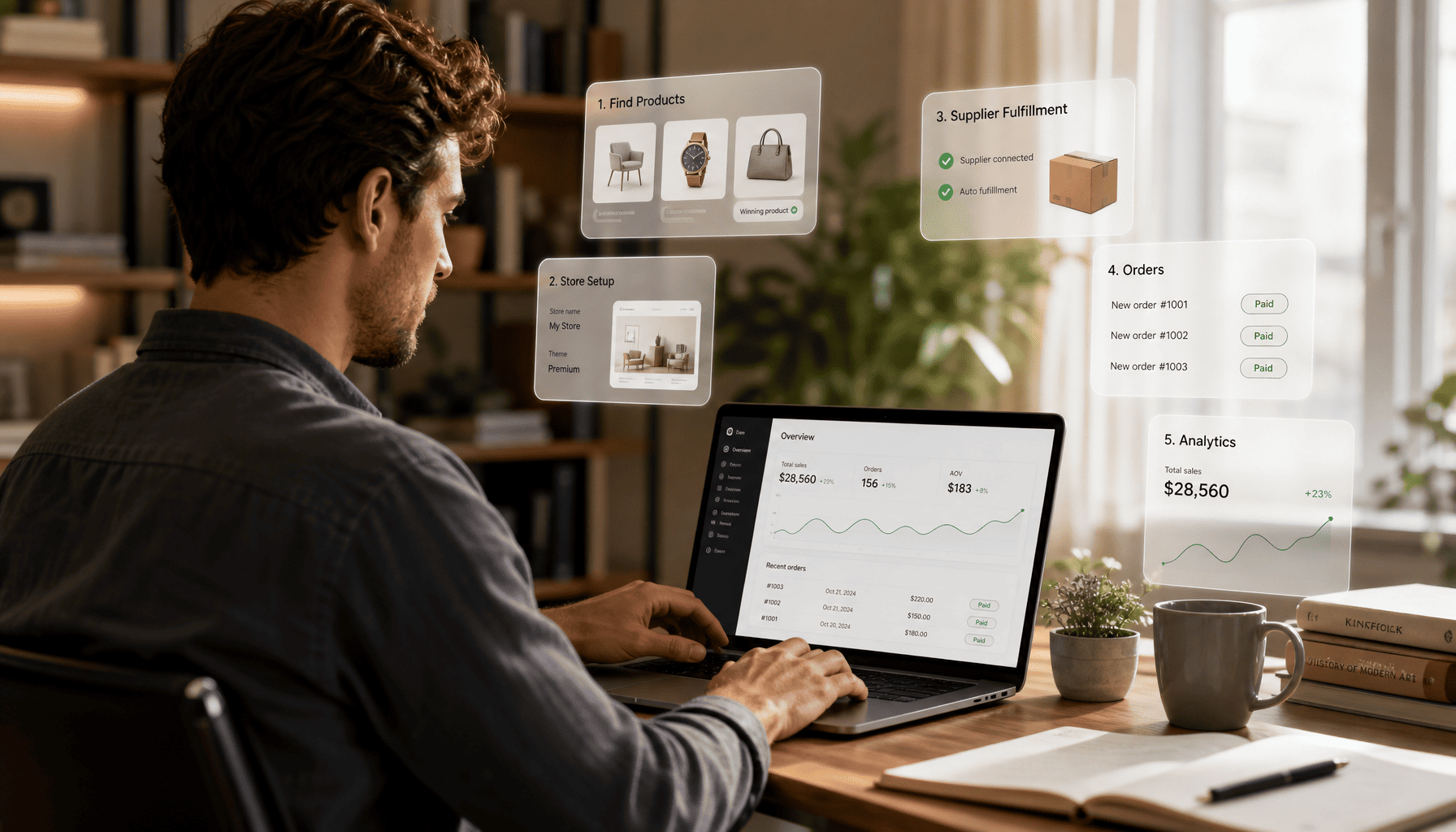
Finding reliable US and European dropshipping suppliers means moving beyond static directories and using AI to filter candidates by warehouse location, shipping speed, product ratings, pricing, and communication metrics. With Sell The Trend, merchants combine NEXUS AI product research with the AI Supplier Finder, real-time inventory syncing, and 1-click fulfillment to identify high-performing regional partners before initiating manual verification.
Because fulfillment is handled remotely, dropshipping allows you to work from anywhere with internet access. Modern AI-assisted ecommerce tools, including an AI dropshipping platform like Sell The Trend, can also shorten store setup time, but supplier reliability, inventory accuracy, and fulfillment speed remain critical when scaling a dropshipping business. However, scaling requires moving past standard directory searches and adopting AI dropshipping practices to source trustworthy suppliers without incurring high upfront inventory costs.
For merchants using the dropshipping business model, modern AI tools, including AI-powered dropshipping software like Sell The Trend, can make it easier to run an online store, start selling, and sell online across multiple regions. But before scaling a dropshipping store, remember that this business model still depends on accurate inventory and dependable fulfillment
This comprehensive guide outlines how ecommerce merchants can leverage AI dropshipping suppliers through platforms like Sell The Trend to streamline sourcing across North America and Europe. You will learn how machine learning algorithms evaluate suppliers, what criteria define reliable regional vendors, and how to combine automated discovery with human due diligence.
Key Takeaways
Automated Discovery: AI-powered discovery analyzes a large supplier database to surface relevant regional options in the US and Europe.
Data-Driven Selection: Machine learning tracks shipping speeds, catalog accuracy, and fulfillment consistency to reduce sourcing risks.
Hybrid Validation: While AI identifies top vendor candidates, human due diligence and sample testing remain essential before full integration.
Western Market Focus: Localized US and European warehouses drastically reduce delivery timelines and boost customer satisfaction compared with distant overseas options.
Seamless Workflow: Integrating AI supplier discovery with store automation enables hands-free inventory sync and automated order routing.
Using AI speeds up supplier discovery by analyzing large supplier datasets and evaluating operational criteria such as warehouse location, shipping speed, product quality, and pricing. Platforms like Sell The Trend pair NEXUS AI trend analysis with intelligent filtering so merchants can spot high-demand products and shortlist verified local suppliers before conducting manual due diligence.
What Are Manual Supplier Search Bottlenecks?
Traditional supplier research relies on static online directories, search engines, and manual outreach. Store owners spend dozens of hours searching through search engines, filtering out outdated supplier listings, and sending individual emails to evaluate minimum order quantities.
This manual approach frequently leads to inaccurate stock levels, unexpected customs delays, and unreliable third-party partners. Sourcing a viable dropshipping product through manual trial and error consumes valuable capital and slows store launch timelines.
How To Accelerate Supplier Discovery with Machine Learning?
The modern dropshipping ecosystem relies on technology integration. Modern AI tools turn raw directory data into actionable supplier intelligence, letting merchants find dropshipping suppliers in seconds rather than weeks.
No title
💡Pro Tip: By replacing manual browsing with intelligent aggregation engines, an AI-powered system automatically evaluates supplier locations, processing history, and fulfillment track records. This shift enables merchants to identify local dropshipping suppliers optimized for Western shipping expectations.
What is Predictive Trend Spotting and Social Signal Analysis?
Sourcing the right catalog requires understanding broader market trends and real-time consumer demand. Advanced AI models crawl social platforms to evaluate order volumes and engagement velocity across digital storefronts and social feeds.
Through continuous data analysis, AI algorithms scan data points to spot trending products before market saturation occurs. By identifying these high-demand products early, merchants can source verified suppliers before consumer interest peaks.
These AI tools help merchants compare trending products against real demand signals instead of relying on guesswork.
What is Algorithmic Data Processing in Modern Ecommerce?
Evaluating catalog viability requires monitoring shifts in search engines and consumer purchasing habits. AI can predict trends and recommend products to stock based on structured commercial data.
By implementing dedicated AI Dropshipping strategies, merchants gain full visibility into active inventory channels. AI-driven platforms handle data analysis, logistics, and content creation in dropshipping, reducing manual administrative burdens while identifying trending products and trending dropshipping products.
What Should You Look for in a Reliable US or European Supplier Before You Start Dropshipping?
Evaluating US and European dropshipping suppliers requires verifying physical warehouse locations, delivery speed, pricing structures, and communication channels before you start dropshipping. Merchants should prioritize vendors that offer predictable, fast shipping, strict product-quality standards, clear return policies, and realistic wholesale pricing to protect profit margins and boost customer satisfaction across Western markets.
Sell The Trend streamlines supplier selection by ranking international, US, and European suppliers according to verified product ratings, base pricing, delivery speed, and customer service metrics. Store owners can use the following scorecard framework when evaluating potential sourcing partners:
Evaluation Criterion
What to Check & Audit
Sell The Trend Intelligence Signal
Warehouse Location
Local US, European, or international target region
Regional supplier and warehouse filters
Shipping Speed & Cost
Estimated transit times and baseline carrier fees
Shipping times and costs displayed
Product Quality
Verified product ratings and physical defect rates
Product and supplier rating data
Pricing & Margins
Base product cost vs. target retail margin
Product pricing and margin evaluation
Communication Quality
Supplier response time and customer-service rating
Supplier customer-service/communication ratings
Inventory Reliability
Real-time stock sync capability to prevent backorders
Real-time inventory synchronization
Manual Validation
Physical sample order quality, return terms, tracking accuracy
Merchant-led sample and policy verification
What is Warehouse Location and Delivery Velocity?
When evaluating dropshipping suppliers in the USA or European dropshipping suppliers, local warehouse proximity is one of the most important factors affecting delivery speed and customer satisfaction. Fast shipping improves customer satisfaction and repeat purchases, giving domestic merchants a major competitive edge over overseas fulfillment channels.
Selecting trusted suppliers with established domestic hubs ensures predictable shipping times across North America and Europe. When domestic suppliers ship directly from regional warehouses, orders bypass international customs clearance, drastically improving overall delivery velocity.
How to Verify Consistent Product Quality and Standards?
Partnering with a reliable supplier requires strict auditing of physical merchandise before running paid traffic campaigns. Consistently delivering high-quality products builds long-term brand equity and reduces costly chargebacks.
No title
💡Pro Tip: AI platforms help evaluate manufacturer metrics, but merchants must independently confirm product quality and structural integrity. Working with verified premium suppliers minimizes defect rates and protects the overall customer experience across every fulfillment batch.
What About Margin Protection and Realistic Pricing Structures?
Sourcing products at favorable baseline rates lets store owners set retail prices with enough margin, typically a 2x to 4x multiplier over product cost, to cover digital ad spend, customer support, and fulfillment overhead.
Securing favorable wholesale terms from trusted suppliers keeps pricing competitive without sacrificing profitability. Comparing base product costs with regional market averages helps prevent margin compression as you scale ad campaigns.
Discounted prices can improve margins, but only when shipping, returns, and support costs remain predictable.
How to Check Supplier Communication Channels and Support Metrics?
Effective communication with suppliers prevents misunderstandings regarding stock outages, order delays, and tracking updates. Transparent vendor communication is essential when managing sudden spikes in order volume.
A high-performing vendor must provide responsive customer support and dedicated account reps. Ensuring suppliers ship orders promptly and follow transparent resolution protocols directly boosts customer satisfaction across your storefront.
How Can AI Find Suppliers That Match Your Products and Market?
AI matches products to target markets by analyzing item specifications, dimensions, niche demographics, and regional trade regulations. Sourcing engines instantly isolate local and domestic suppliers with established fulfillment centers in North America or Europe, ensuring stable stock levels, optimized pricing strategies, and automated SEO copy creation tailored to specific sales channels.
How can AI Connect Product Attributes to Target Demographics?
Sell The Trend uses NEXUS AI to evaluate product opportunities and audience-targeting tools to identify relevant customer segments. Merchants can then compare supplier options by pricing, location, shipping speed, and supplier ratings.
No title
💡Pro Tip: When planning to sell products across specialized niches, matching product specifications with qualified manufacturers is essential. A precise product search lets merchants filter suppliers by past fulfillment performance, ensuring prospective product offerings match exact customer expectations.
How can AI Align Regional Fit Across US and European Boundaries?
Targeting Western markets requires evaluating warehouse proximity alongside domestic trade regulations. Using domestic and regional suppliers lets an online store avoid long international transit delays and build a sustainable brand image.
Connecting your dropshipping store across top ecommerce platforms requires sourcing from regional facilities. Rather than importing products from unverified overseas sources, establishing a reliable domestic inventory source ensures regional suppliers maintain stable stock levels close to your end customers.
What About Automated Pricing Optimization and Copywriting?
Maintaining healthy profit margins requires constant price monitoring across competitive digital landscapes. Sell The Trend provides AI-powered pricing recommendations and displays product pricing, shipping times, and shipping costs so merchants can evaluate margins before publishing a listing.
Beyond margin evaluation, Sell The Trend streamlines store launch workflows using the AI Brand Builder, which generates SEO-optimized titles and optimized product descriptions designed to support conversions and increase sales. This feature ensures every product listing imported from verified suppliers is formatted to maximize conversions across major sales channels.
How to Use Sell The Trend’s AI Supplier Finder?
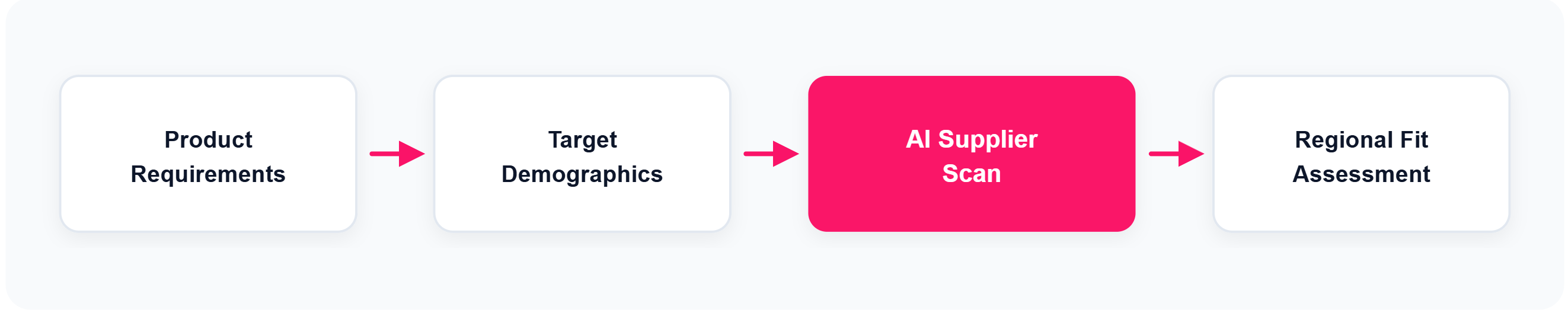
Sell The Trend’s AI Supplier Finder works best as a six-stage sourcing process: choose a product, define where you want to sell it, discover available sourcing options, compare regional fit, validate the strongest candidate, and then connect that choice to fulfillment. We tested the process with the same facial steamer for the United States and Germany.
Step 1: How Do You Choose a Product for Supplier Discovery?
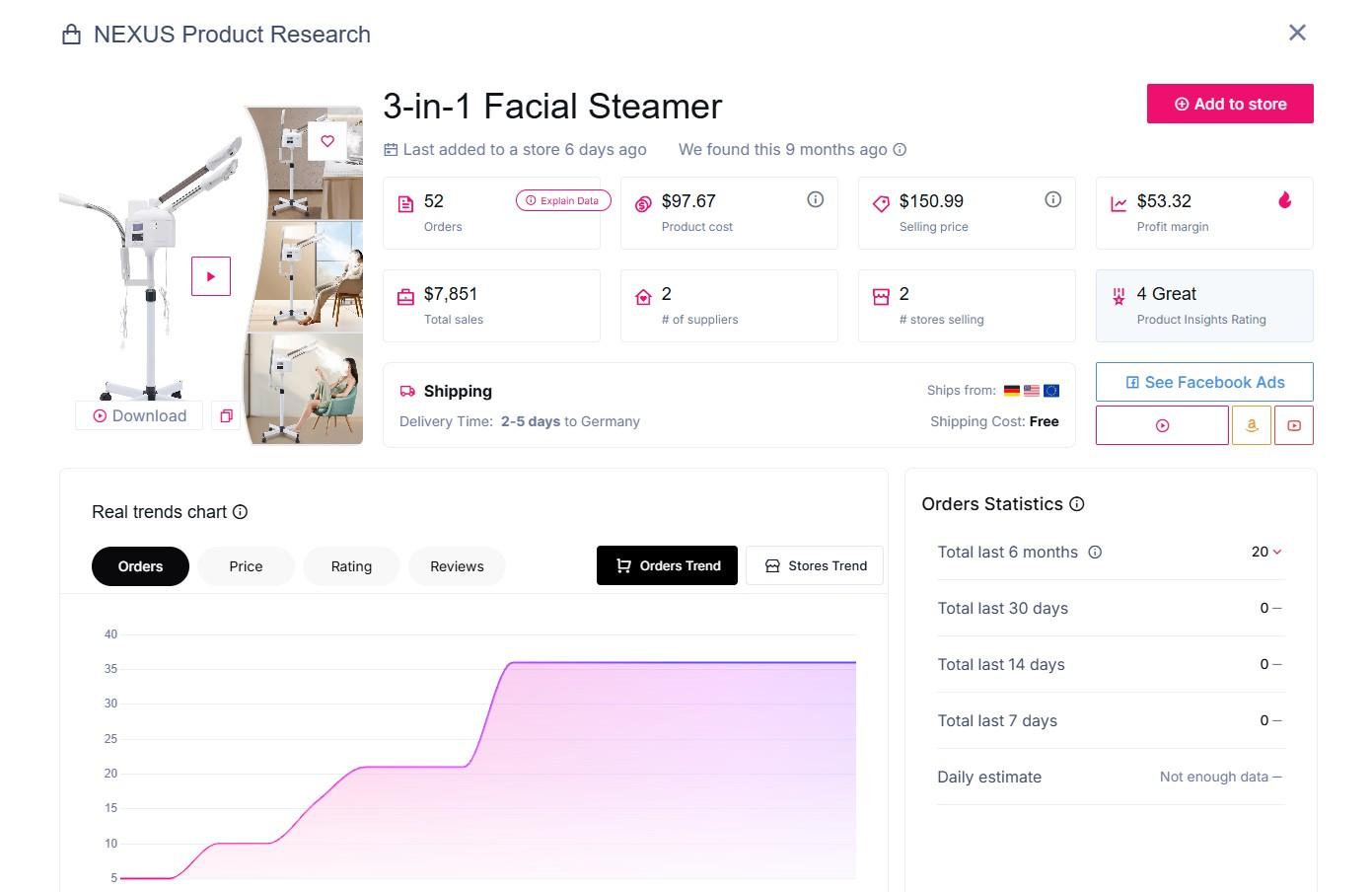
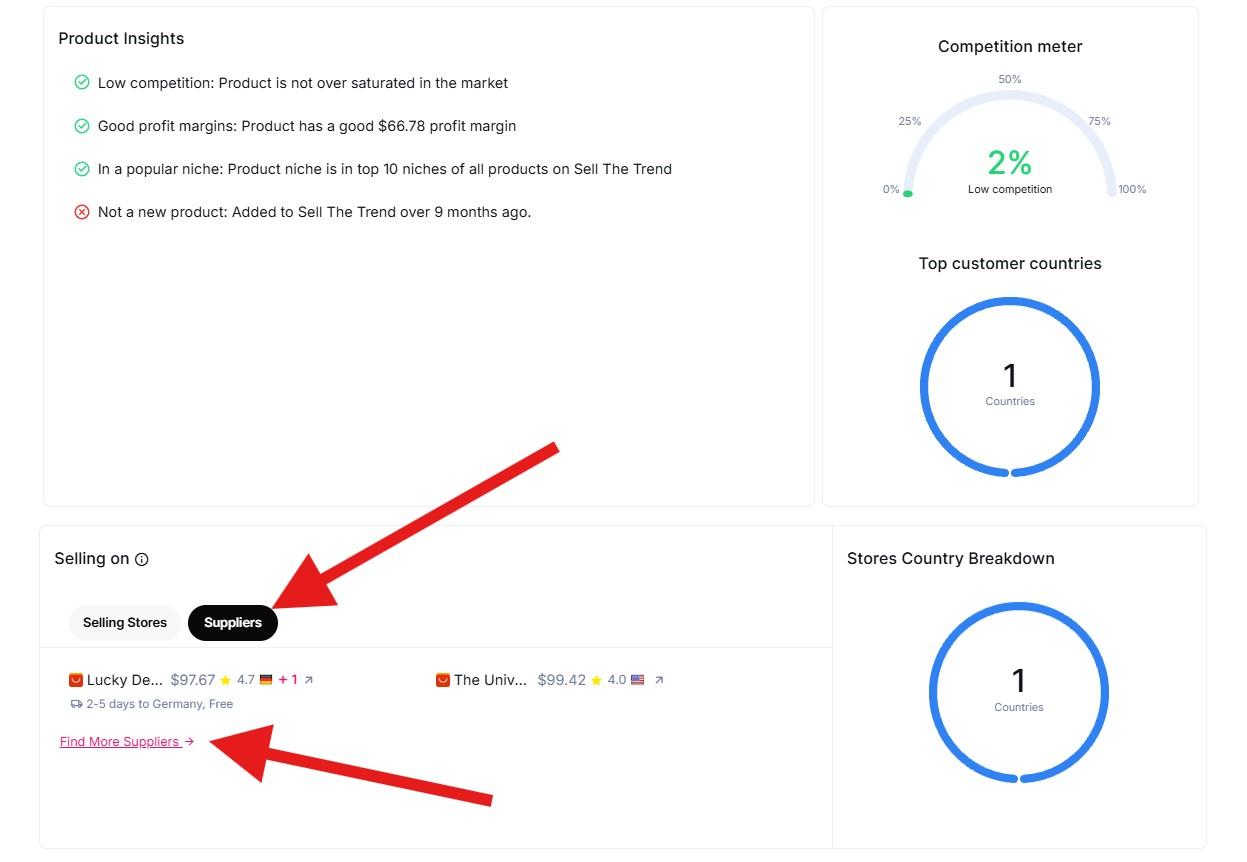
Start with a specific dropshipping product that has sourcing options in more than one target region. For this test, we used the 3-in-1 Facial Steamer shown in NEXUS Product Research.
The product page showed 52 orders, a displayed product cost of $97.67, a selling price of $150.99, and two primary supplier options. Most importantly for this test, Sell The Trend showed that the product could ship from Germany, the United States, and the EU, making it possible to compare the same item across US and European markets.
Step 2: How Does the Target Market Change the Supplier Search?
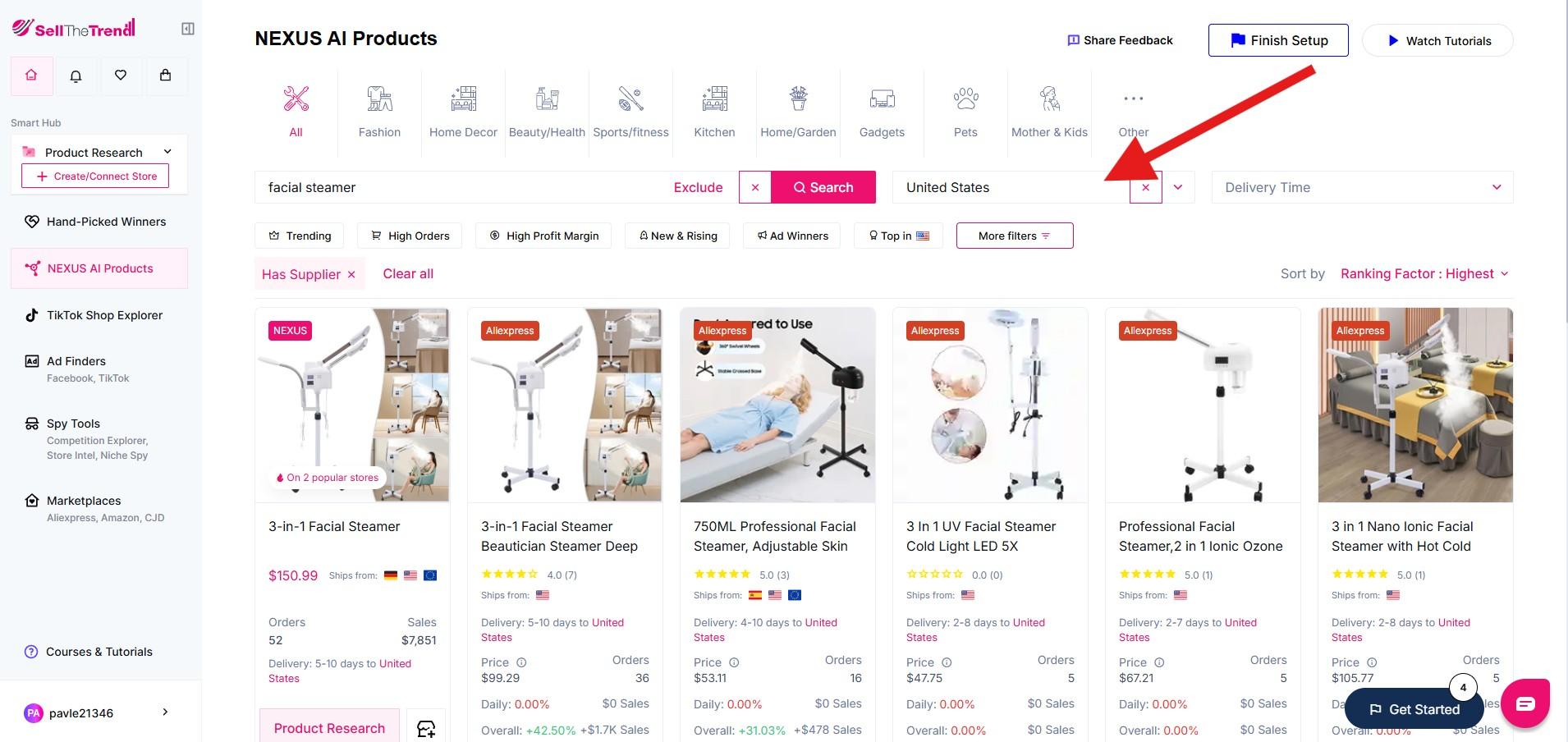
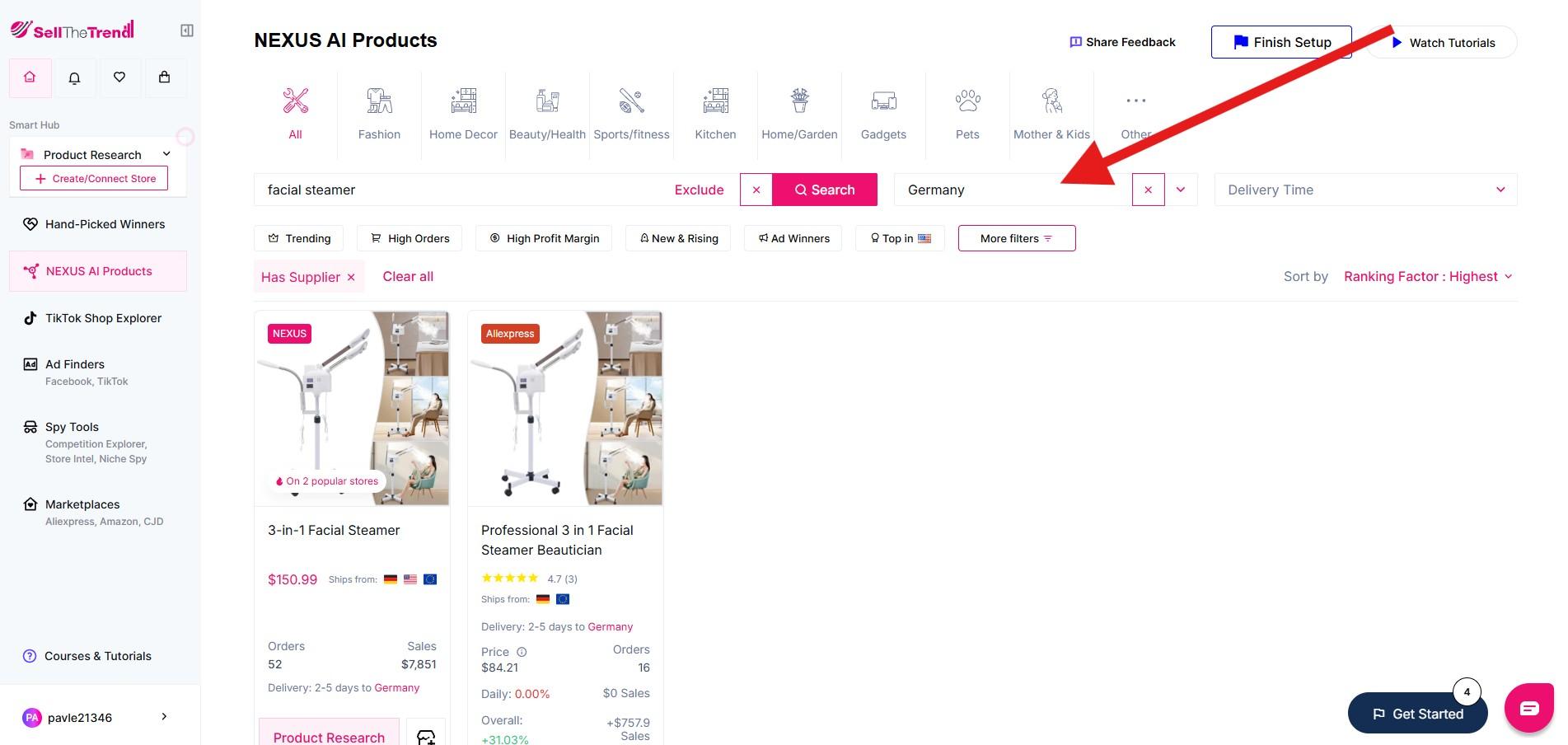
Next, run the same product search with the destination market changed. We first selected Germany as the European target market and then repeated the search with the United States selected.
The difference appeared immediately. For Germany, Sell The Trend displayed an estimated delivery time of 2–5 days for the 3-in-1 Facial Steamer. With the United States selected, the same product showed an estimated delivery time of 5–10 days.
This is why you should choose the target market before deciding which sourcing option is best. A product may be available in several regions, but its shipping times can change significantly depending on where the customer is located.
Step 3: What Did the AI Supplier Finder Show for This Product?
After opening the product’s supplier information, Sell The Trend showed two regional sourcing options: Lucky Department Store (Trader) and The Universal Store (Trader).
Target market
Supplier option
Ships-from location shown
Supplier price shown
Rating shown
Delivery information shown
Germany
Lucky Department Store (Trader)
Germany
$97.67
4.7
2–5 days to Germany, free shipping
United States
The Universal Store (Trader)
United States
$99.42
4.0
The same product showed 5–10 days to the US in the US-targeted product search
The price difference between the two displayed sourcing options was only $1.75, so price alone wasn’t enough to choose between them. Warehouse region, shipping speed, shipping cost, rating, and the final customer experience all matter when comparing dropshipping suppliers.
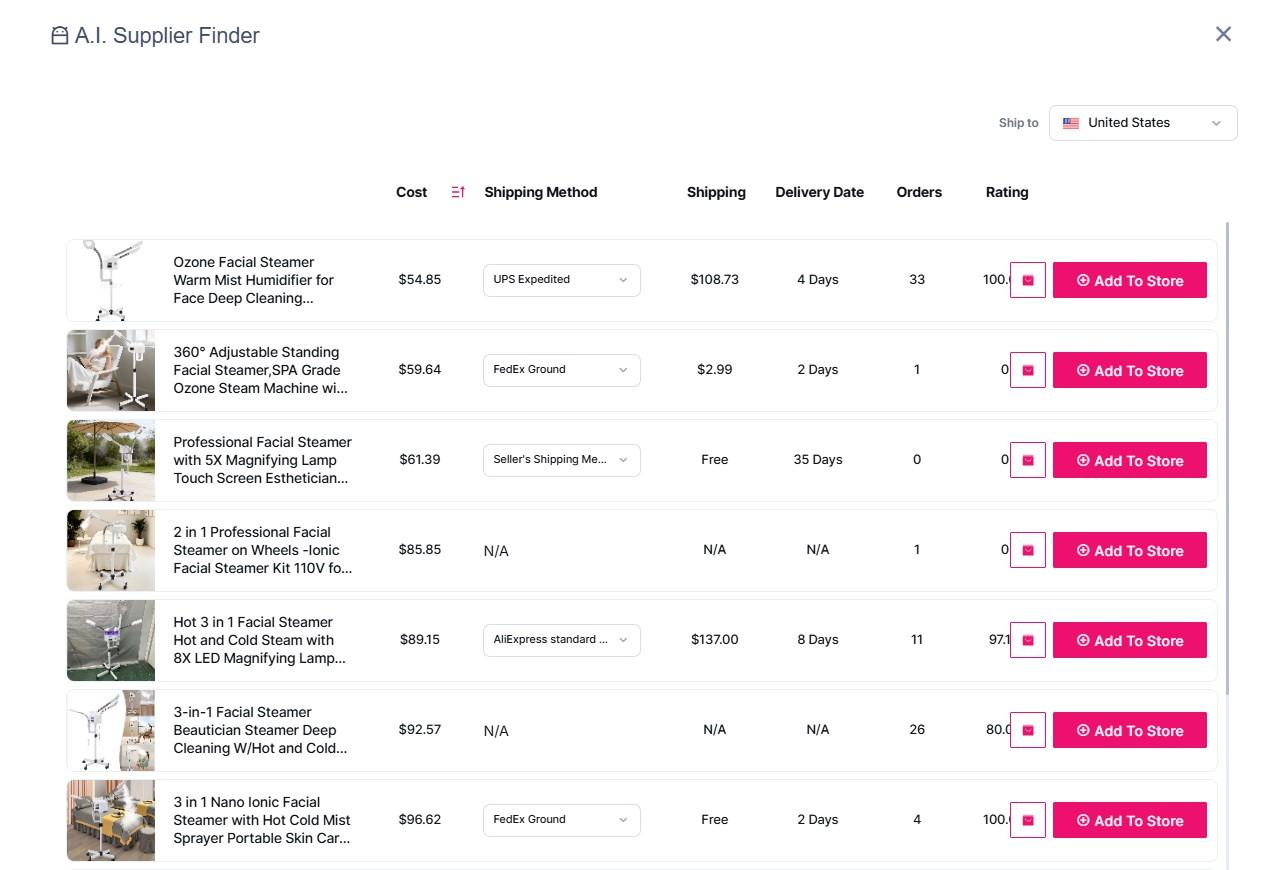
The broader AI Supplier Finder results also showed why merchants should look beyond the lowest product price. In the US-targeted search, one facial-steamer listing cost $54.85 but paired that price with $108.73 UPS Expedited shipping and a four-day delivery estimate. Another cost $59.64 with $2.99 FedEx Ground shipping and a two-day estimate, while a $96.62 option displayed free FedEx Ground shipping with a two-day estimate.
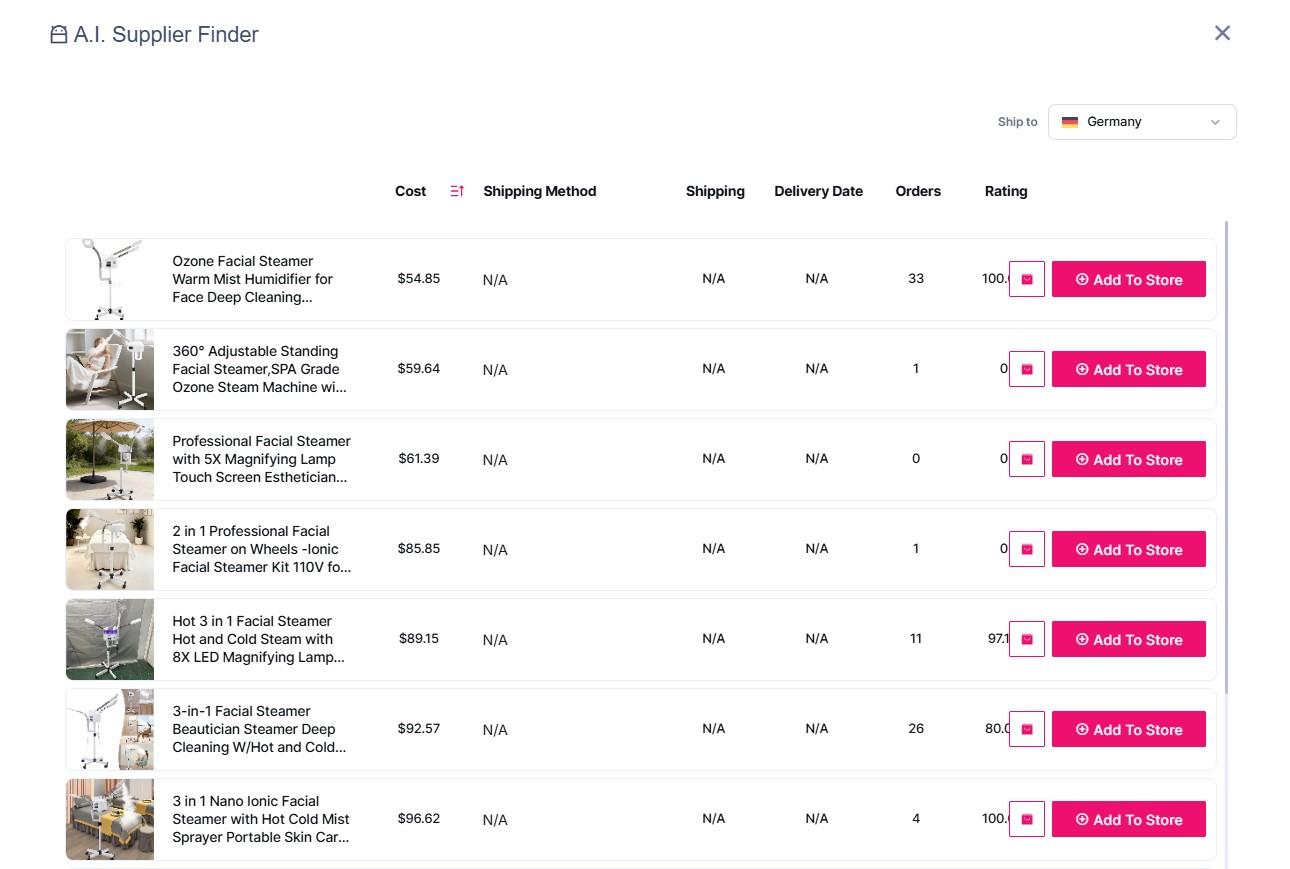
For the Germany-targeted search, several visible alternative listings showed N/A for shipping method, shipping cost, and delivery date. That missing information is important: an AI result can help narrow the search, but a merchant should not treat incomplete fulfillment data as confirmation that a candidate is ready for the store.
Step 4: How Do You Decide Which Supplier Has the Best Regional Fit?
For a store selling primarily to German customers, Lucky Department Store (Trader) is the stronger starting candidate from the data shown. It ships from Germany, has a lower displayed supplier price of $97.67, carries a 4.7 rating, and offers free shipping with a 2–5 day delivery estimate to Germany.
For a US-focused store, The Universal Store (Trader) has the regional advantage because the interface identifies it as a US ships-from option. However, the product-level search showed a longer 5–10 day estimate to the United States, and the supplier panel did not show the same level of shipping-cost detail as the German option.
That means the US choice requires another check before importing the product. A merchant focused on fast shipping should confirm the exact carrier, final shipping charge, and delivery estimate rather than assuming that a domestic inventory source is automatically the best option.
This comparison shows the purpose of regional fit: the best dropshipping supplier is not necessarily the one with the lowest unit cost. The better choice is the option that provides the most workable combination of location, total landed cost, shipping time, item quality, and reliability for the customers being served.
Step 5: How Should You Validate the Supplier Before Selling?
AI supplier discovery creates a shortlist; it does not replace due diligence. Before adding the product to an online store, merchants should confirm the shipping information shown in the platform, review supplier ratings and return terms, and place a sample order whenever practical.
A sample order is especially useful because it lets the merchant compare advertised shipping times with actual delivery performance and inspect the facial steamer’s product quality, packaging, tracking updates, and overall fulfillment experience.
For any result showing incomplete information, such as the N/A shipping fields visible in the Germany AI Supplier Finder search, validation becomes even more important. Don’t assume delivery speed or cost when the platform hasn’t displayed those figures.
Step 6: How Do You Move From Supplier Selection to Fulfillment?
Once a candidate passes validation, merchants can import products into a dropshipping store and connect them to inventory synchronization and 1-click fulfillment. The online store can then keep stock information aligned with the selected sourcing option.
When an order appears in Sell The Trend, you can forward it to the appropriate supplier with one click. Inventory data stays synchronized with available supplier stock, while shipping and tracking information can be passed to the customer after fulfillment.
The full process is therefore:
Product → Target Market → AI Supplier Discovery → Regional Fit → Supplier Validation → Fulfillment
The facial-steamer example shows why each stage matters. Germany produced a clearly documented regional option with free 2–5 day delivery, while the US search presented a different combination of regional sourcing and fulfillment data. Defining the market first makes it easier to judge which supplier actually fits the dropshipping business rather than choosing on price alone.
👉 Compare regional sourcing options with Sell The Trend’s AI Supplier Finder and test the workflow with your own product. Start your 14-day free trial now!
How Do You Validate an AI-Recommended Supplier?
Validating AI-recommended suppliers requires auditing processing speeds, testing real-time inventory sync integrations, placing physical sample orders, and reviewing legal return agreements. While AI accelerates vendor candidate discovery, hands-on verification ensures suppliers consistently meet shipping windows, avoid backorders, maintain packaging standards, and deliver high-quality products to your end customers.
AI tools are not a secret weapon: they narrow the shortlist, but merchants still need sample orders, policy checks, and fulfillment testing.
What is Auditing Fulfillment Accuracy and Shipping Expectations?
While machine learning accelerates initial vendor discovery, manual auditing remains vital before full store integration. Merchants must independently verify processing delays, carrier choices, and tracking accuracy across any third-party supplier candidate.
Relying on multiple suppliers provides operational redundancy, but each partner must undergo strict fulfillment evaluation. Automating order processing reduces fulfillment errors, but verifying carrier performance ensures suppliers ship goods reliably within advertised window limits.
How to Test Real-Time Inventory Sync Capabilities?
Stockouts and backorders damage brand reputation and result in customer disputes. Evaluating candidate software integrations confirms whether stock levels update dynamically across active sales channels.
Real-time inventory syncing minimizes human error in dropshipping, ensuring store stock reflects true warehouse availability. AI-driven tools can improve inventory management accuracy, preventing merchants from accepting orders for items that partner suppliers no longer hold in stock.
How to Conduct Trial Sample Orders for Quality Assurance?
Placing physical sample orders is an indispensable step when onboarding new vendor partners. Receiving items firsthand lets merchants evaluate packaging durability, unboxing presentation, and product quality directly.
Sample testing offers direct insight into the total customer experience your buyers will encounter. Confirming real-world shipping times and unboxing aesthetics helps ensure high customer satisfaction when a customer places an order on your site.
How to Evaluate Return Policies and Supplier Agreements?
Before committing to long-term partner relationships, store owners must carefully review vendor return terms, damage protocols, and refund windows. Clear legal and operational agreements protect your store against inventory disputes and shipping losses.
Setting clear expectations for replacement items and restocking fees keeps operations predictable. Monitoring vendor support responses lets merchants track performance over time, ensuring partner suppliers consistently uphold agreed service standards.
US vs. European Dropshipping Suppliers: What Changes?
Sourcing across US versus European suppliers changes transit logistics, tax compliance, payment currencies, and return protocols. While US fulfillment focuses on interstate ground shipping, European dropshipping requires navigating cross-border EU transit, value-added tax (VAT) regulations, and local-currency checkouts, demanding dynamic pricing rules to protect profit margins across regional markets. Sourcing is only half the operation. Sellers who also move stock through markets, pop-ups or a physical counter need card acceptance on that side as well, which in Australia usually means a terminal such as Shift4 EFTPOS running alongside the online store.
Before you sell online across Europe, review the dropshipping legal requirements for VAT, consumer rights, returns, and cross-border trade.
Store owners scaling across North America and Europe must adjust their fulfillment strategy to match regional operational differences:
Sourcing Factor
United States Market
European Market
Supplier Location
US warehouses
EU and European warehouses
Shipping Logistics
Primarily domestic ground transit when stocked locally
Domestic and cross-border European shipping
Currency Framework
Mainly USD
Multiple currencies (EUR, GBP, etc.)
Tax Considerations
State and local sales-tax requirements vary by jurisdiction
Value-Added Tax (VAT) and country/EU import rules
Return Protocols
Merchant/supplier policy plus applicable statutory law
Consumer-rights requirements vary by specific market
Key Sourcing Priority
Local warehouse proximity
Warehouse proximity plus cross-border transit rules
Why Consider Warehouse Proximity and Cross-Border Transit Logistics?
Operating across North American and European e-commerce markets presents distinct operational challenges for digital storefronts. Localized fulfillment infrastructure directly impacts shipping velocity, tax liabilities, and customer conversion rates across Western demographics.
Using suppliers with inventory stored closer to US customers can reduce transit times and avoid many international-shipping delays. In contrast, working with local suppliers within Europe requires navigating cross-border transit between European Union member nations.
No title
💡Pro Tip: Sourcing from trusted dropshipping suppliers ensures predictable fast shipping schedules without unexpected customs delays. When domestic suppliers ship directly from local fulfillment centers, predictable shipping times build long-term buyer trust.
Why Consider Multi-Currency Transactions and Regional Tax Rules?
If you want to start selling across European territories, you’ll need to manage multi-currency checkout models and dynamic currency conversions. European online shoppers expect to pay in their own currency, so localized payment gateways are necessary to optimize international conversion.
Expanding into European regions requires adhering to value-added tax (VAT) compliance and cross-border trade tariffs. Maintaining healthy profit margins across international borders requires tracking shipments, real-time exchange rates, and import fees to keep your pricing architecture profitable as sales scale across target regions.
How to Manage Return Logistics and Customer Support Expectations?
Reverse logistics and customer protection regulations differ significantly between US and European commercial frameworks. European legal guidelines enforce consumer cancellation rights and structured return windows, so clear return protocols and accessible regional return options are critical to managing customer expectations and maintaining compliance.
Clear return protocols and responsive customer support reduce chargebacks and resolve fulfillment issues quickly. Designated regional return hubs streamline inspection procedures and protect your brand image when handling international orders.
How to Safeguard Margins with Dynamic Pricing Rules?
Fluctuating carrier surcharges, fuel costs, and foreign currency movements can quickly erode base product margins. Dynamic pricing rules protect profit margins by automatically adjusting retail prices whenever baseline supplier costs or currency rates shift.
Automated repricing workflows let store owners protect bottom-line margins dynamically. This price flexibility enables merchants to maximize profits automatically while sourcing from domestic and international suppliers.
How to Go From Supplier Discovery to an Automated Dropshipping Workflow?
Moving from supplier discovery to a reliable fulfillment setup means knowing which Shopify dropshipping suppliers are actually worth vetting before you commit.. This automated setup supports real-time inventory synchronization, streamlined order processing, multi-channel stock management, and tracking updates, reducing repetitive administrative work from order placement through fulfillment.
What is API Integration for Seamless Warehouse Communication?
Validating reliable vendors is only the first phase of building an e-commerce brand; connecting supplier inventory feeds directly into an automated operating environment unlocks true business scalability. Modern storefront integrations connect catalog discovery with real-time backend execution.
APIs connect storefronts to supplier warehouses for real-time inventory syncing, eliminating manual spreadsheet uploads. Specialized dropshipping automation software lets product catalogs integrate seamlessly with major sales platforms or custom storefronts via a dedicated WordPress plugin. This direct connection makes it simple to manage inventory dynamically without administrative oversight.
Modern AI tools can connect an ecommerce store with major ecommerce platforms and backend inventory workflows.
What is Hands-Free Order Routing and Automated Fulfillment?
Automated fulfillment reduces repetitive work in dropshipping operations, allowing store owners to focus on marketing and brand development. When a customer completes a purchase, store automation tools streamline fulfillment by letting merchants forward order details directly to suppliers with 1-click fulfillment. Using 1-click fulfillment with store automation ensures orders reach supplier processing queues quickly while minimizing manual data-entry errors.
No title
💡Pro Tip: Connecting your store to modern store automation tools streamlines order processing and helps you run your online business efficiently. 1-click fulfillment helps merchants send customer orders to the appropriate supplier while reducing repetitive manual data entry.
What is Multi-Channel Inventory Management and Stock Syncing?
Accurate stock levels across multiple sales channels require unified inventory management software. Specialized AI tools automate marketing and inventory management tasks, instantly adjusting stock numbers across every active ecommerce store.
When stock levels fluctuate at fulfillment hubs, automated order management software dynamically updates active product listings. This real-time synchronization prevents store owners from accepting orders for out-of-stock items across connected suppliers.
How Can You Automate Shipping Updates and Order Tracking?
Sell The Trend can connect supplier fulfillment with store operations so shipping and tracking information can be delivered to customers after an order is processed. Combined with inventory synchronization and 1-click fulfillment, this reduces repetitive order-management work. Automating the pipeline from supplier discovery to order tracking establishes a reliable operational system backed by verified suppliers.
Who are the Top Six AI Dropshipping Suppliers?
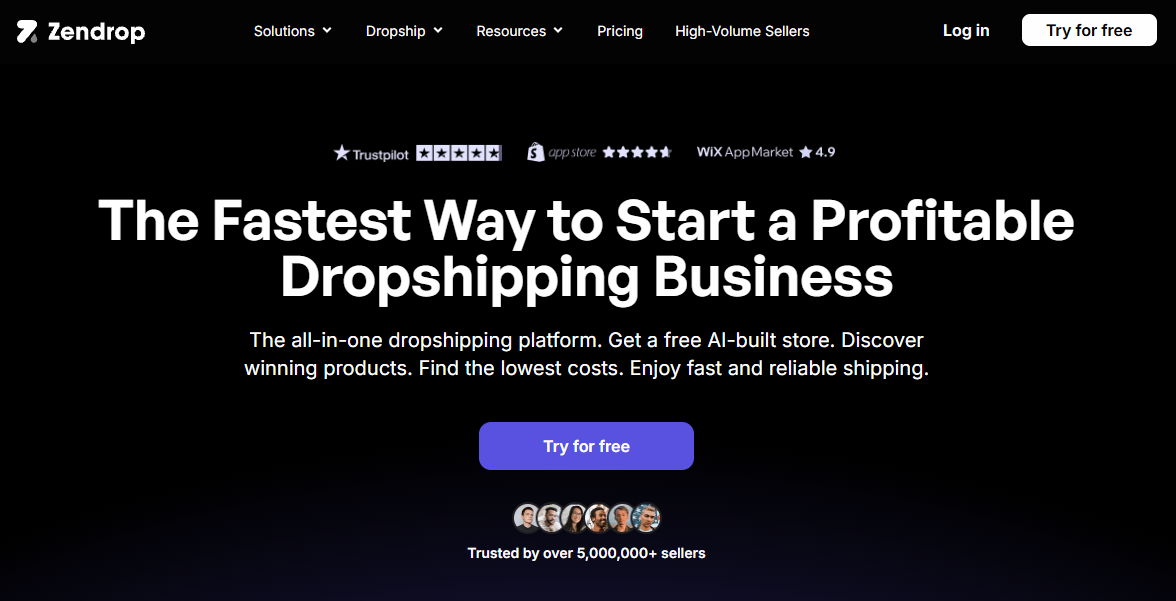
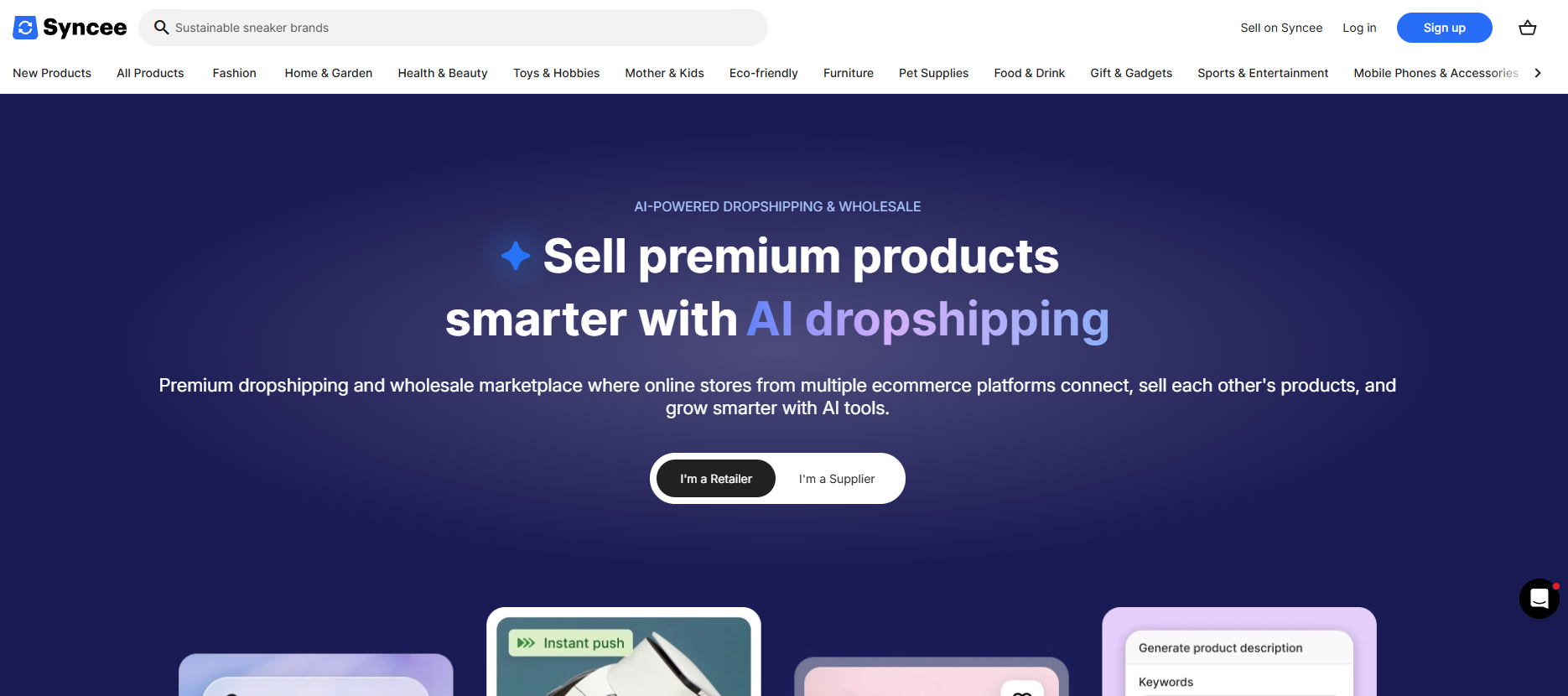
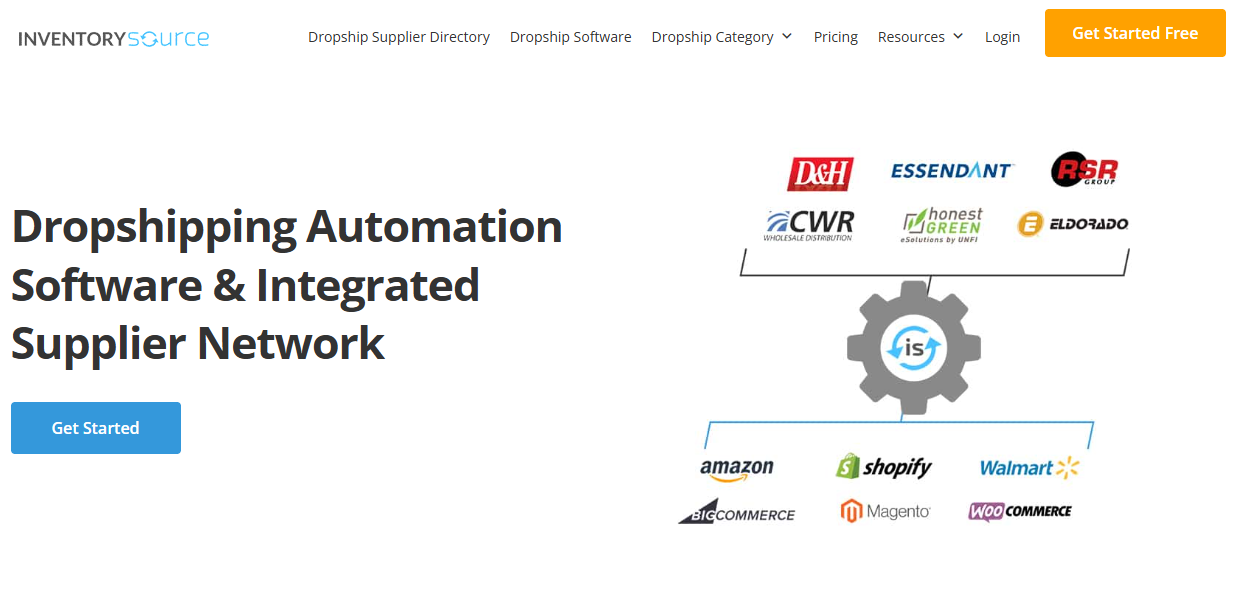
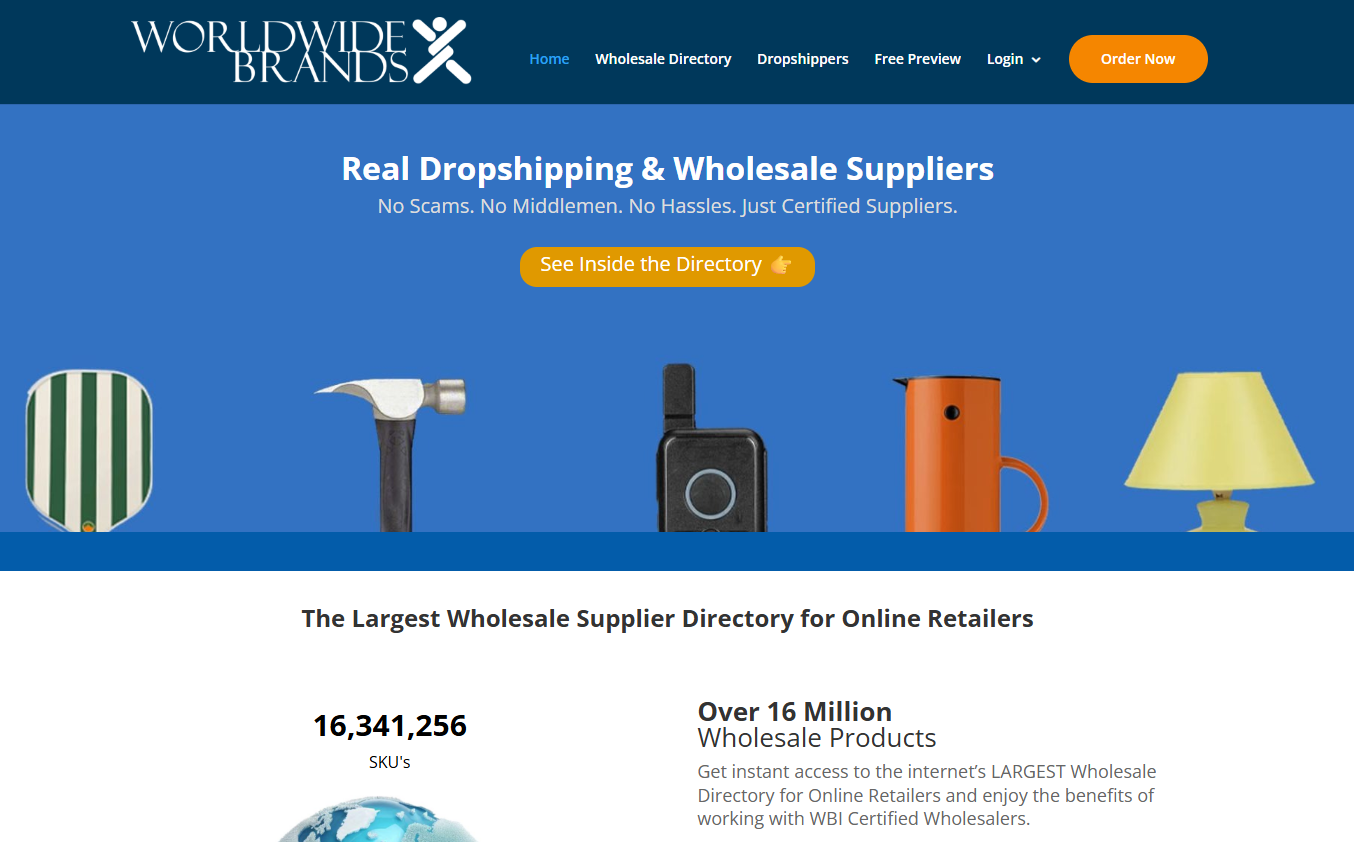
The top six AI dropshipping platforms, like Sell The Trend, Zendrop, Syncee, Inventory Source, Worldwide Brands, and AliExpress, help merchants locate verified vendors and automate catalog management. Evaluating these platforms depends on catalog depth, regional warehouse networks, machine learning features, real-time inventory sync capabilities, and 1-click order fulfillment integrations across Western markets.
For a growing dropshipping business, the best AI tools should provide everything needed for the intended workflow while maintaining a user-friendly interface.
Finding reliable dropshipping suppliers requires comparing platforms across catalog depth, geographic warehouse locations, research capabilities, and automation integrations. Evaluating these platforms depends on whether a store owner needs trend research, directory access, or backend inventory synchronization.
Directory-only model requiring manual vendor outreach
AliExpress
Low-cost catalog testing across Asian suppliers
Primarily Asian hubs with select US/EU stock
Visual search & basic filters
External app integrations required
Free to browse
Longer transit times and variable vendor consistency
1. Find the Best Dropshipping Suppliers with Sell The Trend
Sell The Trend is the strongest fit in this comparison for merchants running a dropshipping store who want product research, supplier discovery, inventory synchronization, and fulfillment tools in one workflow.
The platform combines NEXUS AI product research with the AI Supplier Finder, allowing store owners to filter verified US and European vendors by price, delivery speed, product rating, and customer service scores. Once shortlisted, merchants can import products into their storefront, synchronize inventory, and process orders through 1-click fulfillment.
Trade-off: It is built specifically as a subscription-based operational platform rather than a standalone free directory.
No title
💡Pro Tip: The platform helps merchants compare supplier options using ratings, pricing, shipping speed, and service signals, making it easier to evaluate custom products alongside winning catalog items.
2. Use Zendrop to Improve Your Online Store
Zendrop is trusted by over 5,000,000 sellers and simplifies inventory sourcing and store creation for online storefronts, featuring fast shipping routes across North American and European markets.
The platform offers an AI store builder and automated order-fulfillment tools, making it accessible for new merchants testing product catalog integration. This helps new merchants build an online store and start selling without building every workflow manually.
Trade-off: Its free plan is useful for initial testing, but custom branding, packaging inserts, and advanced fulfillment require paid upgrades.
3. Use Syncee to Boost Your Ecommerce Business
Syncee connects with over 12,000 trusted brands. It operates as a global B2B marketplace.
It also connects premium products across multiple ecommerce platforms, which can suit merchants who want to sell products from established brands.
It provides automated product data updates and order synchronization, making it a viable option for stores seeking established brand partnerships without holding physical stock.
Trade-off: It lacks integrated AI social-trend research tools (such as NEXUS AI) to spot viral products before market saturation.
4. Check a Dropshipping Platform like Inventory Source
Inventory Source has operated since 2002. It provides direct data feeds connecting retail stores to wholesale distributor networks.
It excels at synchronizing complex product data feeds, quantities, and order details between traditional US distributors and major sales channels.
Trade-off: The platform focuses almost strictly on backend operational feeds rather than consumer market research, ad copy creation, or product trend validation.
5. Worldwide Brands Can Help You with Profit Margins
Worldwide Brands has over 16 million certified products. It’s a wholesale directory featuring factory-direct suppliers.
The service uses strict accreditation guidelines to eliminate scam vendors and charges a single lifetime fee instead of recurring monthly software subscriptions. Members receive instant access to a large wholesale directory rather than an automated storefront workflow.
Trade-off: It operates purely as a contact directory; store owners must create individual vendor accounts and manage order processing manually, without built-in store automation.
6. AliExpress (AliDrop) Is Great for Product Search
AliExpress (a subsidiary of Alibaba) offers massive catalog selection and low unit costs for initial market testing.
It provides an entry point for testing low-cost product concepts without minimum order constraints or upfront financial barriers. Before importing products from AliExpress, compare total landed cost, shipping window, and vendor consistency rather than judging an item on price alone.
Trade-off: Extended overseas shipping timelines and variable supplier consistency usually require store owners to transition winning items to local US or European suppliers to maintain customer satisfaction.
No title
💡Pro Tip: While convenient for budget catalog testing, importing AliExpress products through an unverified third-party supplier often requires transitioning to local suppliers to maintain high shipping standards.
FAQ
How Does AI Improve Dropshipping Supplier Discovery?
AI algorithms eliminate manual directory searches by analyzing thousands of active vendor data points simultaneously. Machine learning evaluates real-time fulfillment speed, stock stability, and geographic warehouse proximity to surface verified partner candidates in seconds.
Can AI Replace Human Verification When Auditing Suppliers?
No. AI serves as an intelligence layer to narrow down supplier candidates, but human due diligence remains necessary. Store owners must independently audit vendor policies, test inventory synchronization, and order physical product samples to confirm packaging and product quality before running marketing campaigns.
What Is the Difference Between US and European Dropshipping Warehouses?
US fulfillment relies primarily on domestic ground logistics, with state and local sales-tax requirements varying by state and jurisdiction. European fulfillment requires navigating cross-border shipping across EU member states, managing value-added tax (VAT) compliance, and supporting multi-currency transactions across different European customer bases.
How Fast Can You Start Selling With an AI-Powered Dropshipping Business?
With modern AI-assisted store builders, you can set up an online store in just a few minutes. Combining quick store creation with automated product selection and AI supplier discovery can significantly shorten the path to launch.
Why Is Real-Time Inventory Syncing Critical for Dropshipping Operations?
Real-time inventory sync prevents backorders and stockouts by constantly updating active storefront stock to match warehouse availability. This automation protects store reputations, prevents customer disputes, and minimizes human entry error.
Does Sell The Trend Connect Directly to Storefront Automation?
Yes. Sell The Trend connects product discovery and supplier selection with store automation. New orders appear in Sell The Trend and can be forwarded to the appropriate supplier using 1-click fulfillment, while inventory synchronization and tracking updates reduce repetitive order-management work.
Conclusion
Adopting AI dropshipping practices transforms how modern e-commerce brands source and fulfill products globally. By replacing manual research with algorithmic data analysis, store owners can quickly identify reliable suppliers serving US and European markets. However, machine learning discovery must be paired with human due diligence, such as auditing policies and placing sample orders, to reduce fulfillment risk and support a smoother customer experience.
Combining intelligent discovery tools with storefront automation provides all the tools required to build a sustainable, scalable store. The most reliable AI supplier workflow combines automated discovery with human verification. Sell The Trend brings NEXUS AI product research, supplier filtering, real-time inventory syncing, and 1-click fulfillment into one workflow, while sample orders and supplier-policy checks provide the final quality-control layer.
Lisa is an eCommerce and digital marketing specialist with over 6 years of experience helping online businesses grow through data-driven strategy and hands-on execution.
She has worked across dropshipping and direct-to-consumer channels, focusing on product research and performance marketing. At Sell The Trend, she creates practical, research-backed content to help merchants make confident decisions.