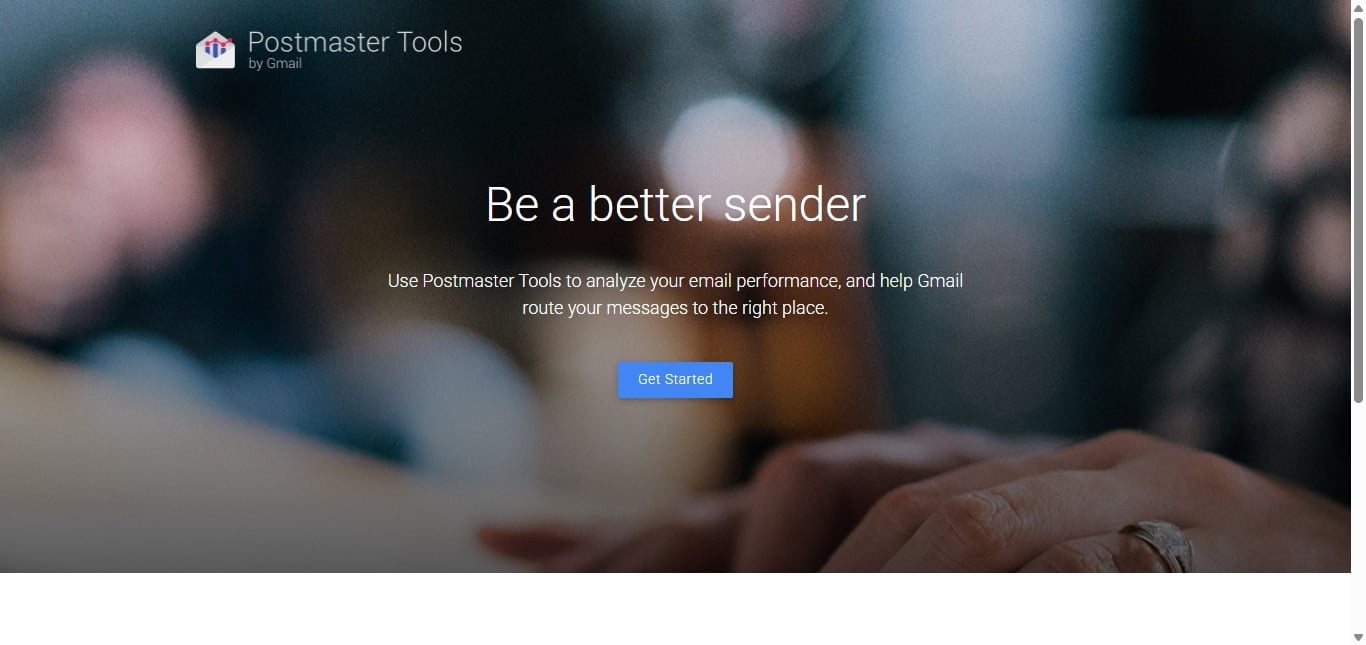
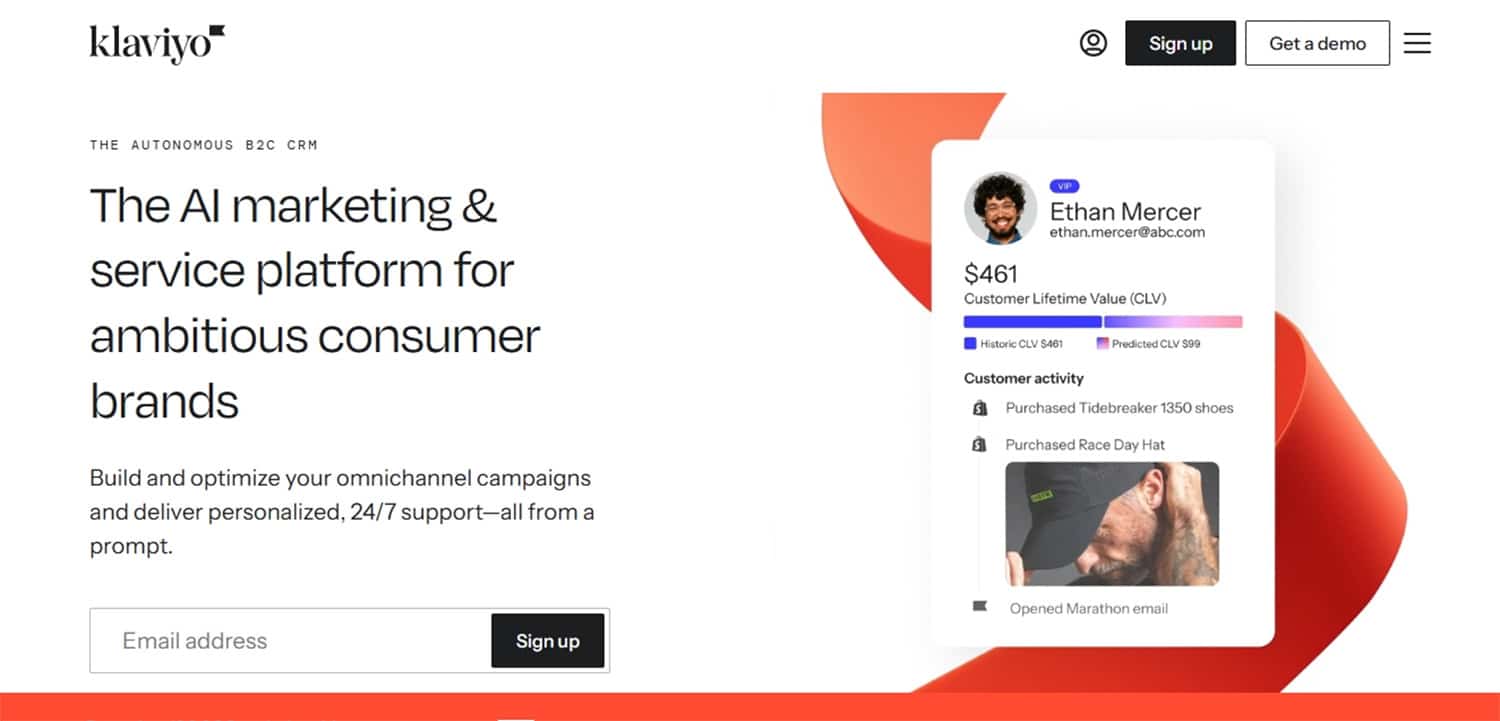
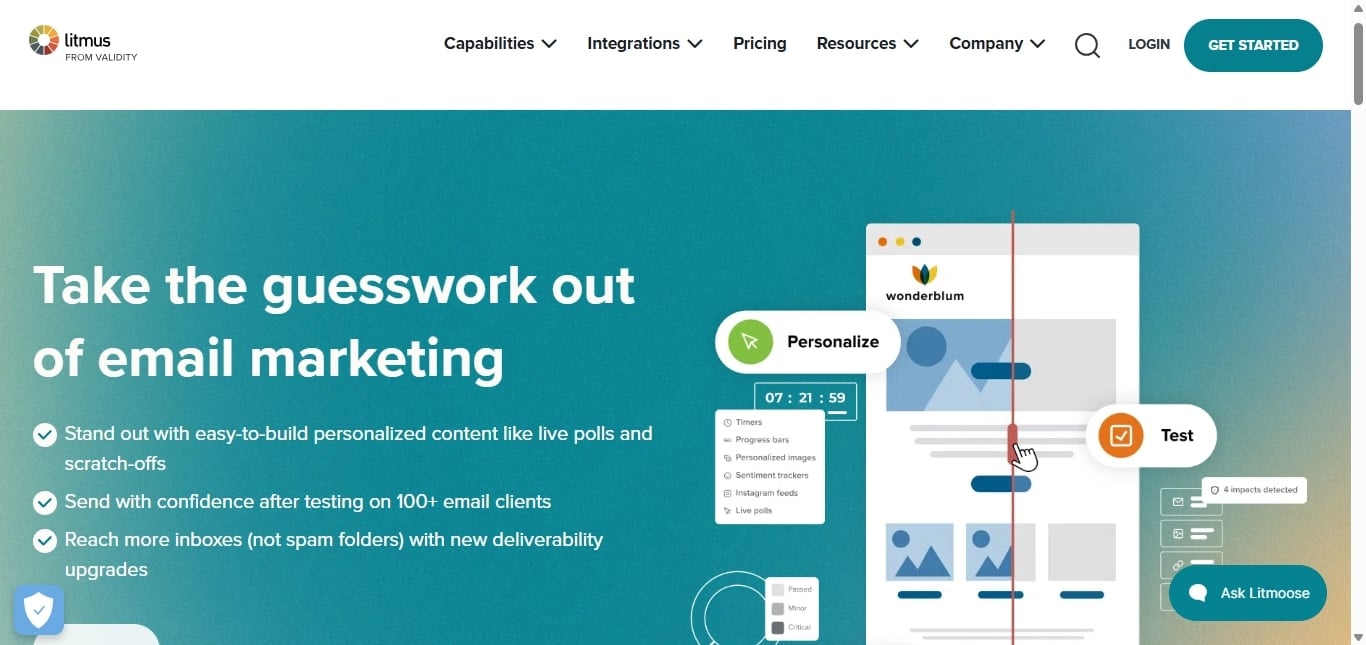
The best Shopify email deliverability tools are InboxAlly, ZeroBounce, Google Analytics, Mailwarm, Google Postmaster Tools, Klaviyo, and Litmus. Together, these tools help you improve inbox placement, validate subscribers, monitor sender reputation, segment customers, and optimize email campaigns for better conversions.
Growing a large email list is only half the battle. If your emails consistently land in spam folders, even your best promotions won’t generate sales.
For Shopify merchants, email remains one of the highest ROI marketing channels. Whether you’re recovering abandoned carts, launching a new product, or announcing a flash sale, improving sender reputation helps ensure your emails actually reach customers. If you’re still building your business, our complete guide to Shopify dropshipping explains how to launch a store, choose products, and build a foundation before scaling your email marketing.
In this guide, we’ll explain the seven best tools for improving Shopify email deliverability, what each one does best, and how to build an email marketing system that keeps your messages landing in the inbox—not the spam folder.
At a Glance: Best Email Deliverability Tools for Shopify
Tool
Best For
Free Plan
Shopify Friendly
Ideal For
InboxAlly
Inbox placement & reputation recovery
No
✅
Stores with deliverability issues
ZeroBounce
Email list validation
Limited
✅
Cleaning subscriber lists
Google Analytics
Tracking email conversions
Yes
✅
Measuring campaign ROI
Mailwarm
New domain warm-up
No
✅
New Shopify stores
Google Postmaster Tools
Reputation monitoring
Yes
✅
Gmail performance insights
Klaviyo
Email marketing automation
Yes
✅ Native
Growing ecommerce brands
Litmus
Email testing
Trial
✅
Marketing teams
No title
Pro Tip: Don’t think of these as competing tools. Most successful Shopify stores use several of them together to improve deliverability at every stage of the customer journey.
Why Does Sender Reputation Matter for Shopify Stores?
Sender reputation is a trust score that email providers like Gmail and Outlook use to determine whether your emails belong in the inbox, promotions tab, or spam folder. Higher sender reputation leads to better email deliverability and more sales.
Mailbox providers evaluate dozens of signals before deciding where your email belongs, including:
A common misconception is that subscriber count is the most important metric.
It isn’t.
A store with 5,000 engaged subscribers often generates more revenue than one with 50,000 inactive contacts.
That’s why healthy email marketing starts with quality over quantity.
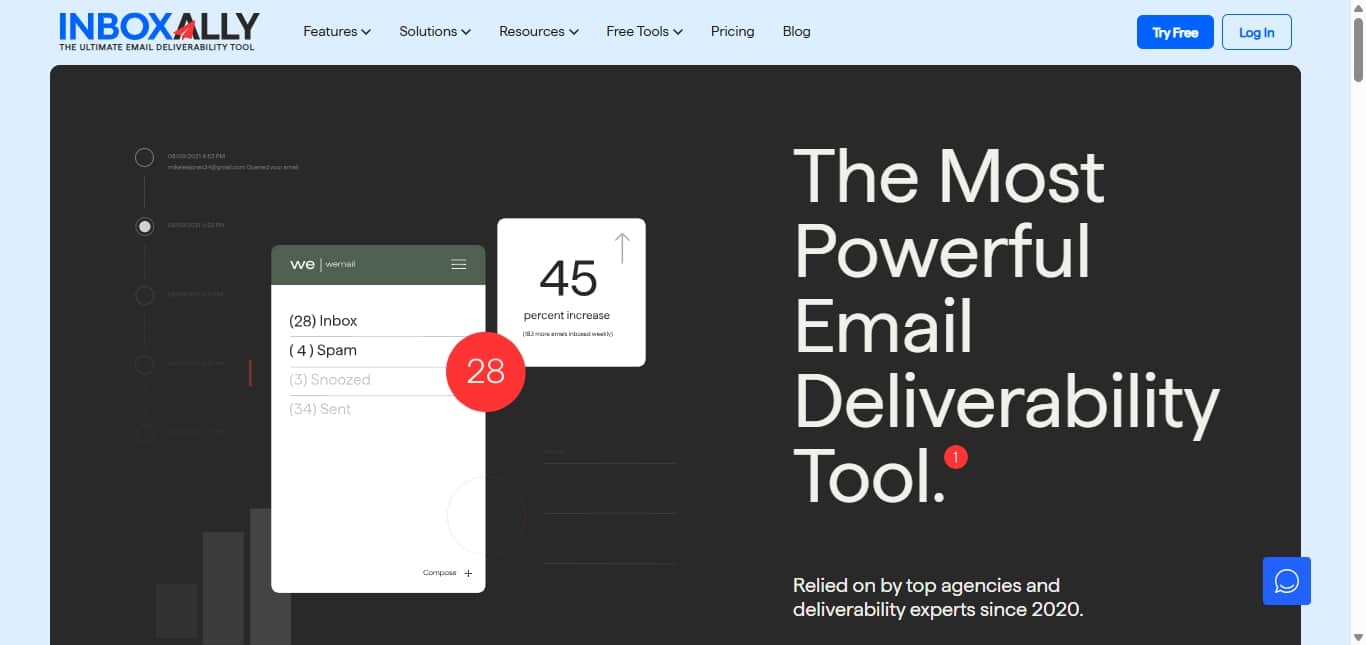
1. What Does InboxAlly Do for Shopify Email Deliverability?
InboxAlly helps improve inbox placement by generating positive engagement signals that encourage mailbox providers to trust your domain. It’s particularly useful for recovering damaged sender reputations or warming up new email domains.
If you’re only going to invest in one deliverability tool, InboxAlly is arguably the best place to start.
Instead of simply monitoring your reputation, InboxAlly actively helps improve it.
The platform sends your campaigns to a network of real inboxes that automatically interact with your emails by opening them, clicking links, and marking them as important.
These engagement signals help providers like Gmail recognize your emails as valuable rather than promotional spam.
If your domain or IP becomes listed on a spam database, catching it early can save weeks—or even months—of recovery work.
Best For
Growing Shopify stores experiencing declining open rates despite maintaining good email content.
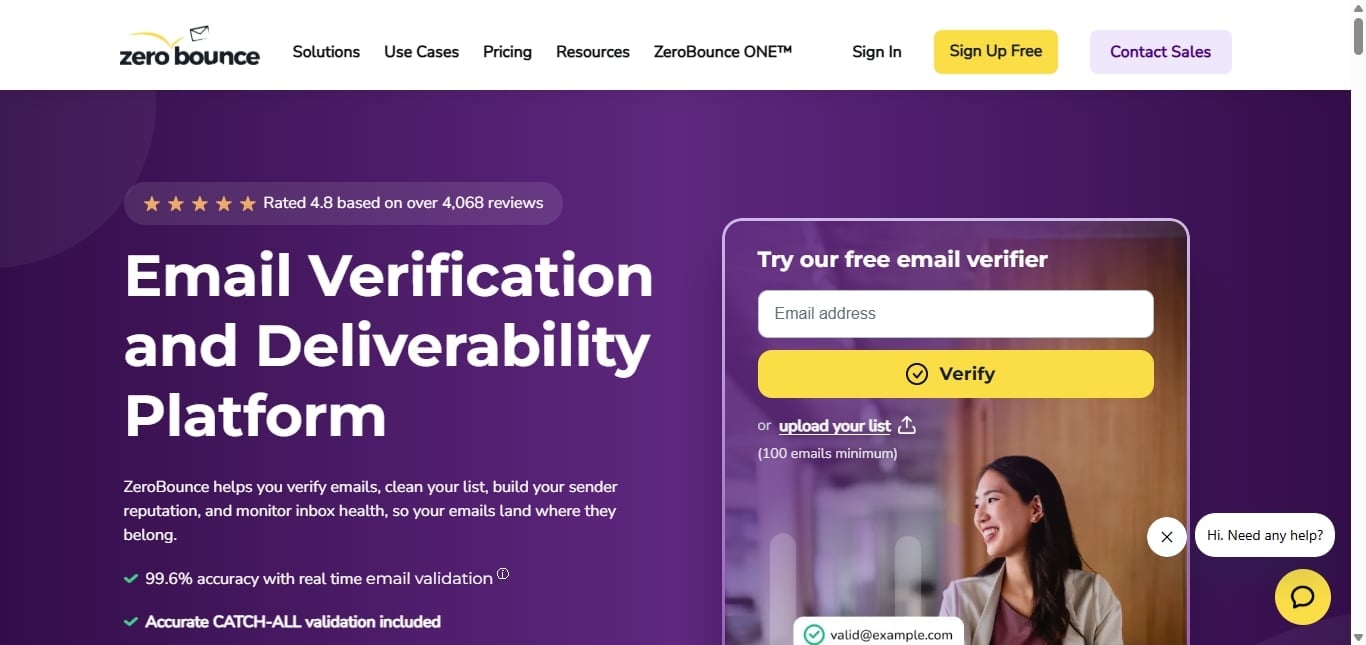
2. Why Should Shopify Stores Validate Their Email Lists?
Validating your subscriber list removes invalid addresses, spam traps, and risky emails before you send campaigns. This lowers bounce rates and helps protect your sender reputation over time.
Deleting subscribers can feel counterproductive.
After all, you’ve spent time—and often money—acquiring them.
But inactive or invalid subscribers quietly damage your deliverability every time you send an email.
That’s where ZeroBounce comes in.
ZeroBounce scans your list for:
Invalid addresses
Spam traps
Catch-all domains
Temporary emails
Typographical errors
Abuse accounts
Removing these contacts improves overall list health while reducing unnecessary bounce rates.
Why list cleaning matters
Imagine sending 20,000 promotional emails.
If 2,000 of those addresses are invalid, mailbox providers immediately begin questioning the quality of your list.
Repeat that several campaigns in a row, and your sender reputation begins to decline—even if your content is excellent.
Best For
Stores with older email lists or merchants importing subscribers from multiple marketing channels.
3. Why Should Shopify Stores Track Email Performance with Google Analytics?
Google Analytics helps Shopify merchants measure what happens after someone clicks an email. Instead of focusing only on open rates, it shows which campaigns generate traffic, purchases, and revenue.
Open rates aren’t nearly as reliable as they once were.
Apple’s Mail Privacy Protection automatically opens many emails, while preview panes and image blocking can distort reporting across multiple platforms.
That’s why successful ecommerce brands focus on business metrics instead.
Adding UTM parameters to every campaign allows Google Analytics to track:
Sessions
Revenue
Product views
Add-to-cart events
Checkout completion
Customer lifetime value
Instead of asking:
“Did they open my email?”
You begin asking:
“Did this email generate sales?”
That’s a much more valuable question.
Metrics worth tracking
Instead of obsessing over opens, prioritize:
Revenue per email
Conversion rate
Average order value
Revenue by campaign
Revenue by customer segment
These metrics provide a much clearer picture of your email marketing performance.
How Better Products Lead to Better Email Results
Even the healthiest email list won’t perform well if you’re promoting products people don’t actually want.
That’s why many successful Shopify merchants spend just as much time researching products as they do optimizing email campaigns.
Platforms like Sell The Trend help merchants discover trending products before investing heavily in advertising or email marketing. Using NEXUS AI’s predictive product research, supplier database, and Shopify integration, merchants can identify products already gaining traction before building campaigns around them. That means your emails promote products with proven demand instead of relying on guesswork.
The stronger the product, the easier every email campaign becomes.
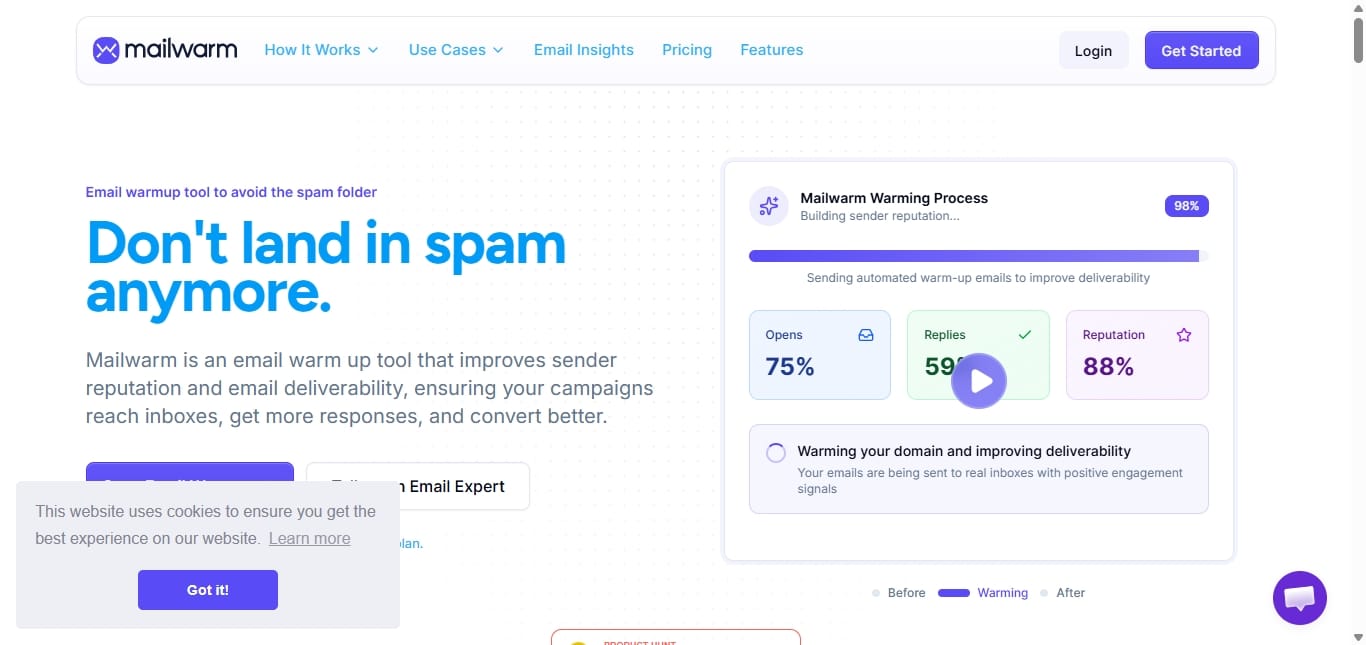
4. How Does Mailwarm Help New Shopify Stores Build Sender Reputation?
Mailwarm gradually builds trust with mailbox providers by increasing your email sending volume over time. Instead of sending thousands of emails immediately, it creates a natural sending pattern that improves domain reputation and reduces the risk of landing in spam folders.
Launching a brand-new Shopify store is exciting.
You’ve connected your email platform, imported your subscribers, and you’re ready to announce your first product.
But if you send 15,000 emails from a brand-new domain on day one, Gmail is likely to see that as suspicious behavior.
That’s exactly what Mailwarm helps prevent.
Rather than sending large email blasts immediately, Mailwarm slowly increases your sending activity over several weeks, helping mailbox providers recognize your domain as a legitimate sender.
Why domain warm-up matters
Mailbox providers don’t know who you are.
They only know your sending history.
A new domain with:
zero reputation
high email volume
no engagement history
looks remarkably similar to the behavior of many spam campaigns.
Building trust gradually almost always leads to better long-term deliverability.
Best For
New Shopify stores
Businesses switching domains
Merchants moving to a new email platform
Recovering from poor sender reputation
No title
Pro Tip: If you’re launching a new Shopify store, start warming your domain at least two weeks before your first major sale or product launch. You’ll give Gmail enough positive history to improve inbox placement before your biggest campaigns.
5. How Can Google Postmaster Tools Improve Email Deliverability?
Google Postmaster Tools provides free visibility into how Gmail views your domain. It reports spam complaints, authentication issues, sender reputation, and delivery performance so you can identify problems before they affect sales.
Many Shopify merchants never realize there’s a problem until open rates suddenly collapse.
Google Postmaster Tools helps you spot issues much earlier.
Instead of guessing why Gmail isn’t delivering your emails, you can monitor the health of your sending domain directly.
Key reports include:
Domain reputation
IP reputation
Spam complaint rate
Authentication status
Delivery errors
Encryption success
Because Gmail accounts for such a large share of ecommerce email traffic, this free tool is worth checking at least once each month.
What Should You Watch?
Pay particular attention to:
Sudden increases in spam complaints
Failed DKIM authentication
Failed SPF authentication
Declining domain reputation
Delivery errors
These often appear before major deliverability problems develop.
Best For
Every Shopify merchant who sends marketing emails.
6. Why Is Klaviyo One of the Best Email Platforms for Shopify?
Klaviyo combines email marketing, customer segmentation, and automation into one platform, making it one of the most popular email marketing solutions for Shopify stores.
Sending the exact same email to every subscriber rarely produces the best results.
Customers buy different products.
They visit different pages.
Some purchased yesterday.
Others haven’t visited your store in months.
Klaviyo lets you build campaigns based on customer behavior instead of assumptions.
Examples include:
Abandoned cart emails
Browse abandonment
Welcome sequences
VIP customer offers
Repeat purchase reminders
Product recommendations
Win-back campaigns
These automations create more relevant experiences—and relevance improves engagement.
Mailbox providers notice that engagement.
Why Segmentation Improves Deliverability
Imagine sending a dog toy promotion.
Instead of emailing everyone, Klaviyo lets you target customers who:
purchased pet products
viewed pet collections
abandoned pet products
previously bought dog accessories
That audience is far more likely to engage.
Higher engagement sends stronger positive signals to Gmail and Outlook.
Best For
Growing Shopify businesses looking to automate customer communication while improving long-term deliverability.
Make Every Email More Valuable by Promoting Better Products
Email marketing works best when customers are excited about what you’re sending.
That’s why successful ecommerce brands don’t rely solely on discounts—they focus on consistently introducing products people actually want.
Before creating automated email flows, many merchants use Sell The Trend’s Nexus AI to find winning products across ecommerce marketplaces and social platforms. Combined with predictive product research, supplier filtering, and Shopify integration, this helps merchants build campaigns around products with stronger sales potential instead of guessing which products will resonate with subscribers.
For example:
Instead of sending another generic “20% Off” email…
You might launch a campaign introducing a trending product that’s already seeing strong market demand.
Better products naturally generate:
Higher click-through rates
Better conversion rates
More repeat purchases
Increased customer lifetime value
Deliverability and product selection work together.
7. Why Should Shopify Merchants Test Every Email Before Sending?
Litmus helps marketers preview emails across dozens of devices and email clients before sending. Catching rendering problems early improves user experience and reduces the chance that frustrated recipients mark your emails as spam.
Not every customer reads email the same way.
Some use:
Gmail
Apple Mail
Outlook Desktop
Outlook Mobile
Yahoo Mail
Others use dark mode.
Some block images.
Others disable HTML entirely.
An email that looks perfect in Gmail can become almost unreadable in Outlook.
Litmus allows you to preview campaigns before they’re delivered.
This helps identify:
Broken layouts
Missing images
Mobile responsiveness issues
Accessibility problems
Dark mode formatting
Broken links
A five-minute preview often prevents a costly mistake reaching thousands of subscribers.
Best For
Marketing teams sending frequent campaigns across multiple devices.
How Can Shopify Stores Improve Email Deliverability? (A 5-Step Framework)
Improving email deliverability isn’t about using one tool—it’s about building a complete system. The most successful Shopify merchants consistently clean their lists, authenticate their domains, monitor reputation, segment subscribers, and test every campaign before sending.
Here’s a simple framework you can follow.
Step 1: Clean Your Subscriber List
Remove:
Invalid addresses
Spam traps
Duplicate emails
Inactive subscribers
Recommended Tool:
ZeroBounce
Step 2: Warm Up New Domains
Avoid sending large campaigns immediately.
Recommended Tool:
Mailwarm
Step 3: Monitor Reputation
Check your sender reputation regularly.
Recommended Tool:
Google Postmaster Tools
Step 4: Segment Your Audience
Send relevant emails to the right customers.
Recommended Tool:
Klaviyo
Step 5: Test Before Every Campaign
Preview emails before they reach customers.
Recommended Tool:
Litmus
Following these five steps consistently is far more effective than relying on any single piece of software.
Common Email Deliverability Mistakes Shopify Merchants Should Avoid
Even experienced ecommerce businesses make mistakes that damage sender reputation.
The most common include:
Buying Email Lists
Purchased subscribers rarely engage and frequently generate spam complaints.
Sending Too Frequently
Bombarding customers every day often leads to unsubscribes and spam reports.
Ignoring Inactive Subscribers
Subscribers who haven’t opened an email in six months may be hurting your reputation more than helping it.
Skipping SPF, DKIM, and DMARC
Without proper authentication, mailbox providers struggle to verify your identity.
Never Monitoring Gmail Reputation
Many merchants only notice problems after sales begin falling.
Checking Google Postmaster Tools regularly helps catch issues much earlier.
Promoting Weak Products
One overlooked reason email campaigns underperform has nothing to do with deliverability.
If subscribers repeatedly receive offers for products they don’t find interesting, engagement naturally declines.
Many successful Shopify brands reduce this problem by validating product demand before launching campaigns. Product research platforms like Sell The Trend allow merchants to identify products showing real momentum, evaluate supplier quality, and launch higher-potential products through Shopify before investing heavily in email marketing. This creates more engaging campaigns from the very beginning.
Frequently Asked Questions
What Is a Good Sender Reputation Score?
A good sender reputation means email providers consistently trust your domain and deliver your messages to subscribers’ inboxes instead of spam folders. While providers don’t publish a universal score, low spam complaint rates, strong engagement, and proper authentication are all signs of a healthy reputation.
The best way to maintain a strong sender reputation is to:
Keep spam complaints low
Remove inactive subscribers regularly
Authenticate your domain with SPF, DKIM, and DMARC
Send relevant content consistently
Avoid sudden spikes in email volume
Healthy sender reputation isn’t something you achieve once—it’s something you maintain over time.
How Often Should I Clean My Shopify Email List?
Most Shopify stores should clean their email lists every three to six months, while high-volume stores may benefit from monthly validation.
Regular list cleaning helps remove:
Invalid email addresses
Spam traps
Disposable emails
Subscribers who haven’t engaged in a long time
Although deleting subscribers may seem counterintuitive, a smaller list of engaged customers almost always performs better than a much larger list filled with inactive contacts.
How Long Does It Take to Warm Up a New Email Domain?
Most new domains should be warmed up over two to four weeks before sending large marketing campaigns.
The exact timeline depends on:
List size
Sending frequency
Engagement rates
Domain history
Starting slowly helps mailbox providers build trust in your domain before major product launches or seasonal promotions.
What Is the Best Email Deliverability Tool for Shopify?
There isn’t a single “best” tool because each solves a different problem.
If you’re experiencing inbox placement issues:
InboxAlly is an excellent choice.
If your subscriber list is outdated:
ZeroBounce is ideal.
If you’re launching a new store:
Mailwarm should be one of your first investments.
For automation:
Klaviyo remains one of the strongest Shopify-native email platforms available.
The highest-performing ecommerce brands typically use several of these tools together.
Can Bad Products Hurt Email Performance?
Yes. If subscribers repeatedly receive offers that aren’t relevant or appealing, engagement naturally declines—and lower engagement can eventually affect sender reputation.
Email success depends on two things:
Reaching the inbox.
Giving customers a reason to click.
Improving deliverability without improving the products you’re promoting limits your long-term results.
How Does Product Research Improve Email Marketing?
Better product research leads to better email performance because subscribers are more likely to engage with products already showing strong market demand.
Rather than guessing what customers might want, many Shopify merchants begin by validating product demand before building promotions around it.
Platforms like Sell The Trend combine predictive product research, Nexus AI, supplier filtering, and Shopify integration to help merchants identify promising products before investing in advertising or email campaigns. That allows marketers to spend less time guessing and more time promoting products with proven potential.
How Sell The Trend Fits Into Your Shopify Email Marketing Workflow
Email marketing doesn’t begin when you write a campaign.
It begins much earlier—with choosing the right product.
Many Shopify merchants focus heavily on email software while overlooking the first step in the customer journey:
Finding products people actually want to buy.
A more effective workflow looks like this:
Discover Trending Products
↓
Validate Product Demand
↓
Choose Reliable Suppliers
↓
Import Products to Shopify
↓
Launch Email Campaigns
↓
Measure Performance
↓
Optimize and Scale
This is where Sell The Trend naturally complements your email marketing stack.
Instead of replacing tools like Klaviyo or InboxAlly, it strengthens the foundation underneath them.
By validating products before promoting them, your email campaigns have a stronger chance of generating clicks, conversions, and repeat customers—not because your emails changed, but because the products inside them are more compelling.
Final Thoughts: Great Email Marketing Starts Long Before You Hit “Send”
Growing an email list is important.
But growing a healthy email list is what drives long-term ecommerce success.
The most successful Shopify brands don’t rely on a single tool to improve deliverability. Instead, they build a complete system that includes:
Regular email list validation
Domain warm-up for new senders
Reputation monitoring
Smart audience segmentation
Email testing before every campaign
Performance tracking after every send
Most importantly, they make sure they’re promoting products customers actually want.
After all, the best email campaign in the world can’t sell the wrong product.
If you’re looking to improve both your email performance and your product selection process, combining a strong email platform with data-driven product research gives you a significant advantage over relying on guesswork alone.
Sell The Trend helps Shopify merchants discover trending products, evaluate suppliers, automate store management, and launch products with confidence—making every email campaign more likely to generate meaningful results. Whether you’re launching your first store or scaling an established brand, starting with better products creates a stronger foundation for every marketing channel that follows.
Ready to Build Better Shopify Email Campaigns?
Improving email deliverability is one of the highest-impact investments you can make for your Shopify business.
Start by strengthening your email infrastructure with the tools in this guide.
Then take the next step by improving what you’re actually promoting.
Explore how Sell The Trend can help you discover winning products, identify reliable suppliers, streamline your Shopify workflow, and launch smarter email campaigns built around products with real market demand. Whether you’re just getting started or looking to scale, combining healthy email practices with data-driven product research creates a stronger path to long-term ecommerce growth. Start your Sell The Trend Free Trial Today
Lisa is an eCommerce and digital marketing specialist with over 6 years of experience helping online businesses grow through data-driven strategy and hands-on execution.
She has worked across dropshipping and direct-to-consumer channels, focusing on product research and performance marketing. At Sell The Trend, she creates practical, research-backed content to help merchants make confident decisions.