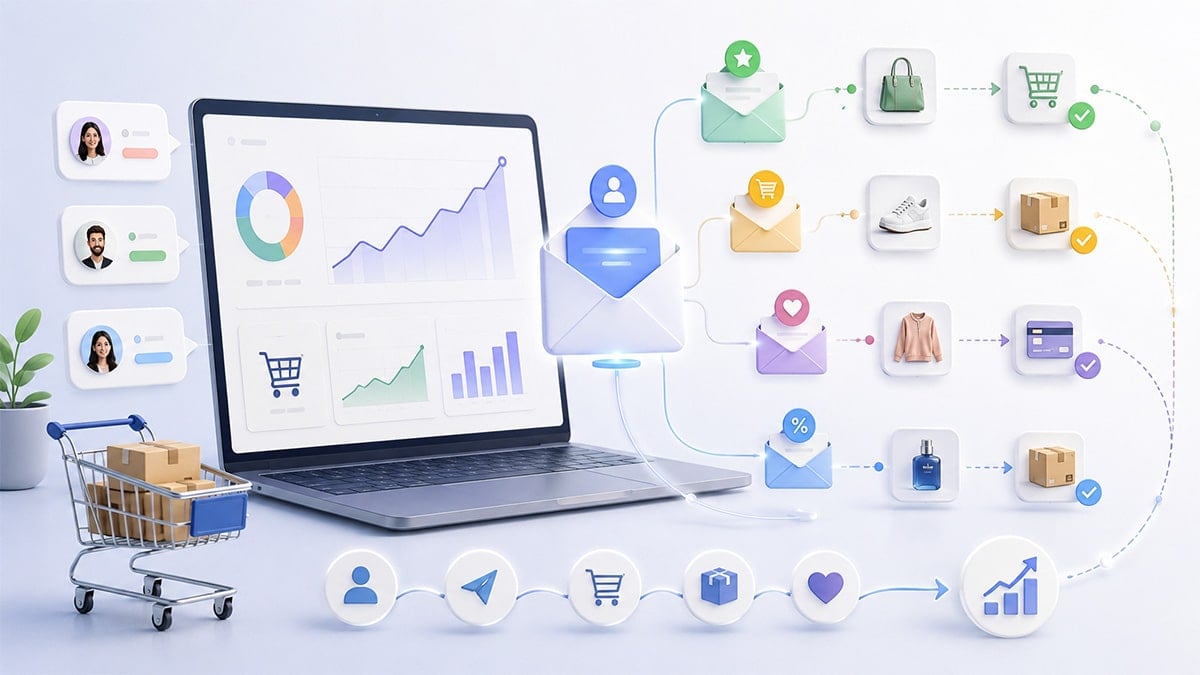
Email automation for e-commerce works best when it helps customers take the next useful step. A good email flow can welcome a new subscriber, recover an abandoned cart, explain a product, encourage a repeat order, or re-engage someone who has gone quiet.
The goal is not to send more emails. It is to send better-timed, more relevant emails that support the customer journey without sounding pushy or generic.
What Makes Email Automation High-Converting?
A high-converting automation strategy is built around customer behavior. Instead of sending the same message to everyone, it responds to specific actions: signing up, viewing a product, adding an item to cart, purchasing, reordering, or becoming inactive.
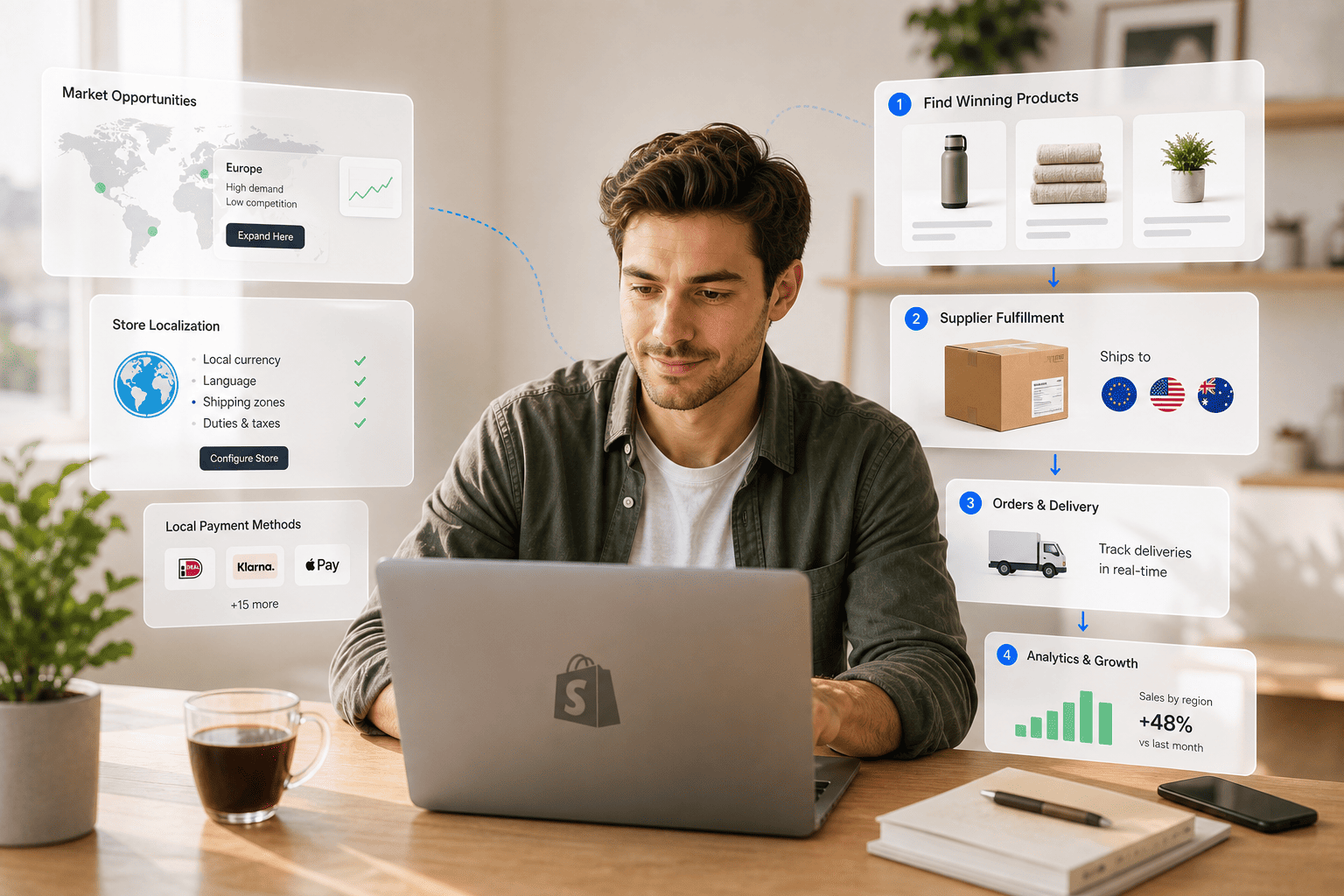
Tools such asSnov.io, and similar platforms can support different parts of the email workflow, from segmentation and campaign automation to outreach sequences, customer data management, and performance tracking. For e-commerce businesses, platforms like Sell The Trend can also provide valuable customer and product insights by helping store owners identify trending products, monitor inventory, and understand purchasing patterns that can inform more effective email segmentation and campaign timing.
But software alone does not create strong results on its own. The right Email automation tools give you the foundation to execute that strategy efficiently, but the strategy itself must still be useful, relevant, and measurable.
The best e-commerce email marketing flows usually have four qualities: clear intent, accurate customer segmentation, thoughtful timing, and regular optimization.
Avoid treating automation as a “set and forget” system. Customer behavior, inventory, offers, and deliverability conditions change, so flows need regular review.
Track revenue per recipient, conversion rate, click-through rate, unsubscribe rate, spam complaints, repeat purchase rate, and customer lifetime value.
Welcome Email Series for New Subscribers
A welcome email series works because the subscriber has just shown interest. They may have joined for a discount, signed up for updates, entered a quiz, or created an account.
Send the first email immediately. Confirm the signup, deliver any promised incentive, and introduce the brand clearly. Then use the next one or two emails to help the shopper choose. You can highlight bestsellers, reviews, product categories, buying guides, or common customer questions. To reinforce a professional first impression, make sure every welcome email includes a clear, branded signature with your contact details. You can try a free email signature generator to create a professional signature without design skills.
For example, a skincare store could use its welcome flow to explain how to choose products by skin type. A clothing store could introduce sizing help, returns, and bestsellers.
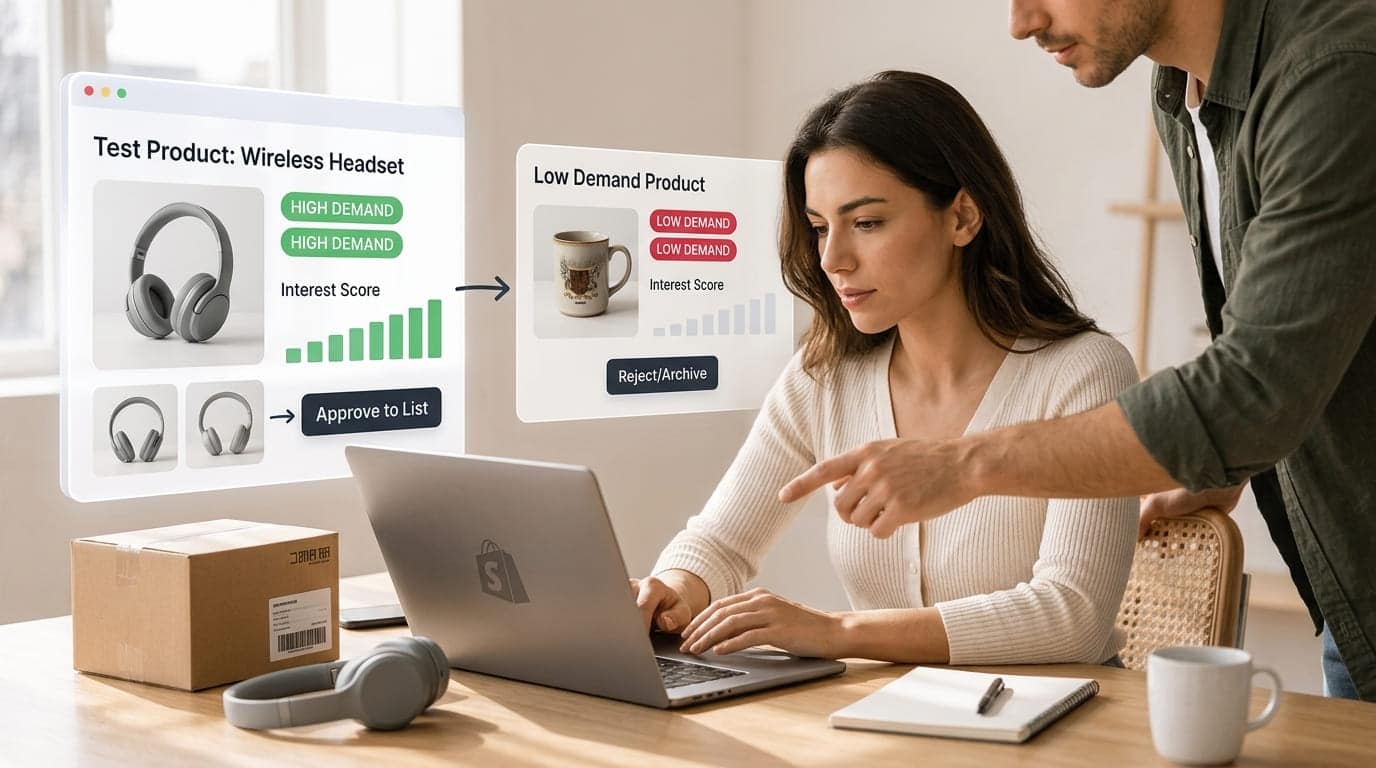
Stores that use product research platforms such as Sell The Trend can strengthen welcome sequences by featuring products that already show strong demand signals and engagement trends. This helps introduce new subscribers to products that are more likely to resonate with current market interests.
Avoid making every welcome email about discounts. New subscribers should quickly understand why your products are worth buying, not just when the next offer expires.
Track first-purchase conversion rate, click-through rate, revenue per recipient, and unsubscribe rate.
Browse and Cart Abandonment Emails
Browse abandonment emails target shoppers who viewed products but did not add anything to cart. Cart abandonment emails target shoppers who added items but did not finish checkout. Both flows work because they respond to clear purchase intent.
For browse abandonment, keep the message light. Show the viewed product, related items, reviews, or helpful buying information. Avoid language that feels invasive, such as “We saw you looking.”
For cart abandonment emails, be more direct. The first email should make it easy to return to checkout. Include the product image, cart summary, and a clear CTA. A second email can answer objections about shipping, sizing, returns, delivery, or payment options.
A discount can work, but it should not be automatic in the first message. Some customers abandon carts because they are distracted, not because they need a lower price. Offering discounts too quickly can train shoppers to wait.
For dropshipping stores, inventory visibility is especially important during cart recovery campaigns. Solutions that provide real-time inventory synchronization, such as Sell The Trend’s supplier automation ecosystem, can help ensure abandoned-cart emails promote products that remain available and ready to fulfill.
Track recovery rate, conversion rate, revenue per recipient, click-through rate, discount usage, and margin impact.
Post-Purchase and Repeat-Purchase Emails
Post-purchase emails help turn first-time buyers into repeat customers. They work because the customer has already trusted your store once. Now your job is to reduce anxiety, improve product satisfaction, and create a natural path to the next purchase.
Start with clear transactional emails: order confirmation, shipping updates, and delivery information. Then send helpful follow-ups based on the product purchased.
A strong post-purchase flow might include care instructions, setup tips, usage ideas, review requests, cross-sell recommendations, or reorder reminders. For example, a coffee brand can send brewing tips after delivery, then remind the customer to reorder before they are likely to run out.
Replenishment emails are especially useful for consumables such as skincare, supplements, pet food, coffee, and personal care products. Use purchase history to estimate when the customer may need more.
For stores using product discovery platforms like Sell The Trend, post-purchase campaigns can also be informed by related product trends and complementary items that customers frequently purchase within the same niche, creating more relevant cross-sell opportunities.
Avoid asking for a review before the customer has used the product. Also avoid pushing another purchase before the first order has arrived.
Win-back campaigns are designed for subscribers or customers who have stopped opening, clicking, or buying. They work best when they offer a relevant reason to return.
Choose the inactivity window based on your product. A store selling coffee or skincare may send a win-back email after 60 or 90 days. A furniture or jewelry store may wait much longer.
A good win-back email can reference past purchases, show new arrivals in a preferred category, remind customers of loyalty points, or offer a limited incentive. For example, a pet supply store might remind a customer about the dog food they ordered previously and make reordering simple.
For e-commerce businesses that regularly launch new products, trend discovery tools can help identify fresh product opportunities to feature in win-back campaigns. Highlighting emerging products or growing niches can give inactive customers a stronger reason to re-engage with the brand.
Avoid guilt-based messages or repeated “last chance” subject lines. If someone remains inactive, reduce frequency or suppress them from regular campaigns to protect email deliverability.
Customer segmentation is what makes automation feel relevant. Useful segments include new subscribers, first-time buyers, repeat buyers, high-value customers, discount-sensitive shoppers, inactive subscribers, cart abandoners, and customers interested in specific product categories.
Personalization should go beyond using the customer’s first name. Use purchase history, viewed products, preferred categories, location, size, loyalty status, and reorder timing. A customer who buys running gear should not receive the same recommendations as someone browsing formal shoes.
Timing matters just as much as content. Use suppression rules so customers do not receive too many automated emails at once. For example, pause browse abandonment when someone enters a cart abandonment flow, and exclude recent buyers from aggressive discount campaigns.
For dropshipping stores operating across multiple niches, tools that combine product research, supplier management, and store analytics can provide additional customer insights that improve segmentation decisions and product recommendations.
Avoid creating so many segments and rules that your team cannot manage them. Start with the segments that meaningfully change the message, timing, offer, or product recommendation.
Track performance by segment, total emails per subscriber, unsubscribe rate, click-through rate, and revenue per recipient.
Deliverability and Optimization
Email deliverability determines whether your automations reach the inbox. Keep your list clean, use clear opt-ins, remove invalid addresses, and make unsubscribing easy. Authenticate your sending domain with SPF, DKIM, and DMARC, and monitor spam complaints closely. Authenticate your sending domain with SPF and DKIM, verify DMARC, and monitor spam complaints closely. You can also use a DMARC Checker to verify your domain’s DMARC record and identify potential configuration issues that could affect email authentication and deliverability.
Optimization should be ongoing. Test subject lines, offers, timing, content blocks, CTAs, product recommendations, and flow logic. Running a free email security checker like DMARKOFF alongside these tests is worth adding to that routine too, since a deliverability problem can quietly undercut every other optimization you make. For example, test whether a cart abandonment email performs better with shipping reassurance or a small incentive. Test whether post-purchase education increases repeat purchases.
Store owners using AI-powered product research platforms such as Sell The Trend can also test how different product categories, trend-based offers, and niche-specific recommendations affect engagement and conversion rates across automated email flows.
Avoid judging success only by attributed revenue. Some customers would have bought anyway. Where possible, use holdout groups to understand the real impact of your automation.
Track revenue per recipient, conversion rate, click-through rate, unsubscribe rate, spam complaints, repeat purchase rate, and customer lifetime value.
Conclusion
High-converting email automation for e-commerce is not about sending more messages. It is about sending the right message at the right moment.
Start with the essential flows: a welcome email series, browse and cart abandonment emails, post-purchase emails, repeat-purchase reminders, and win-back campaigns. Support them with customer segmentation, useful personalization, careful timing, strong email deliverability, and regular testing.
When automation feels helpful instead of pushy, it becomes part of a better shopping experience. Businesses that combine strong email strategy with data-driven product selection, inventory visibility, and trend monitoring are often better positioned to deliver relevant experiences that keep customers engaged over time.
Here are 5 SEO- and AEO-friendly FAQs that fit naturally with the article and provide another opportunity to mention Sell The Trend without sounding promotional:
Frequently Asked Questions
What is the most effective email automation for e-commerce stores?
The most effective email automations are welcome series, cart abandonment emails, post-purchase follow-ups, replenishment reminders, and win-back campaigns. These flows target customers at key stages of the buying journey and consistently generate some of the highest email marketing ROI for online stores.
How many emails should be included in an abandoned cart sequence?
Most e-commerce stores see strong results with two to three cart abandonment emails sent over 24 to 72 hours. The first email should focus on completing the purchase, while follow-up messages can address common objections such as shipping costs, returns, or product concerns.
Why is customer segmentation important in email automation?
Customer segmentation helps ensure subscribers receive relevant content based on their behavior, interests, and purchase history. Better segmentation often leads to higher open rates, click-through rates, conversions, and customer retention compared to sending the same message to every subscriber.
How can product trends improve email marketing performance?
Featuring products that align with current customer demand can increase engagement and conversion rates. Platforms such as Sell The Trend help store owners identify emerging product opportunities and trending niches, making it easier to build relevant campaigns and product recommendations.
What metrics should e-commerce businesses track for email automation?
Key metrics include revenue per recipient, conversion rate, click-through rate, unsubscribe rate, spam complaints, repeat purchase rate, and customer lifetime value. Monitoring these metrics helps businesses understand which automated flows contribute most to long-term growth and profitability.
Lisa is an eCommerce and digital marketing specialist with over 6 years of experience helping online businesses grow through data-driven strategy and hands-on execution.
She has worked across dropshipping and direct-to-consumer channels, focusing on product research and performance marketing. At Sell The Trend, she creates practical, research-backed content to help merchants make confident decisions.