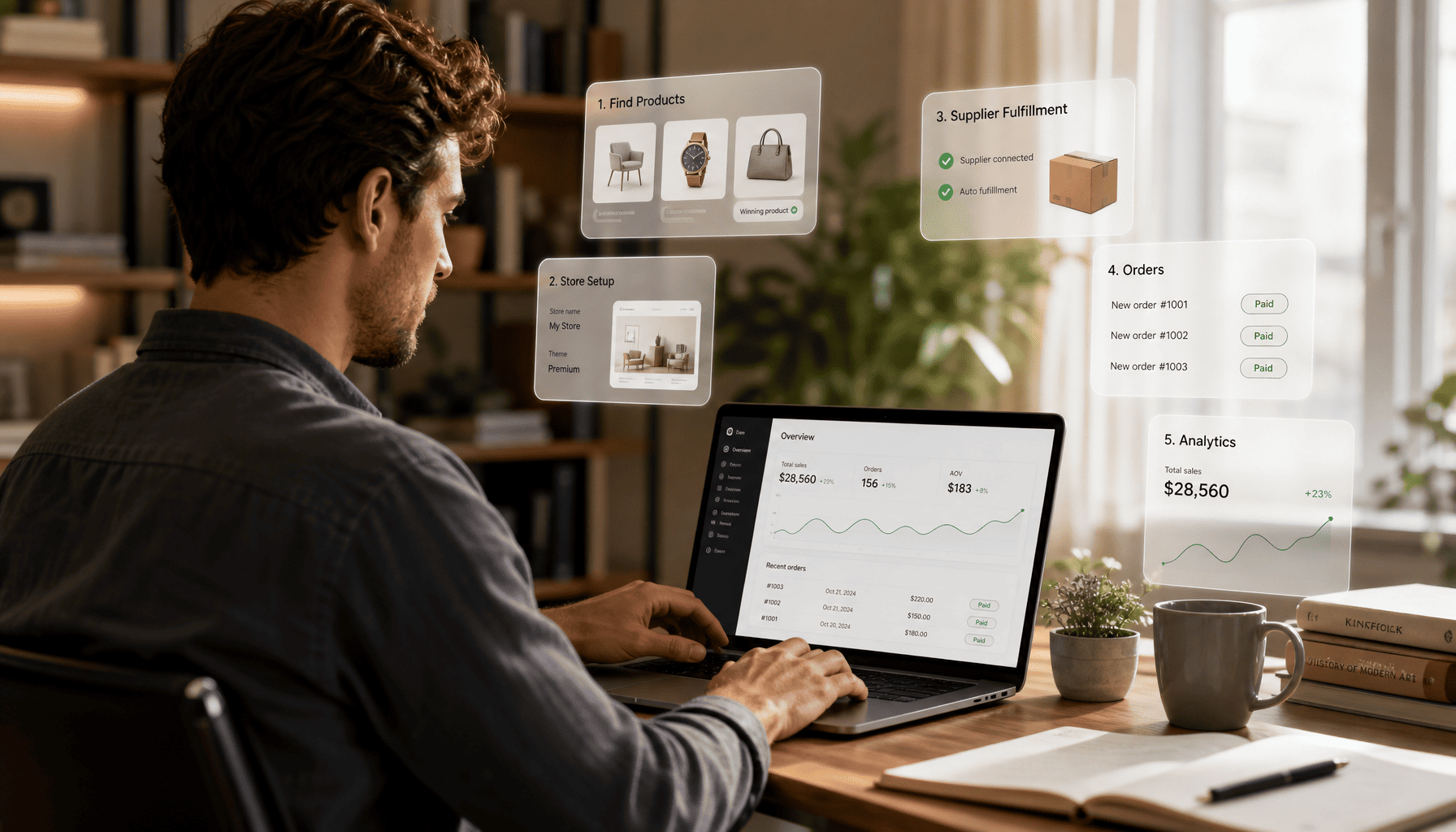
Ever wondered how you can sell premium products from the US, Germany, or Japan to buyers in emerging markets for high profit margins? Forget sourcing cheap, low-quality products. Reverse dropshipping flips this script.
Unlike standard dropshipping, reverse dropshipping prioritizes customer satisfaction, brand trust, and long-term value, all while incurring lower marketing costs. When done correctly, this framework provides a clear, structured path to build a profitable reverse dropshipping business that scales across borders.
Key Takeaways
Reverse dropshipping offers a way to sell premium goods globally without holding inventory.
Focusing on high-quality products and reliable suppliers ensures customer satisfaction.
Profit margins are often higher than the traditional dropshipping business due to high-value products.
Sell The Trend AI product sourcing software can help identify in-demand products and reputable brands without manual labour.
Managing multiple suppliers and shipping, and refund policies, strengthens a successful reverse dropshipping business.
Reverse dropshipping is an e-commerce business model where you source high-quality products from developed countries and sell them to customers in emerging markets.
Instead of importing low-cost goods from the Chinese market, reverse dropshipping exports premium products to regions where imported quality holds higher value. Businesses with this model focus on premium prices, reliable suppliers, and offer excellent customer service.
For example, luxury cosmetics and organic beauty products are particularly popular among consumers in emerging markets. In such markets, people either can’t get these items, or what they find is contaminated. By showing them imported, reliable products, you can:
Sell premium goods.
Maintain healthier profit margins.
Reduce refund requests.
Build long-term trust.
No title
Want to hit the ground running? Sell The Trend gives you everything you need in one place: product research, supplier vetting, and automated order management. It’s like having a complete toolkit to launch a profitable, scalable reverse dropshipping business across global markets.
Why Is It Called Reverse Dropshipping?
It is called reverse dropshipping because the product flow, supplier location, target market, and pricing strategy run opposite to traditional dropshipping.
Traditional Dropshipping: A seller imports low-cost products from less developed countries like China or Vietnam and sells them to customers in the United States.
Focus: Cheap products and high volume sales.
Reverse dropshipping flips this traditional dropshipping model.
Reverse Dropshipping: A seller sources products that are in demand, from countries like Europe or the US. These are sold to customers in emerging countries like parts of Asia, North America, or the Middle East.
Focus: High-quality goods, customer satisfaction, and premium prices.
No title
Too busy to track every order manually? Try Sell The Trend’s automation software to handle order tracking, supplier performance monitoring, and inventory updates from a single dashboard.
How Does Reverse Dropshipping Differ from Traditional Dropshipping?
Reverse dropshipping differs from traditional dropshipping in product quality, target market, pricing, and value proposition.
Element
Traditional Dropshipping
Reverse Dropshipping
Product Quality
Low to average
High-quality goods
Supplier Location
Countries like China or Vietnam
Developed countries
Target Market
Developed markets
Emerging or less developed markets
Pricing
Low, competitive
Premium prices
Customer Focus
Minimal service
Excellent customer service
Profit Margins
Low
Higher
Brand Positioning
Basic
Premium
Is Reverse Dropshipping a Profitable Business in 2026?
Yes, reverse dropshipping can be a highly profitable business in 2026. Compared to traditional dropshipping, reverse dropshipping focuses on premium products sold in emerging markets. Customers in these regions are willing to pay higher prices for premium goods that are not readily available locally.
The global e-commerce market is booming. According to the International Trade Administration, global online sales are projected to surpass $6.8 trillion by the end of 2025. This growth creates a huge opportunity for sellers offering premium products through reverse dropshipping.
Profit Margins
Average profit margins in reverse dropshipping range from 60% to 80%. This is significantly higher than traditional dropshipping. The higher profit margins are achievable because reverse dropshipping focuses on premium products sold in emerging markets.
For example, a premium smart home device sourced from a developed country might cost $120 wholesale. If sold for $200 in an emerging market, the margin is 40%. With premium branding or bundled offers, margins can climb into the 60 to 80% range, making it highly profitable.
How Do You Conduct Market Research for Reverse Dropshipping?
Market research for reverse dropshipping involves identifying the market, researching high-demand products, analyzing competitors, and validating product demand. Here’s a step-by-step guide on starting market research for a profitable reverse dropshipping business:
1. Identify Market
Choose markets where demand for high-quality imported products is rising. For most of the time, emerging and less developed markets value premium goods from developed countries.
Choose Niche: Focus on niches where quality matters more than price.
Target Regions: Research countries with growing online shopping adoption, rising income levels, and limited access to superior products to justify higher retail prices.
2. Research High Quality Products
Once the market is clear, shift focus to product discovery. Your goal is to find in-demand, premium products that customers cannot easily buy locally.
Browse Local Marketplaces: Check popular regional ecommerce platforms. Look for repeated listings, price gaps, and product shortages.
Analyze Social Media: Social platforms reveal buying intent. Watch product mentions, ads, and influencer promotions within your target market.
Review Online Communities: Forums, comment sections, and niche groups reveal pain points. These insights often highlight unmet demand for high-end goods that you can utilize for optimizing your ecommerce website.
3. Analyze Competitors and Trends
Study other reverse dropshipping stores in your niche. Look at pricing, positioning, shipping promises, and product quality. Remember, in a successful reverse dropshipping business, strong competitors validate demand, and weak positioning creates opportunity.
4. Validate Demand
Never skip validation. Even high-end products must prove demand before scaling.
Assess Product Popularity: Check search volume, engagement, and repeat mentions across platforms.
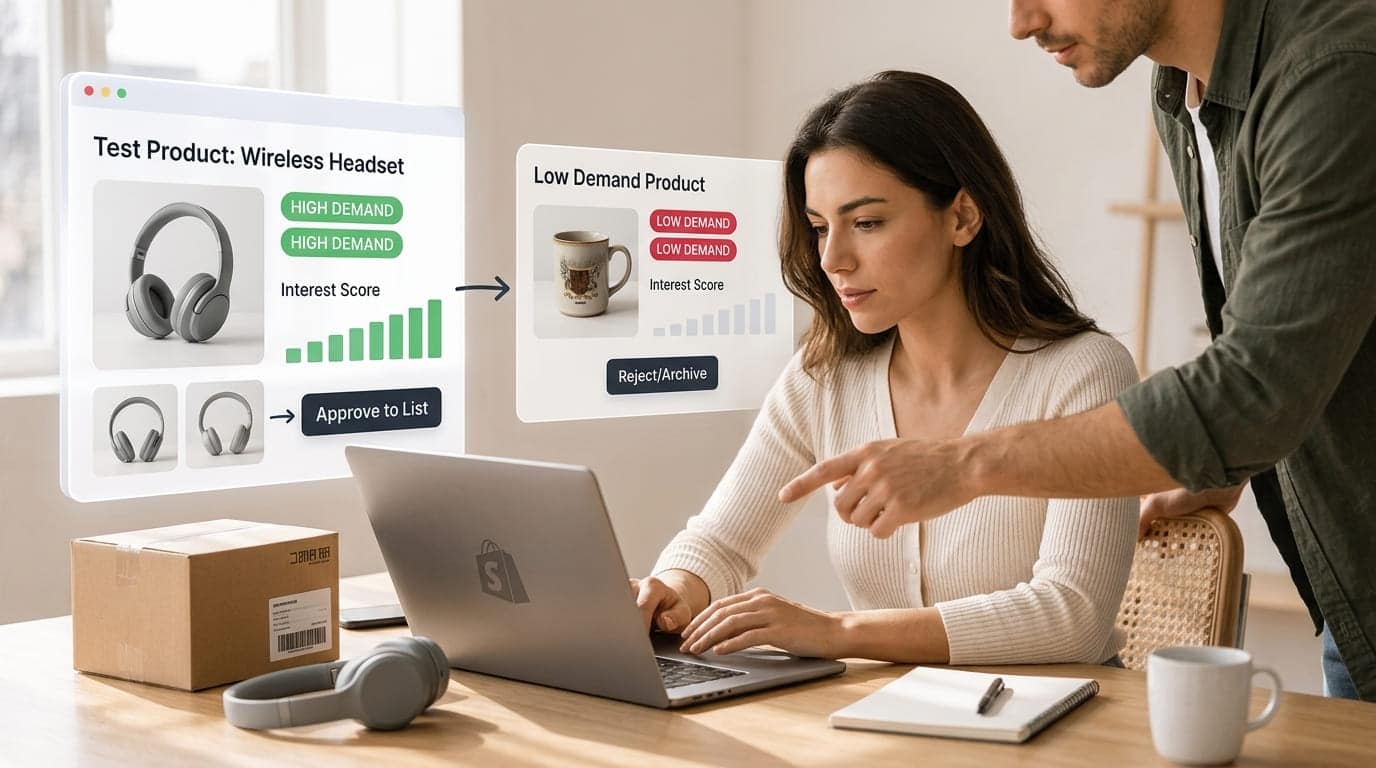
Test Products: Run small test campaigns or limited launches. Track clicks, conversions, and inquiries.
Check Reviews: Customer reviews expose expectations. They also reveal gaps you can outperform through better quality or service.
How to Create a Profitable Reverse Dropshipping Business?
To create a profitable reverse dropshipping business, focus on sourcing premium products from developed countries and sell online to customers in emerging markets.. Here’s your game plan:
1. Product Selection
Adhere to high-quality standards when selecting a product. To become a successful reverse dropshipper, opt for goods that are in high demand in their target market. Categories like security-related smart home devices, premium pet products, ergonomic office furniture, and organic beauty products are pretty popular among consumers in 2026.
You can also have some help from a reliable dropshipping product research tool, like Sell The Trend, to streamline the analysis of global trends.
2. Supplier Vetting
Finding reliable suppliers is crucial for a sustainable reverse dropshipping business. Choose a reverse dropshipper supplier that delivers consistent, high-quality products, manages international shipping, and responds to refund policies. Partnering with responsible reverse dropshipping suppliers minimizes shipping delays, controls higher shipping costs, and reinforces your store’s credibility online.
3. Setting Up an Online Store
After suppliers are secured, build your ecommerce foundation; your own online store. Your dropshipping website store should clearly communicate premium value and highlight high-quality products. It should be easy to use, fast to load, and optimized for both mobile and desktop users to provide a seamless shopping experience for everyone.
4. Store Branding
Your online store should communicate trust, premium value, and high-quality materials without confusing customers. From layout and typography to product images and descriptions, every element must showcase transparency, professionalism, and quality.
5. Order Fulfillment
In reverse dropshipping, efficient order fulfilment is key to customer satisfaction. To gain customers’ trust, search for reliable suppliers that fulfill timely deliveries and provide tracking information in real-time.
Too busy to track every order manually? Try Sell The Trend’s automation software to handle order tracking, supplier performance monitoring, and inventory updates from a single dashboard.
6. Assess Customer Satisfaction
Customer satisfaction is mandatory for building a steady reputation in any dropshipping business. Monitoring feedback, consistent, reliable service, and improving service quality help turn first-time buyers into repeat customers in foreign markets.
Many successful reverse dropshippers speed up this process by investing in a reverse dropshipping course. Enrol now in the Sell the Trend 2026 reverse dropshipping course to get guidance at every stage of your journey.
What Are the Best Reverse Dropshipping Products in 2026?
The best reverse dropshipping products in 2026 are products that feel premium, useful, and worth paying more for. Reverse dropshipping works best when items serve their intended purpose. In 2026, the most in-demand reverse dropshipping products include:
Smart home devices
Premium pet food and pet products
Luxury cosmetics and organic beauty products
Health supplements
Ergonomic office furniture
How to Become a Successful Reverse Dropshipper in 2026?
Becoming a successful reverse dropshipper in 2026 requires focus on quality, strategy, and customer satisfaction to maintain an online store. To build your own store that scales globally, begin with:
Choosing the Right Products: Go for items that deliver real value; luxury brands, premium gadgets, or anything people can’t easily get locally.
Working With Reliable Suppliers: Your suppliers can make or break your business. Choose ones who ship on time, maintain quality, and handle refunds smoothly. Don’t waste hours searching blindly. With Sell The Trend’s supplier database, you get instant access to thousands of reliable, vetted suppliers. See for yourself now.
Researching Your Market: Reverse dropshipping involves understanding the huge market for premium products. Analyze foreign markets, trends, and customer preferences to refine marketing strategies.
Smoothing Out Operations: Set up a local bank account to manage payments efficiently and provide convenient purchasing for your customers.
What Common Mistakes Should You Avoid in Reverse Dropshipping?
Common mistakes in reverse dropshipping include neglecting user experience, failing to focus on a specific niche, and poor management of multiple suppliers. Avoiding these pitfalls is essential for building a profitable and trusted e-commerce store. Here’s how each mistake can affect a successful reverse dropshipping business and what to watch out for:
1. Neglecting User Experience / Website Interface
Beyond offering reliable shipping, ensure your website is easy to navigate, product information is clear, and orders are delivered on time with transparent tracking. A seamless experience keeps customers satisfied, reduces refund requests, and strengthens loyalty.
2. Failing to Focus on a Specific Niche
Selling too many products without a clear niche can weaken your brand. Instead, focus on categories that are currently in high demand to attract the right audience and boost sales.
3. Poor Management of Multiple Suppliers
Handling multiple suppliers without organization leads to missed deadlines and inconsistent quality. When handling more than one distributor make sure to track orders, maintain clear communication, and standardize quality control processes across all suppliers.
Final Thoughts
Reverse dropshipping is a strategic way to sell products globally while focusing on quality, customer satisfaction, and premium pricing. By sourcing high-quality goods from developed countries and selling them in emerging markets, you can generate higher profit margins.
Success comes down to mastering four key moves: choosing the right products, working with reliable suppliers, positioning your ecommerce store like a pro, and monitoring order fulfillment.
Want to hit the ground running? Sell The Trend gives you everything you need in one place: product research, supplier vetting, and automated order management. It’s like having a complete toolkit to launch a profitable, scalable reverse dropshipping business across global markets.
Reverse Dropshipping FAQs
1. What Is Reverse Dropshipping?
Reverse dropshipping is an e-commerce business model where sellers source high-quality products from developed countries and sell them in emerging markets. Unlike traditional dropshipping, it focuses on premium goods, luxury brands, and offers high quality to customers willing to pay higher prices.
2. Is Reverse Dropshipping Legal?
Yes, reverse dropshipping is legal if sellers follow import and export laws, customs regulations, and product compliance requirements in the destination country. The business model itself does not violate standard e-commerce or trade laws.
Key legal considerations include:
Customs and import regulations: Products must comply with local import rules to ensure smooth international shipping and avoid fines.
Taxes and duties: VAT, sales tax, or import duties may apply and should be included in pricing where required.
Compliance with local consumer protection laws: Ensure your products comply with local health, safety, and consumer protection laws.
3. Is Reverse Dropshipping Profitable?
Yes, reverse dropshipping can be highly profitable. By selling premium products from developed countries to customers in emerging markets, sellers can achieve higher profit margins than traditional dropshipping.
4. What Countries Are Best for Reverse Dropshipping?
The best countries for reverse dropshipping are emerging markets with high demand for premium products and strong online shopping growth. Sellers source high-quality goods from developed countries and sell them in regions such as China, Indonesia, and the Middle East, tapping into a huge market.
Lisa is an eCommerce and digital marketing specialist with over 6 years of experience helping online businesses grow through data-driven strategy and hands-on execution.
She has worked across dropshipping and direct-to-consumer channels, focusing on product research and performance marketing. At Sell The Trend, she creates practical, research-backed content to help merchants make confident decisions.