By consolidating product research, ad validation, supplier sourcing, and store creation into Sell The Trend, Rebeca simplified her operation and built a scalable process that could be repeated again and again.
Business Area
Before Sell The Trend
After Using Sell The Trend
Time to Launch
3–4 days to research, build, and launch a new store with winning products.
Reduced to ~5 minutes using the 1-Click SellShop Builder and pre-validated products
Product Research Time
2–3 hours per product using manual scrolling and guesswork
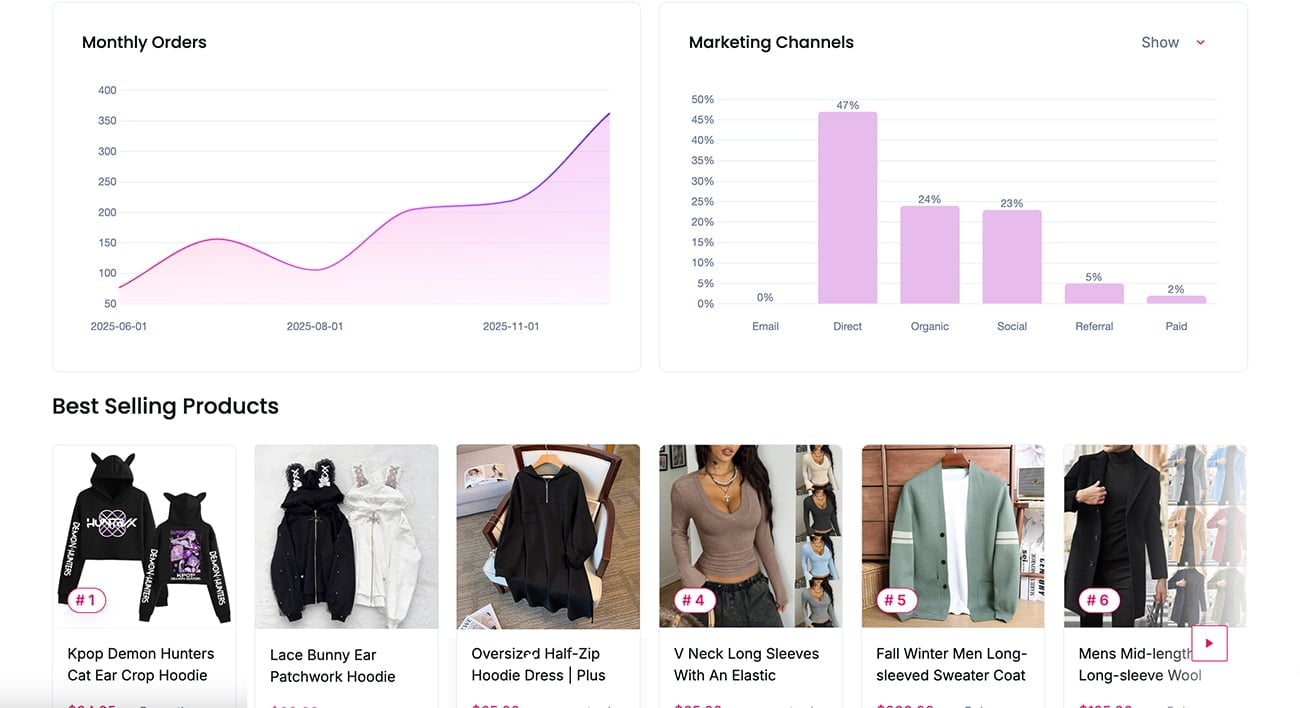
Reduced by ~80% using NEXUS AI Product Research Tool and niche filters.
Store Setup Overhead
Required Shopify setup, theme configuration, and multiple apps
Instant AI-powered store creation using SellShop, no Shopify required
Monthly Software Costs
~$160/month across product research, ad spy, supplier tools and store platform (Shopify)
Eliminated ~$60/month by consolidating tools inside Sell The Trend
Product Validation Accuracy
High trial-and-error, frequent failed launches
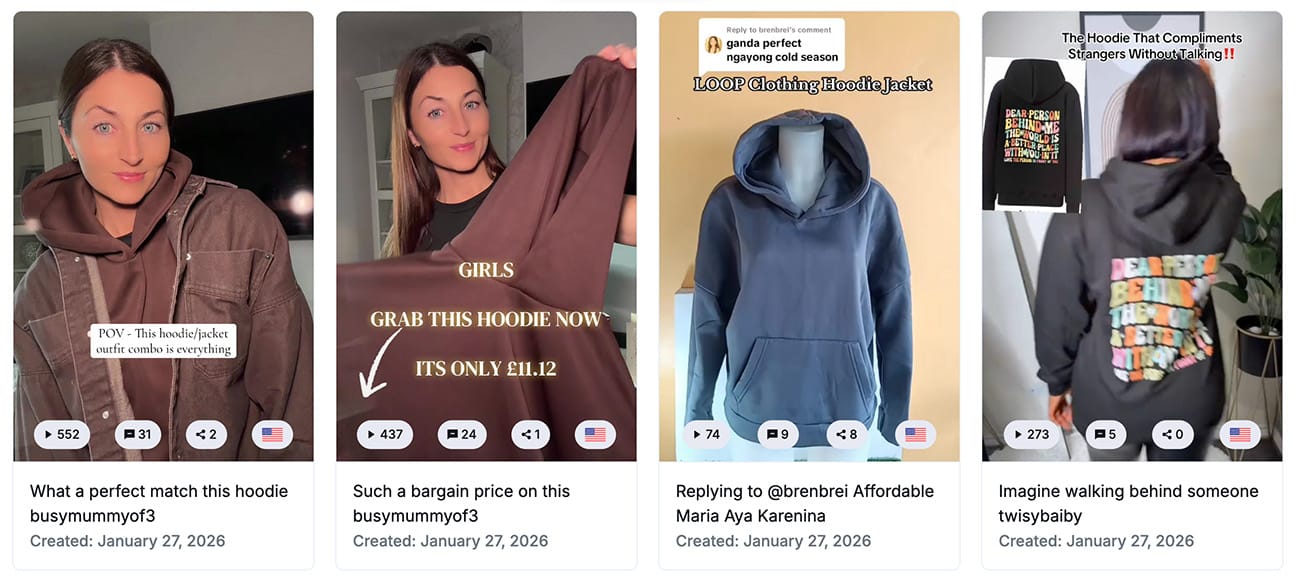
Significantly improved by validating with TikTok & Facebook Ads Explorers before testing
Supplier Selection
Manual vetting with inconsistent shipping and quality
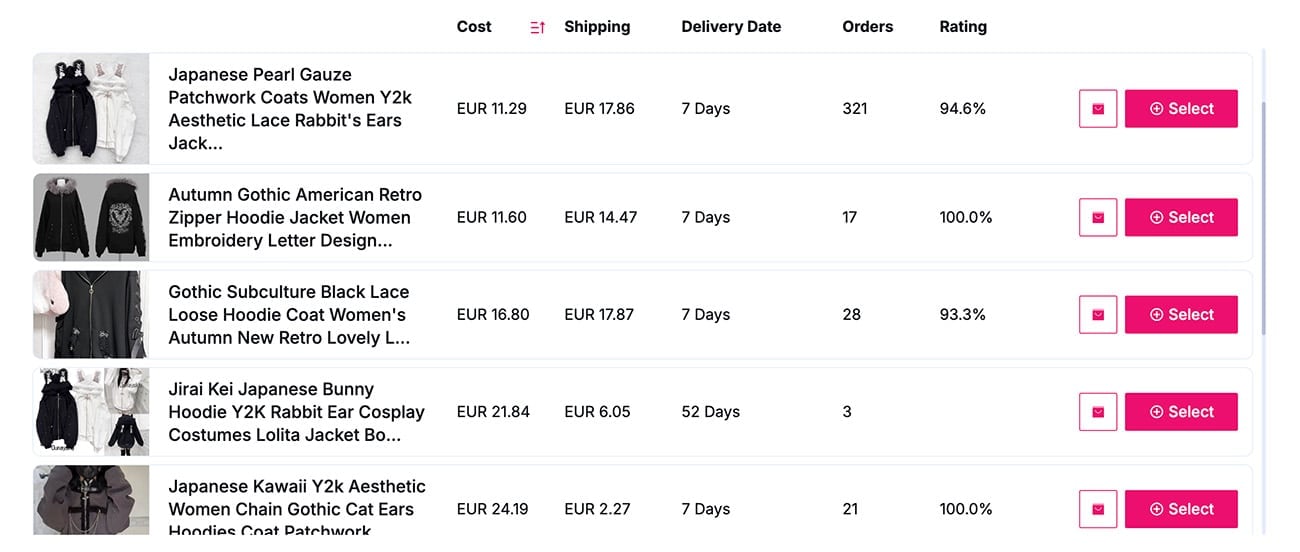
Streamlined supplier choice using ranked & rated supplier database
Fulfillment Speed
Manual order routing and slow supplier coordination
Fulfillment time reduced by ~90% using bulk order fulfillment features.
Competitive Research
Limited visibility into competitor performance
Full transparency using Store Intelligence to analyze top fashion stores
Testing Confidence
“Hope it works” launches
High-confidence testing backed by real demand and ad data
Scalability
Difficult to repeat process consistently
Built a repeatable system for launching and scaling new fashion products
TL;DR — What This Case Study Actually Shows
This case study shows how an experienced dropshipper replaced manual research, app stacking, and slow store setup with one unified system and reducing her monthly tool overhead by 60%.
By using Sell The Trend for product discovery, ad validation, competitor analysis, supplier selection, and instant store creation, Rebeca was able to launch faster, reduce overhead, and make product decisions based on real demand — not guesswork.
The result wasn’t a one-off win, but a repeatable process for testing and scaling fashion products in a highly competitive niche.
If you’ve been in dropshipping long enough, you eventually realize something:
Hard work isn’t the problem.
Guesswork is.
My name is Rebeca Matei and I’ve been in ecommerce for over five years. I’ve launched multiple stores, worked across different niches, and spent countless hours testing products, ads, and offers.
But fashion — especially hoodies and streetwear — taught me a hard lesson:
Experience alone doesn’t protect you from bad timing.
This is the story of how I changed how I choose products, not just what I sell — and how Sell The Trend became the system behind that shift.
Why Fashion Finally Forced Me to Change My Process
I focus on fashion apparel, mainly:
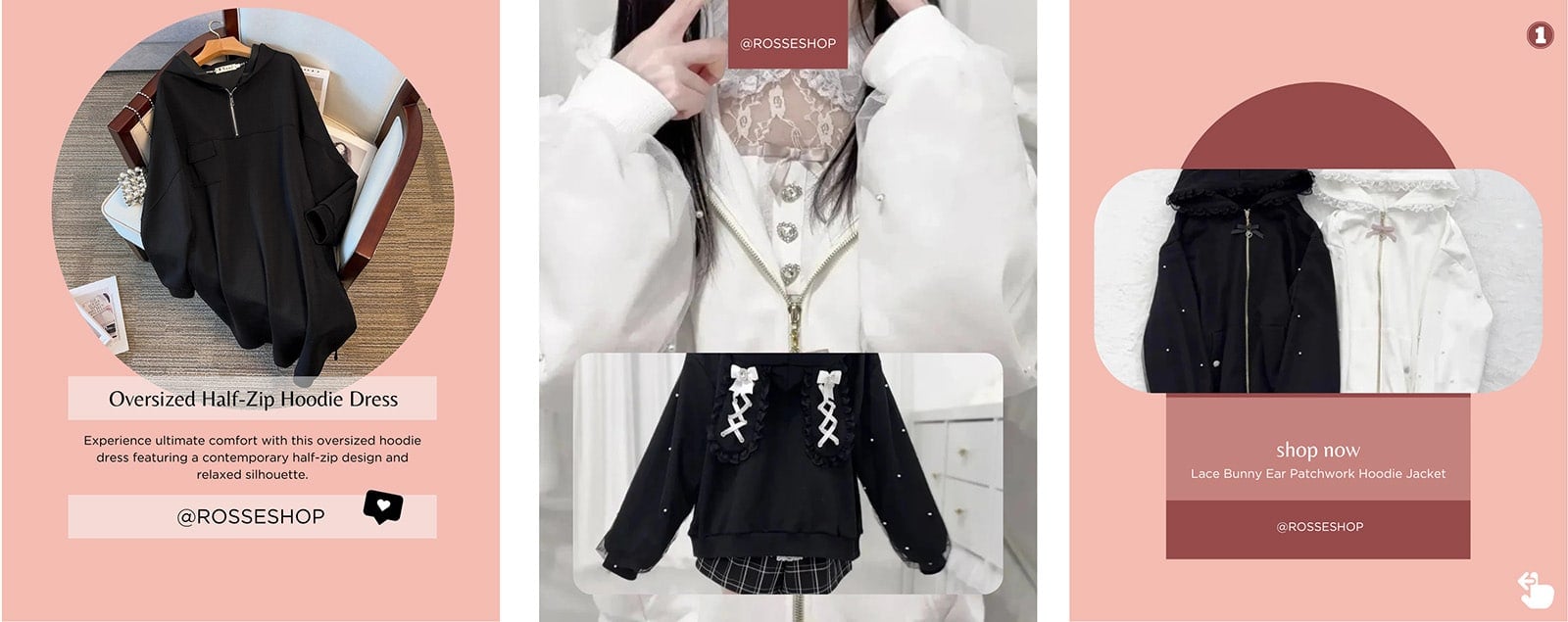
Hoodies
Sweatshirts
Casual, trend-driven streetwear
It’s a great niche — but it’s brutal.
Trends move fast.
Products get saturated quickly.
And once you’re late, ads stop working no matter how good your store looks.
Before Sell The Trend, my research process looked like what most experienced sellers do:
Scroll social media
Check marketplaces
Look at competitors
Trust my gut
Sometimes it worked.
Sometimes it didn’t.
The real issue was that everything was manual. Research took too long, and by the time I felt confident, the opportunity window was already closing.
I didn’t need more effort — I needed earlier signals.
The Fragmentation Tax (What App-Stacking Really Costs)
Before switching to Sell The Trend, my workflow was split across too many tools:
Shopify for the store.
One tool for product research.
Another for ad spying.
A separate app for suppliers and fulfillment.
Each tool worked on its own — but together, they slowed everything down.
This “fragmentation tax” didn’t just cost money. It cost speed, focus, and timing.
Every extra login, sync issue, or manual step added friction between spotting a trend and actually launching it. And in fashion, that delay is often the difference between catching a trend early or arriving too late.
Sell The Trend removed that friction by consolidating research, validation, suppliers, and store creation into a single system — which dramatically shortened my trend-to-launch window.
STEP 1: From Guessing to Filtering With NEXUS AI
When I started using Sell The Trend, the biggest change was speed and clarity.
Because everything was centralized, I didn’t have to jump between platforms or spreadsheets. Using the AI Supplier Finder was key in comparing all the available suppliers for the hoodies i was planning on listing and promoting.
I knew exactly who I was working with before I sold a single unit.
STEP 5: The Turning Point: Building My Store with SellShop
Here’s where things really changed.
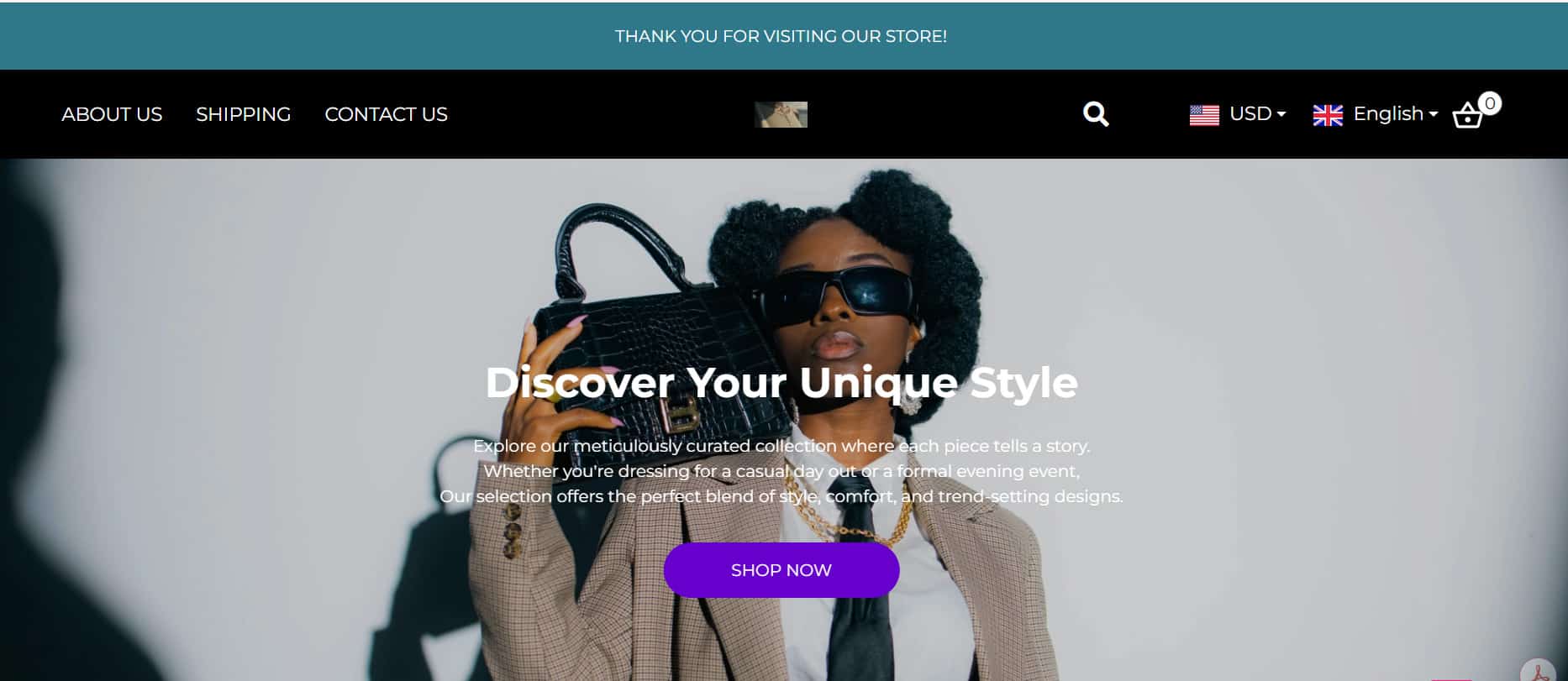
Instead of setting up another Shopify store, installing apps, and configuring themes, I used SellShop.
Within the same platform I was already using for research, I:
Instantly created a complete fashion store
Launched without touching Shopify
Avoided plugins, integrations, and technical setup
Why Skipping Shopify Actually Matters (More Than Most Sellers Realize)
For intermediate sellers, Shopify isn’t just a platform — it’s a monthly bill stack.
By the time you factor in themes, automation apps, ad tools, and supplier plugins, you’re often paying $80–$150/month just to keep a test store running.
Using SellShop meant I didn’t need:
A Shopify subscription
Paid themes
App add-ons for fulfillment, research, or product imports, customer reviews
I could launch, test, and iterate without committing to another monthly overhead line item.
That changes how aggressively you can test new products because the cost of experimentation drops dramatically.
Sell The Trend didn’t just help me find products — it changed how I make decisions.
Final Thoughts
If you’re an intermediate seller, you already know this:
Guessing doesn’t scale.
Speed matters.
Timing is everything.
Sell The Trend gave me a system that keeps up with the pace of ecommerce — especially in fashion.
And once you stop guessing, everything else gets easier.
The tools I used are available to anyone — you can check them out here for free.
FAQ
1. What specifically changed in Rebeca’s process that led to better results?
Answer:
The biggest change was moving from manual guesswork to a data-driven workflow. Instead of scrolling social media or marketplaces hoping to spot trends, Rebeca used Sell The Trend’s NEXUS Product Research, Ad Explorers, and Store Intelligence to validate demand before launching. This allowed her to enter trends earlier, avoid saturated products, and test with confidence instead of hope.
2. Did Rebeca need Shopify or multiple tools to build her store?
Answer:
No. Rebeca built and launched her entire fashion store using SellShop, Sell The Trend’s built-in AI store builder. She didn’t need to spin up a Shopify store, install apps, or manage integrations. Product research, store creation, supplier selection, and testing were all handled inside a single platform, which significantly reduced setup time and friction.
3. How did Sell The Trend help her avoid oversaturated fashion products?
Answer:
Rebeca used a combination of NEXUS Product Research, Store Intelligence, and the TikTok & Facebook Ads Explorers. This allowed her to see how many stores were already selling a product, whether ads were actively running, and which styles were gaining momentum. If a product showed signs of heavy saturation or declining interest, she skipped it entirely — saving time and ad spend.
4. What kind of costs or tools did Sell The Trend replace for her?
Answer:
Sell The Trend reduced Rebeca’s monthly tool overhead by 60% by replacing four standalone apps, including product research software, ad spying tools, supplier directories, and store setup apps. By using one platform for research, validation, suppliers, and store creation, Rebeca reduced both monthly software overhead and the mental cost of juggling disconnected tools.
5. Is this approach realistic for intermediate dropshippers, or only experts?
Answer:
This approach is especially effective for intermediate sellers. Rebeca already understood the basics of dropshipping, but Sell The Trend helped her operate with more speed, clarity, and control. The platform doesn’t require technical expertise — it simply replaces guesswork with structured decision-making, which is exactly what sellers need once they move beyond beginner tactics.
Rebeca Matei is an active ecommerce merchant with over five years of experience in the trend-driven fashion and streetwear niches. By transitioning from manual app-stacking to AI-automated workflows, she reduced her monthly operational overhead by 60% while eliminating the guesswork from product validation and store scaling.