Created: 30 September 2024 Updated: 1 October 2026
Contents
The best dropshipping suppliers in Australia for 2026 include Sell The Trend, Dropship Zone, Ozdingo, and Kogan. These top suppliers offer faster domestic shipping through Australian warehouses, ensuring delivery times of just 1 to 7 days. By using an automation platform like Sell The Trend, you can find great products and start selling in the market with high profit.
Who Are the 30 Best Dropshipping Suppliers in Australia in 2026 and How To Start Dropshipping Products?
The 30 best dropshipping suppliers in Australia are Sell The Trend, Dropship Zone, Ozdingo, Kogan, CJDropshipping, AliExpress, Spocket, SaleHoo, Syncee, Printful, Dear Jane Medical, Factory Fast, BrandsGateway, AppScenic, DHGate, Banggood, Modalyst, Doba, Inventory Source, Wholesale2B, Worldwide Brands, Sunrise Wholesale, Megagoods, Simply Wholesale, Catch, Colourblocker, iDropship, Australian UGG Original, T-Pop, and Gelato.
These Australian dropshipping suppliers let you scale an online store by offering a wide range of products without upfront costs or inventory. To see which products are selling right now from Australian suppliers, Sell The Trend’s ecommerce data lists weekly picks along with their costs, selling prices, and profit per sale
No title
Pro Tip: To succeed in your dropshipping business, you must vet multiple suppliers to ensure they maintain high-quality products and the best shipping standards.
Yes, starting a dropshipping business in Australia is still highly lucrative in 2026 due to the country’s high purchasing power and rapid digital adoption. With the market expected to surpass $69 billion in total e-commerce sales this year, entrepreneurs have a massive opportunity to start selling to a tech-savvy population.
Success in dropshipping depends on choosing reliable suppliers who can meet the high customer expectations for quality and speed.
Analyzing the 2026 Australian E-commerce Landscape: Why is it Interesting?
Australia’s online retail scene has reached new heights in 2026, making it an ideal environment for any online store. Currently, about 94% of Australians are active internet users, and nearly 10 million households participate in online shopping as of 2024.
No title
Pro Tip: This shift means that 16.8% of all retail spend is now occurring online, a significant increase from approximately 10% in the pre-2020 era.
Take a look at some stats.
Statistic
2026 Market Value
Projected E-commerce Sales
Over $69 Billion
Internet Penetration
94%
Households Shopping Online
~10 Million
Online Share of Retail Spend
16.8%
GDP Per Capita
~US$60,000
Avg. Online Revenue Per User
~US$2,400
The high GDP per capita of roughly $60,000 ensures that consumers have the disposable income to invest in quality products. With an average online revenue per user of about $2,400, your dropshipping business can achieve significant profit margins if you offer the right items. However, managing costs and delivery times is vital because the country’s geographic spread can affect customer satisfaction.
Why Is Sell The Trend the #1 Solution for Australian Dropshippers in 2026?
Sell The Trend is the #1 dropshipping solution because it uses NEXUS AI predictive product discovery to analyze millions of data points, helping you find quality products before they saturate the market.
Instead of guessing what will sell, you can use data-driven insights to start selling items with proven demand and high profit.
The platform is specifically designed to help you find reliable dropshipping suppliers who offer faster domestic shipping from Australian warehouses. In 2026, Sell The Trend updated its pricing to make it more accessible to new entrepreneurs. This transparent approach to subscription fees ensures you can scale your online store without worrying about hidden costs.
No title
Pro Tip: Beyond just a supplier directory, Sell The Trend offers advanced tools like Store Intelligence and the Interest Explorer.
These features allow you to spy on successful Shopify store competitors in Australia to see exactly what they are selling and how they are marketing their dropshipping products. By leveraging these tools, you can ensure your dropshipping venture remains competitive and profitable throughout 2026.
Integration is seamless across major ecommerce platforms like Shopify and WooCommerce, allowing for 1-click product imports and automated order fulfillment. This level of automation is essential for maintaining customer satisfaction by ensuring good shipping without manual errors.
Whether you are looking for niche products or everyday essentials, Sell The Trend provides the infrastructure to build a professional and successful brand.
Detailed Breakdown: Who Are The 30 Best Dropshipping Suppliers in Australia for 2026?
To build a successful online store, you need to partner with reliable suppliers who understand the unique logistics of the region. Below is our comprehensive review of the top 30 dropshipping suppliers in Australia, helping entrepreneurs achieve high profits in 2026.
1. Why is Sell The Trend the #1 Automation Option?
Sell The Trend is the most powerful tool for anyone looking to find the best dropshipping suppliers and trending items for their Shopify store. It functions as an all-in-one platform for automation, connecting you with verified suppliers who offer faster domestic shipping from Australian warehouses.
In 2026, Sell The Trend remains the superior option for finding quality products because it vets every supplier for reliability and top-notch customer service.
Dropship Zone is one of the best-known Australian dropshipping suppliers, offering a vast catalog covering electronics, fashion, and homeware. They operate from multiple local warehouses, which allows them to offer delivery in just 1 to 7 days for most dropshipping products.
This speed is essential for meeting customer expectations and maintaining high levels of customer satisfaction in 2026.
If you are looking for everyday essentials and practical products, Ozdingo is a reliable choice among Australian dropshipping suppliers. They are highly regarded for their quick order processing and for offering free shipping on many of their items. This can significantly reduce your overall costs, allowing you to offer more affordable prices to your customers while keeping your profit margins healthy.
Kogan is a giant in the market, offering a vast product range, particularly strong in the tech and lifestyle categories. They have a sophisticated domestic shipping network that ensures your online store can offer reliable shipping to even the most remote parts of the country. By sourcing from Kogan, you offer high-quality products Australians already know and trust.
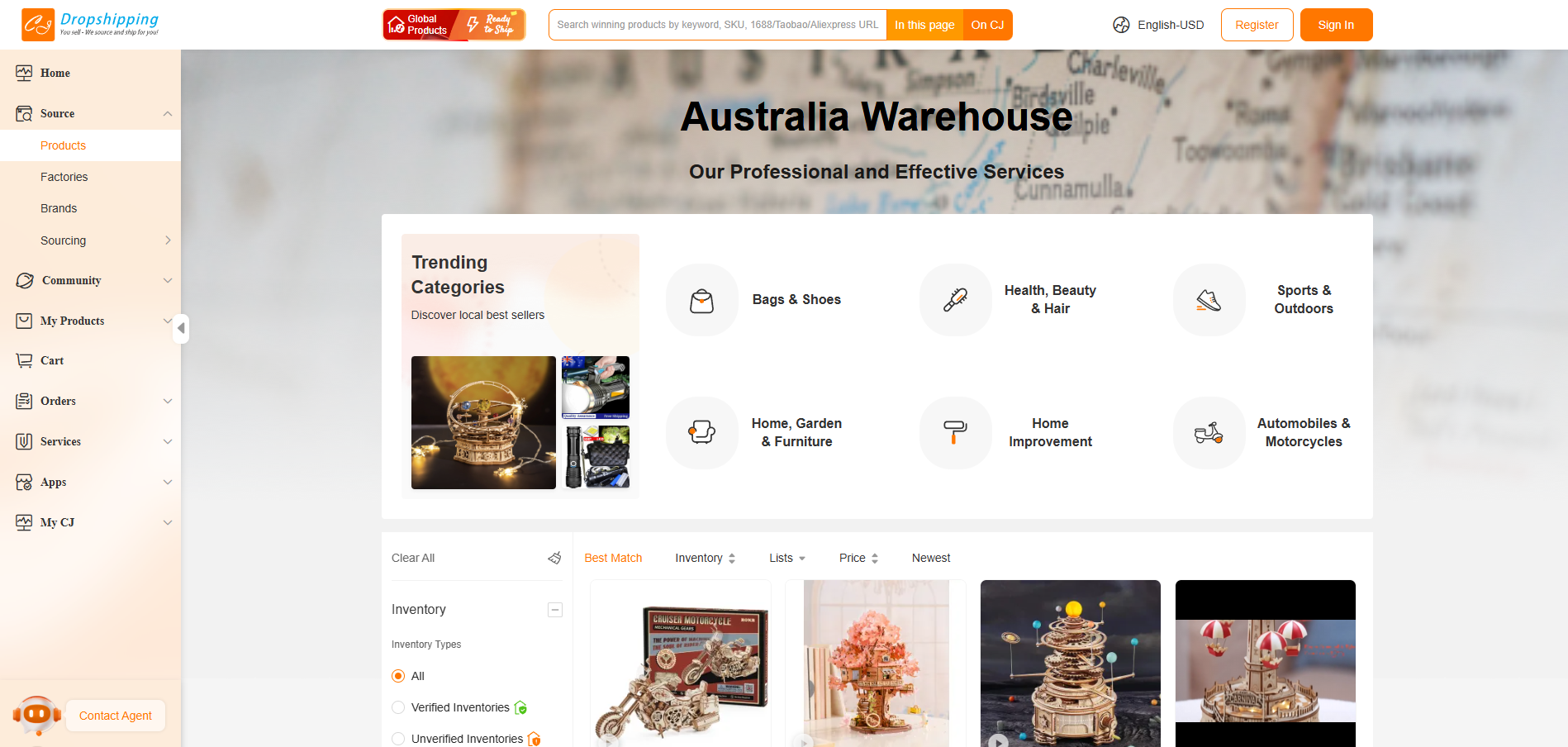
CJDropshipping remains a global leader that has invested heavily in Australia, with its own local warehouses. They offer millions of SKUs and specialized services, including POD and private labeling. This makes them one of the best suppliers for entrepreneurs who want to build a unique brand with custom options and branded goods in 2026.
AliExpress remains a powerhouse for sourcing on a global scale, offering a huge catalog of dropshipping products at highly affordable prices. While it is an overseas suppliers hub, it is an excellent place to find niche products to test in your Shopify store before committing to larger stock. However, you must vet these dropshipping suppliers carefully to ensure they meet Australian customers’ quality expectations.
No title
Pro Tip: To avoid the risk of choosing the wrong supplier, many successful sellers on Shopify use Sell The Trend’s Supplier Finder to filter for high-rated vendors. This allows you to benefit from low upfront costs while maintaining a high standard.
No title
Using data-driven filtering helps you identify which international suppliers on AliExpress actually provide reliable shipping to the market.
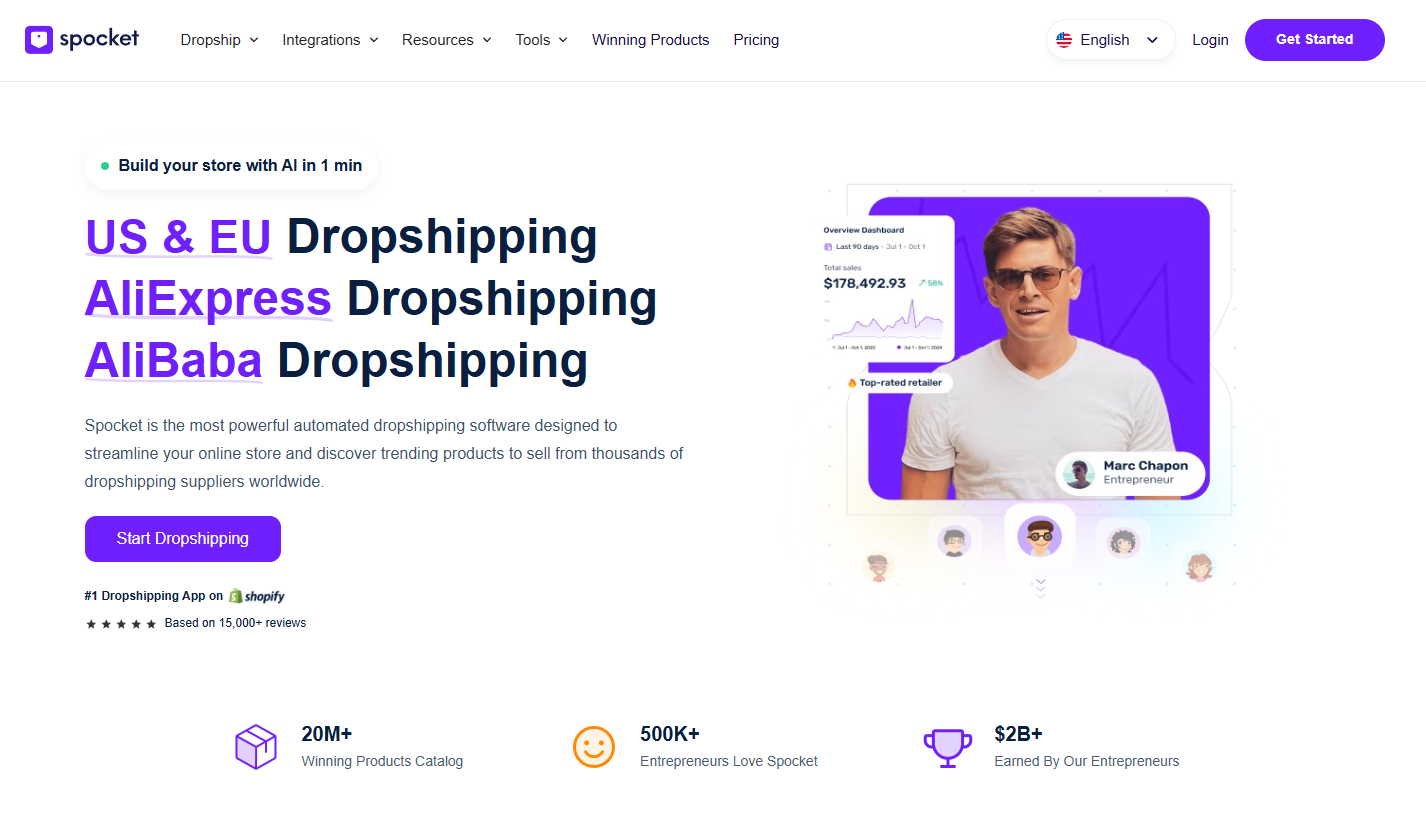
Spocket is one of the top suppliers for those prioritizing quality products from pre-vetted suppliers. They focus heavily on premium goods from the US, EU, and increasingly, the entire market in AU. This focus on quality control helps you build a dropshipping business that specializes in high-end branded goods and niche products.
Their platform offers seamless integration with major ecommerce platforms, making inventory management simple and efficient. By choosing the best suppliers through Spocket, you can often access faster shipping options that reduce the delivery time for your Australian customers.
This is a critical factor for maintaining a high profit while ensuring that your online store stands out from the competition.
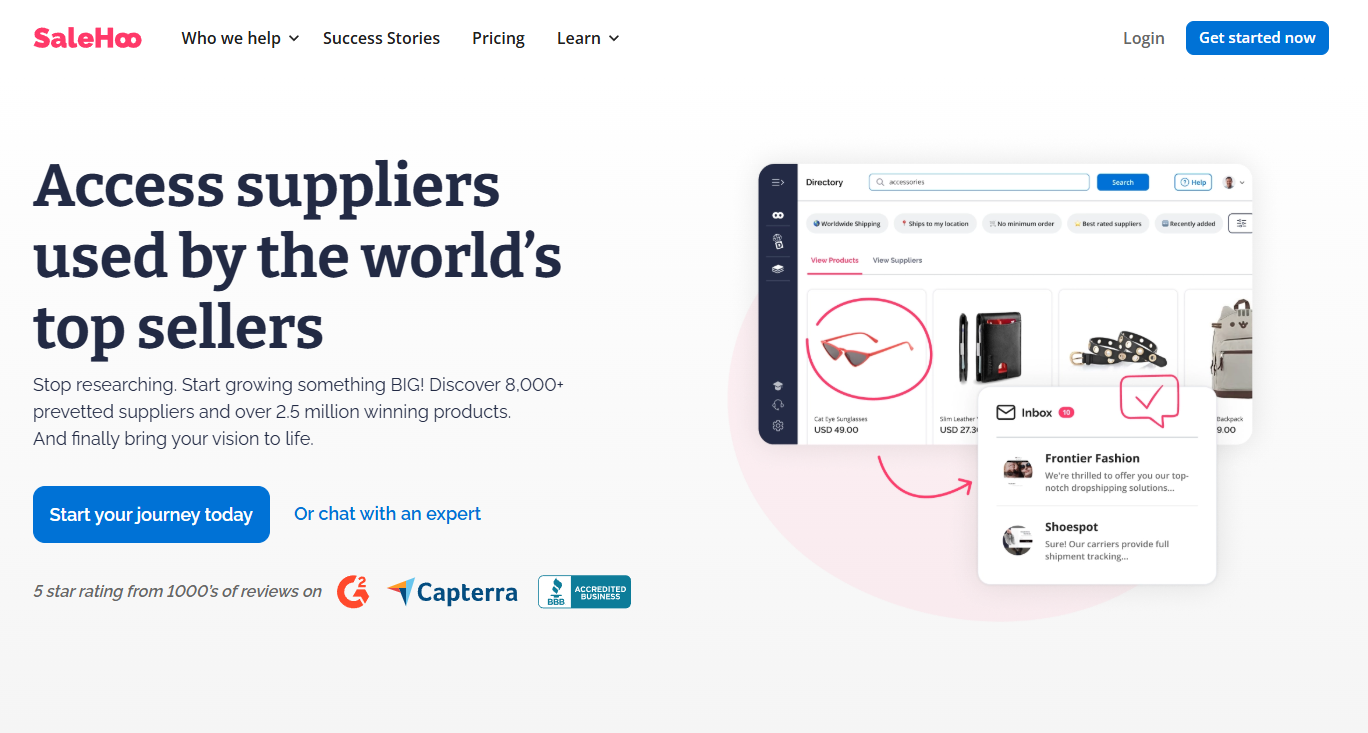
SaleHoo is an extensive supplier directory that provides access to over 8,000 suppliers and wholesalers. It is particularly useful for finding reliable dropshipping suppliers in Australia who have already been screened for safety and quality. This reduces the risk that your dropshipping venture will be affected by poor service or fraudulent vendors.
Using SaleHoo lets you explore both local and international suppliers with confidence. It is a great resource for identifying niche dropshipping suppliers offering unique products not found on general marketplaces.
No title
Pro Tip: For a low annual membership fee, you gain the ability to find dropshipping suppliers that can help you achieve long-term dropshipping success.
Syncee is a powerful tool that connects your Shopify store to millions of products from local and international suppliers. It simplifies global sourcing by automating product uploads and real-time management. This ensures that your online store always reflects accurate stock levels, which is vital for preventing order cancellations.
One of the key benefits of Syncee is the ability to easily import products from Australian suppliers with just a few clicks. This allows you to offer faster domestic shipping from Australian warehouses, significantly improving sales. Whether you are looking for everyday essentials or branded products, Syncee provides a wide array of options for your dropshipping business.
If your dropshipping venture focuses on custom products, Printful is the leading print-on-demand provider with warehouses and fulfillment centers in Australia. This local presence allows for faster shipping of apparel, home decor, and accessories compared to shipping from overseas. You can offer high-quality products that are printed and shipped locally, ensuring quick delivery times.
Dear Jane Medical is a specialized choice among niche dropshipping suppliers in Australia, focusing on the healthcare and wellness sector. They provide medical-grade products and equipment that often command a high profit. For an online store targeting the aging population or wellness enthusiasts, they are one of the best suppliers available in 2026.
Factory Fast is an excellent option for niche suppliers focusing on home improvement, fitness equipment, and garden DIY. Because they operate from Australian warehouses, they can offer solid shipping and delivery times of just a few days. Their wholesale model allows you to start selling bulky items like furniture with relatively low shipping costs compared to international alternatives.
For entrepreneurs building a premium brand, BrandsGateway offers a massive selection of luxury clothing and branded products. They are known for providing high-ticket items that can lead to significant profit margins per sale. They offer dropshipping services with high-quality imagery and descriptions, making it easy to quickly build a professional-looking online store.
AppScenic offers high-end automation that connects sellers on Shopify with international and local suppliers. They prioritize automated fulfillment and high-standard quality products, which are essential for maintaining a strong brand reputation. Their product range includes everything from fashion to tech gadgets, all from verified suppliers.
DHGate is a popular choice for global sourcing of electronics and athletic gear at good prices.
No title
Pro Tip: While they are primarily overseas suppliers, you can use Sell The Trend’s Ad Explorer to see which of their products are currently trending in the market.
This allows you to import products that have already proven their demand among local consumers.
16. Why is Banggood Australia Sixteenth on Our List?
Banggood is an excellent choice for global sourcing of electronics, gadgets, and home accessories at affordable prices. Although they are considered overseas suppliers, they offer a large catalog and have significantly reduced shipping costs to Australia.
No title
Pro Tip: You can use Sell The Trend’s Store Intelligence to see which Banggood items are performing well for other Shopify sellers before you import products to your own site.
Modalyst focuses on high-end branded products and independent labels, making it a favorite among online stores targeting a premium demographic. They connect you with pre-vetted suppliers who offer high-quality products that are often unique to their platform. This focus on premium products allows for a high profit margin while reducing the risk of competing solely on price.
Doba is a massive supplier directory and fulfillment system that simplifies the way you find dropshipping suppliers. They offer a wide array of dropshipping products across hundreds of categories, all manageable from a single dashboard. This is a great way to manage multiple suppliers without the complexity of logging into dozens of different accounts for your business.
Catch is a major player in the Australian market, and while it is a marketplace, it serves as a powerful source of local suppliers for many. They have a vast product range and ship from Australian warehouses, ensuring delivery times of just a few days. Integrating Catch products into your online store can help meet high customer expectations for speed and reliability.
20. Why is Simply Wholesale Twentieth on Our List?
Simply Wholesale is one of the most reliable dropshipping suppliers in Australia, offering thousands of products across diverse categories. They provide dropshipping services tailored to the local landscape, ensuring products reach customers quickly. Their wholesale model is designed to support a growing venture by keeping minimum order quantities low or non-existent.
21. Why is Colourblocker Twenty-First on Our List?
If your store’s niche is unique kitchen gadgets, home decor, or quirky gifts, Colourblocker is a top choice among niche dropshipping suppliers. They are Australian suppliers who focus on “problem-solver” products that often go viral on social media.
No title
Pro Tip: You can use Sell The Trend’s NEXUS AI to validate the demand for these items before adding them to your online store.
iDropship is a premier choice for entrepreneurs looking to sell high-ticket furniture and premium Australian-made lifestyle goods in Australia. Unlike many competitors, they offer white-label packaging, ensuring that products shipped to your customers contain no supplier branding, thereby helping protect your brand identity. This focus on high-quality and premium products allows for much higher profit on every sale.
They provide a proprietary direct Shopify integration that makes management and price updates a breeze for Shopify sellers.
No title
Pro Tip: With local warehouses primarily on the East Coast, they can offer faster domestic shipping times of just 1–3 days to major metro areas like Melbourne, Sydney, and Brisbane. Since there are no monthly fees or registration costs, it is a risk-free new supplier to add to your online store in 2026.
23. Why is Australian UGG Original Twenty-Third on Our List?
Australian UGG Original is a world-renowned niche supplier specializing in authentic, Australian-made sheepskin boots and accessories. They offer a dedicated dropshipping program that lets you sell high-demand, high-ticket items without holding any inventory. Because UGG boots are a global symbol of Australian quality, this supplier is ideal for an online store seeking a high profit margin per sale.
They provide stable shipping from their Sydney-based factory, ensuring that products shipped reach local customers within a few business days. Their dropshipping services include high-quality product photography and descriptions, making it easy to import products and maintain a premium look for your Shopify store.
No title
Pro Tip: By targeting international markets with these authentic Australian goods, you can build a highly successful business in 2026.
For those interested in print-on-demand with an eco-friendly focus, T-Pop offers a unique selection of sustainable custom products. While they ship globally, their seamless integration with major ecommerce platforms makes managing orders simple. You can offer branded items that appeal to the growing demographic of environmentally conscious shoppers in the Australian market.
Gelato is a massive print-on-demand network with local production in Australia, ensuring that products are shipped from nearby facilities. This local fulfillment leads to faster domestic shipping and significantly lower shipping costs for your business. They offer a ton of items, from wall art to apparel, all available for your Shopify store.
26. Why is Inventory Source Twenty-Sixth on Our List?
Inventory Source is a platform that boosts automation and syncs your online store with your supplier’s inventory in real-time. This prevents the “out-of-stock” errors that can harm your reputation and lead to poor reviews. They work with many of Australia’s best dropshipping suppliers, providing a robust solution for automated inventory management.
27. Why is Wholesale2B Twenty-Seventh on Our List?
Wholesale2B provides an all-in-one business solution that gives you access to over a million products from hundreds of verified suppliers. They handle the heavy lifting of order processing, allowing you to focus on marketing your dropshipping products. Their system is designed for Shopify sellers who want a hands-off approach to managing their dropshipping.
28. Why is Worldwide Brands Twenty-Eighth on Our List?
Worldwide Brands is a high-end supplier directory that guarantees you are working with factory-direct wholesalers. This is the best way to avoid hidden fees and ensure you are getting the lowest possible prices for your online store. By working with these suppliers, you can secure the profit margins necessary for long-term growth in the AU market.
29. Why is Sunrise Wholesale Twenty-Ninth on Our List?
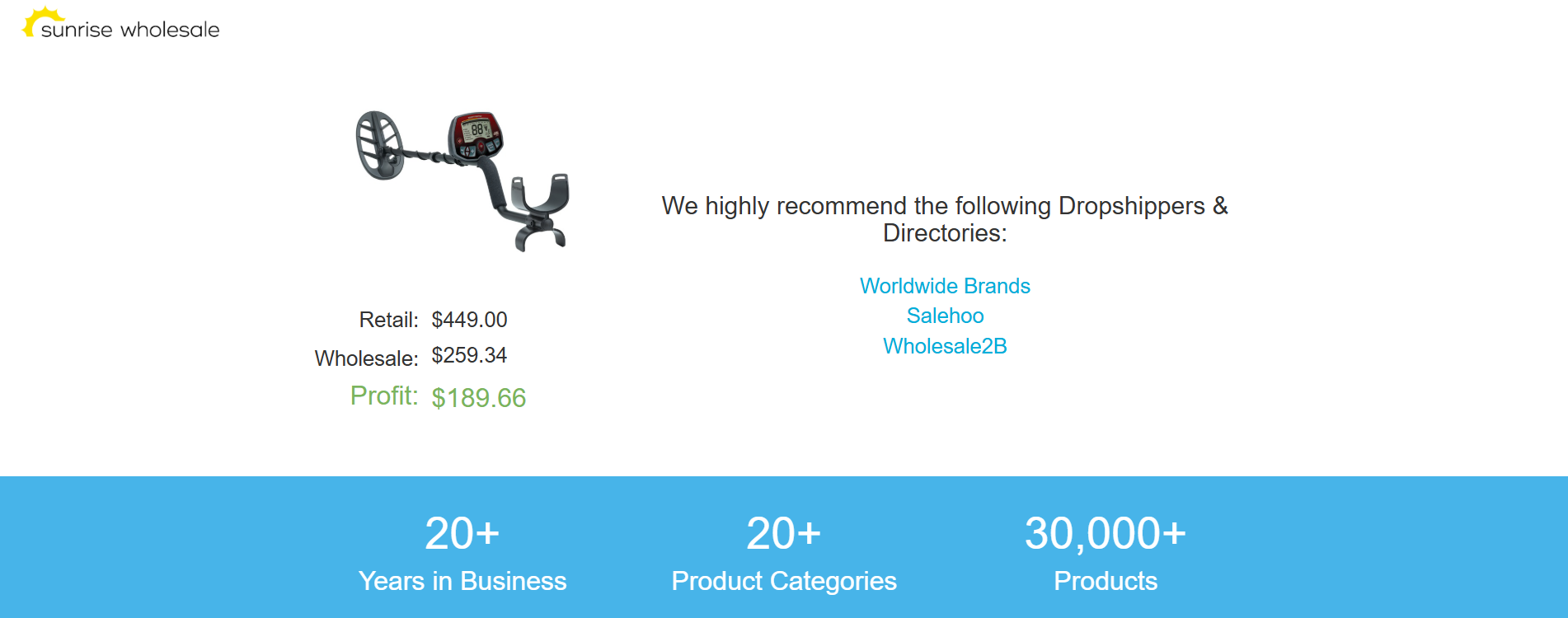
Sunrise Wholesale offers a variety of products and features an excellent integration with platforms like Shopify and eBay. They are known for their excellent shipping and lack of complex membership fees, making them accessible for beginners. You can start selling a variety of items, from electronics to home decor, with very low upfront costs.
Megagoods focuses on consumer electronics and video games, providing a product range that is always in high demand. As one of the best suppliers for tech enthusiasts, they offer a simple dropshipping model that scales easily. Their focus on great products and fast fulfillment makes them a solid final entry in our list of the best dropshipping suppliers in Australia.
Step-by-Step Guide: How to Start Your Online Store in Australia in 2026?
Setting up a successful venture in Australia requires a clear strategy and the right digital tools. While the barrier to entry is low, following these legal and operational steps will ensure your long-term growth and healthy profit margins.
Step 1: Register Your Australian Business Number (ABN)
Before you can start selling, you must register for an ABN. This is a mandatory legal step for anyone operating as a trader in Australia. Having an ABN allows you to work professionally with dropshipping suppliers and ensures you are compliant with local tax laws.
Step 2: Choose a Profitable Store’s Niche
Selecting the right category is vital for your Shopify store. You should look for areas with high demand, such as pet supplies or specialized home goods. Use Sell The Trend to analyze a vast product range and identify which items are currently viral among local consumers.
Step 3: Find and Vet Your Suppliers in Australia
Use a reputable supplier directory to find dropshipping suppliers that offer faster shipping to Australian customers. Always check for hidden fees and compare different subscription fees or monthly fees. A free plan or trial can help you test automation features before you commit.
Step 4: Build Your Brand on Ecommerce Platforms
You can choose from various ecommerce platforms, but many Australians prefer a Shopify store due to its ease of use and direct Shopify integration with research tools. Sell The Trend allows you to access millions of products and import products directly into your site. This allows you to build a professional brand without managing high costs.
Step 5: Market Your Products and Scale
Once your store is live, use social media and influencer marketing to drive traffic to your dropshipping products. Avoid the wrong supplier to keep your profit margins high and build a loyal customer base. If you ever decide to create your own products, you can transition from the wholesale model to a private label brand as your store grows.
What Would A Complete Comparison of the 30 Best Australian Dropshipping Suppliers in Australia Look Like?
Choosing from multiple suppliers is the best way to ensure your online store stays stocked with high-quality items. Below is a detailed look at the product range and shipping capabilities of the best dropshipping suppliers for the AU market in 2026.
Conclusion: Launch Your Dropshipping Business Today with the Best Suppliers
Dropshipping in Australia in 2026 is a massive opportunity for anyone ready to leverage data-driven tools. By choosing reliable partners and focusing on quality, you can build a brand that resonates with local shoppers. Whether you source from international suppliers or local suppliers with Australian warehouses, the goal is always to provide solid shipping and value.
If you want to stop guessing and start launching products backed by real data, Sell The Trend gives you the tools to discover, validate, and launch winning products faster. Don’t let your online store fall behind the competition.
To start, you must register for an ABN and select your ecommerce platforms, such as a Shopify store. Next, you need to locate dropshipping suppliers using a directory or a platform like Sell The Trend. Once you import products, you can start selling to the local audience. Ensure you choose Australian suppliers to maintain faster shipping and high satisfaction metrics with customers.
2. Is dropshipping successful in Australia for Custom Products?
Yes, dropshipping remains highly successful in 2026. The AU market has a high GDP per capita and a population that is comfortable with online shopping. By offering good products and ensuring stable shipping, you can achieve significant profit margins. Avoiding the wrong supplier is the key to maintaining a long-term business.
3. Do I need to pay GST when dropshipping in Australia?
In Australia, you are required to register for GST if your business has an annual turnover of $75,000 or more. Many Australian dropshipping suppliers will include GST in their pricing, so it is important to factor this into your wholesale business. Always check for any hidden fees from overseas suppliers as well.
4. What are the best niches for the AU market?
The best suppliers often suggest focusing on pet supplies, home improvement, and equipment for training. These categories consistently see high demand in the Australian region. You can use NEXUS AI to see which dropshipping products are currently trending before you launch your online store.
5. Are there any monthly fees for Australian suppliers?
Most dropshipping suppliers and platforms charge either subscription, membership, or monthly fees to access their product ranges. However, Sell The Trend offers a free plan via its 14-day trial so you can access millions of items before paying. This helps keep your costs low while you start selling.
Matt is an experienced eCommerce professional with a deep background in building, optimizing, and scaling online stores.
He has worked across product selection, store strategy, conversion optimization, and operational workflows, helping eCommerce brands improve performance and profitability.
At Sell The Trend, Matt shares practical insights drawn from hands-on experience, focusing on what actually drives results for modern online sellers.