The Real Value of Video Captions for Your Content

4 May 2026

Contents

The Top 10 best dropshipping niches in 2026 are car accessories, sustainable living products, home office products, fitness and wellness items, phone accessories, pet supplies, child and baby products, home and bedroom goods, kitchen tools and dining products, and gardening tools and supplies, as these categories show strong demand, repeat purchase potential, and room for product differentiation.
The following niches were selected based on demand stability, repeat purchase behavior, and realistic opportunities for new and growing dropshipping stores. Take a look at the table below.
| Niche | Demand Profile | Profit Potential |
|---|---|---|
| Car accessories | Consistent and growing | High |
| Sustainable living | Growing lifestyle-driven | Medium to high |
| Kitchen tools and dining | Evergreen household demand | Medium |
| Home and bedroom | Strong lifestyle spending | High |
| Child and baby products | Stable recurring demand | Medium to high |
| Home office products | Established remote work demand | High |
| Phone accessories | Ongoing replacement cycle | High |
| Pet supplies | Emotion-driven repeat buyers | Medium to high |
| Fitness and wellness | Health-focused lifestyle demand | High |
| Gardening tools and supplies | Seasonal but expanding | Medium to high |
This guide identifies the best dropshipping niches for 2026 using practical criteria, including demand consistency, product positioning, operational risk, and scalability—all backed by real data and insights you can uncover using Sell The Trend.
Car accessories remain one of the most reliable dropshipping niches, driven by constant demand from vehicle owners looking to upgrade comfort, safety, and functionality.
Why it works:
Popular products:
What drives sales:
Key insight:
This is a utility-driven niche where practical value sells. Focus on solving real problems rather than competing on price.
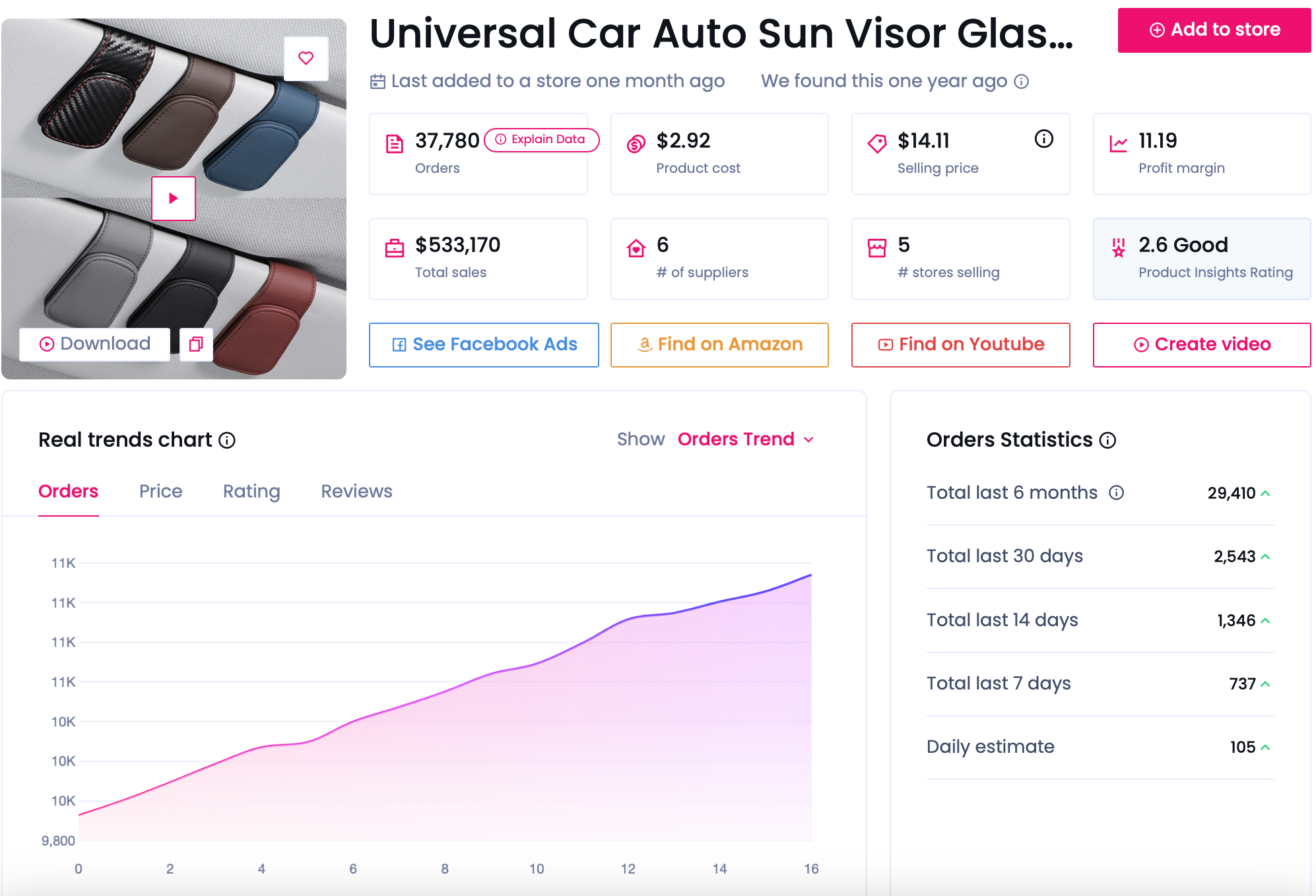
Here’s a great example of a popular product on Sell The Trend:
Sustainable living is a growing niche driven by eco-conscious consumers looking to reduce waste in everyday life.
Why it works:
Popular products:
What drives sales:
Key insight:
This niche converts on trust and values, not impulse. Positioning matters more than discounts.
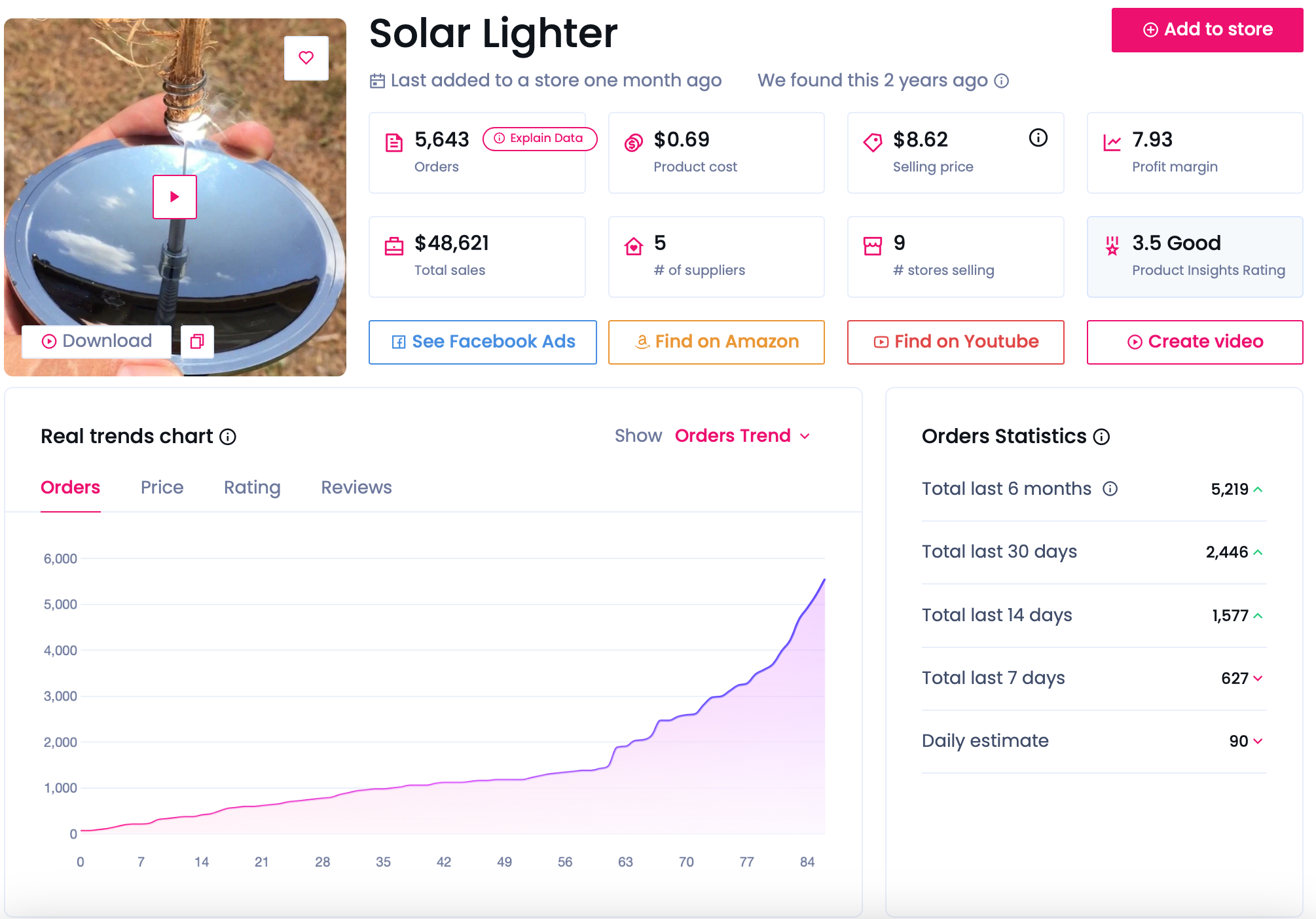
Check out this example of a great product on Sell The Trend:
Kitchen tools are an evergreen niche driven by daily cooking habits and constant demand for convenience and efficiency.
Why it works:
Popular products:
What drives sales:
Key insight:
Focus on problem-solving tools, not generic cookware. Products that simplify cooking outperform everything else.
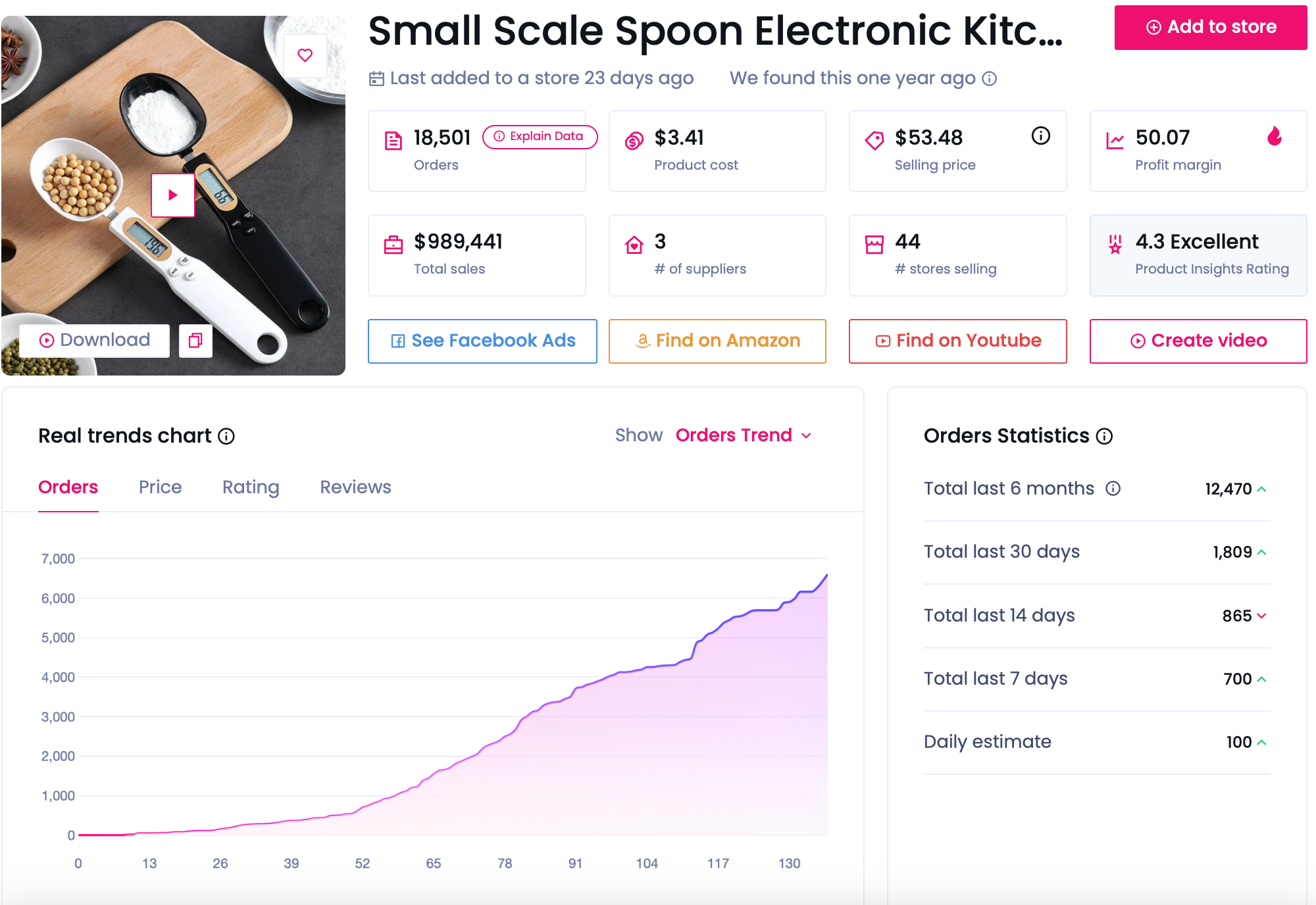
Here’s an example of a top-selling product on Sell The Trend:
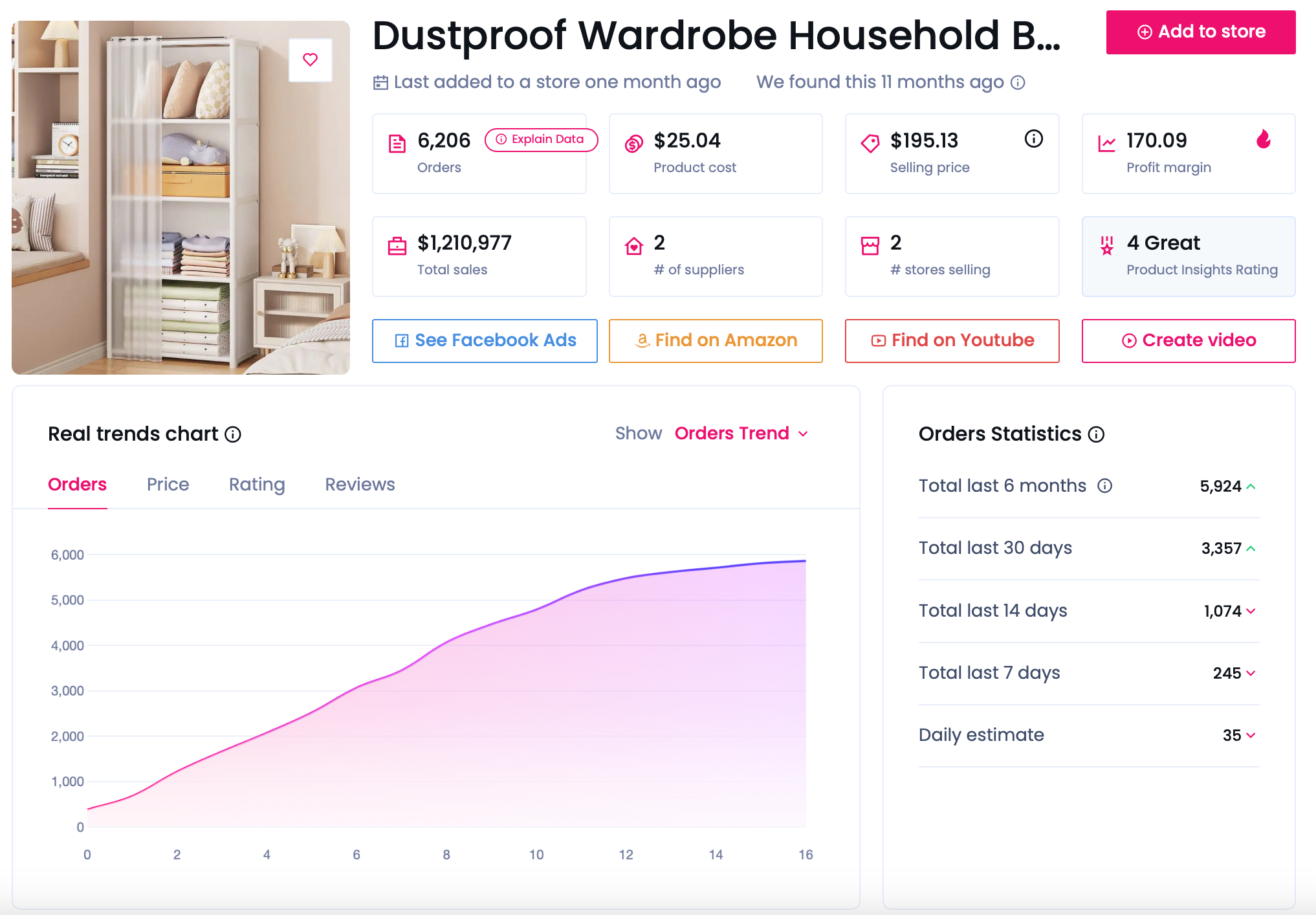
Home and bedroom products convert through emotional triggers like comfort, relaxation, and improved living spaces.
Why it works:
Popular products:
What drives sales:
Key insight:
This niche sells on emotion and aesthetics. Strong branding and visuals matter more than technical features.
Here’s a standout product in this niche on Sell The Trend:
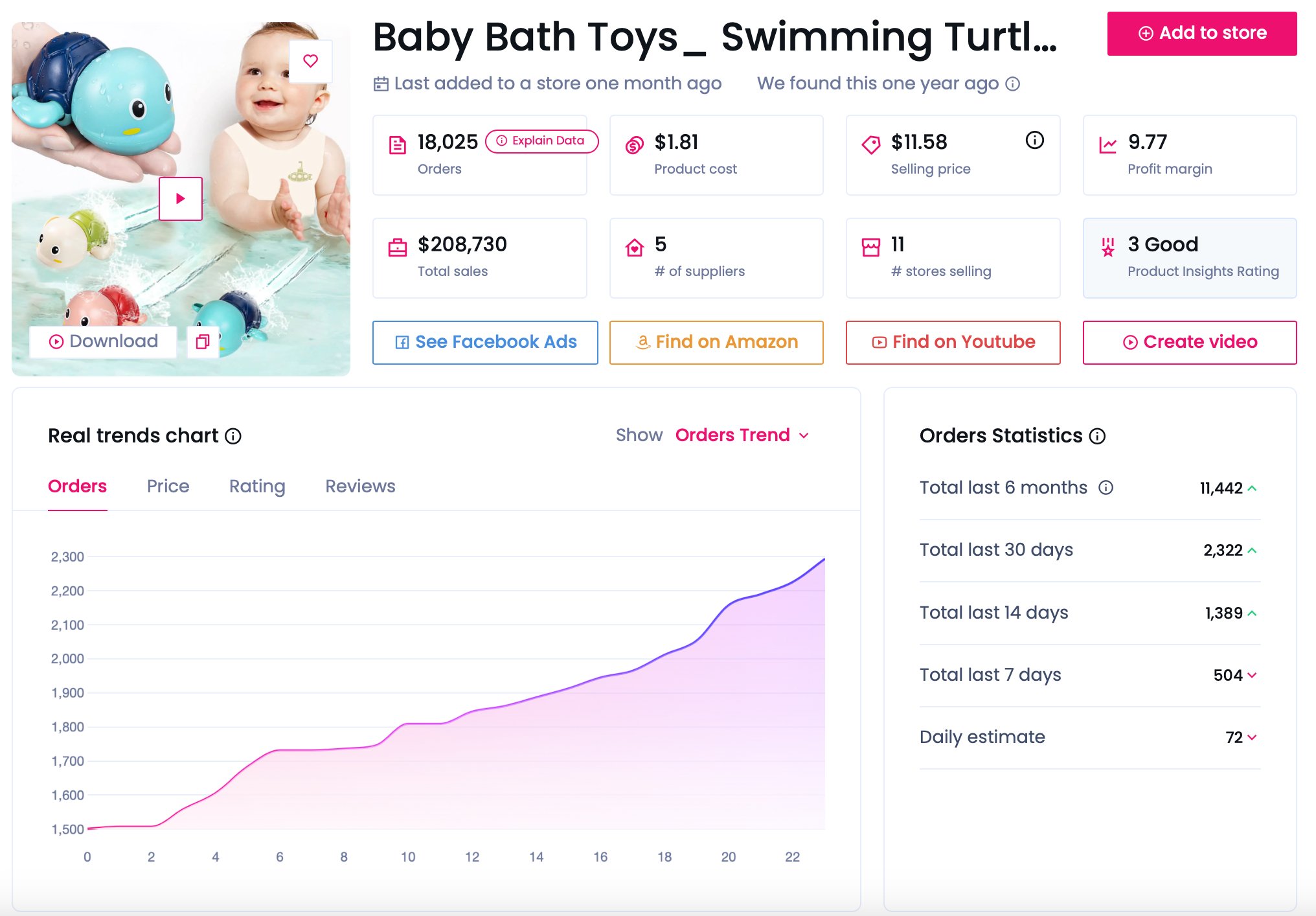
The child and baby niche is driven by necessity, with consistent demand from parents prioritizing safety, comfort, and convenience.
Why it works:
Popular products:
What drives sales:
Key insight:
This niche runs on trust. Product quality, reliability, and clear communication are critical for conversions.
Here’s a great product example on Sell The Trend:
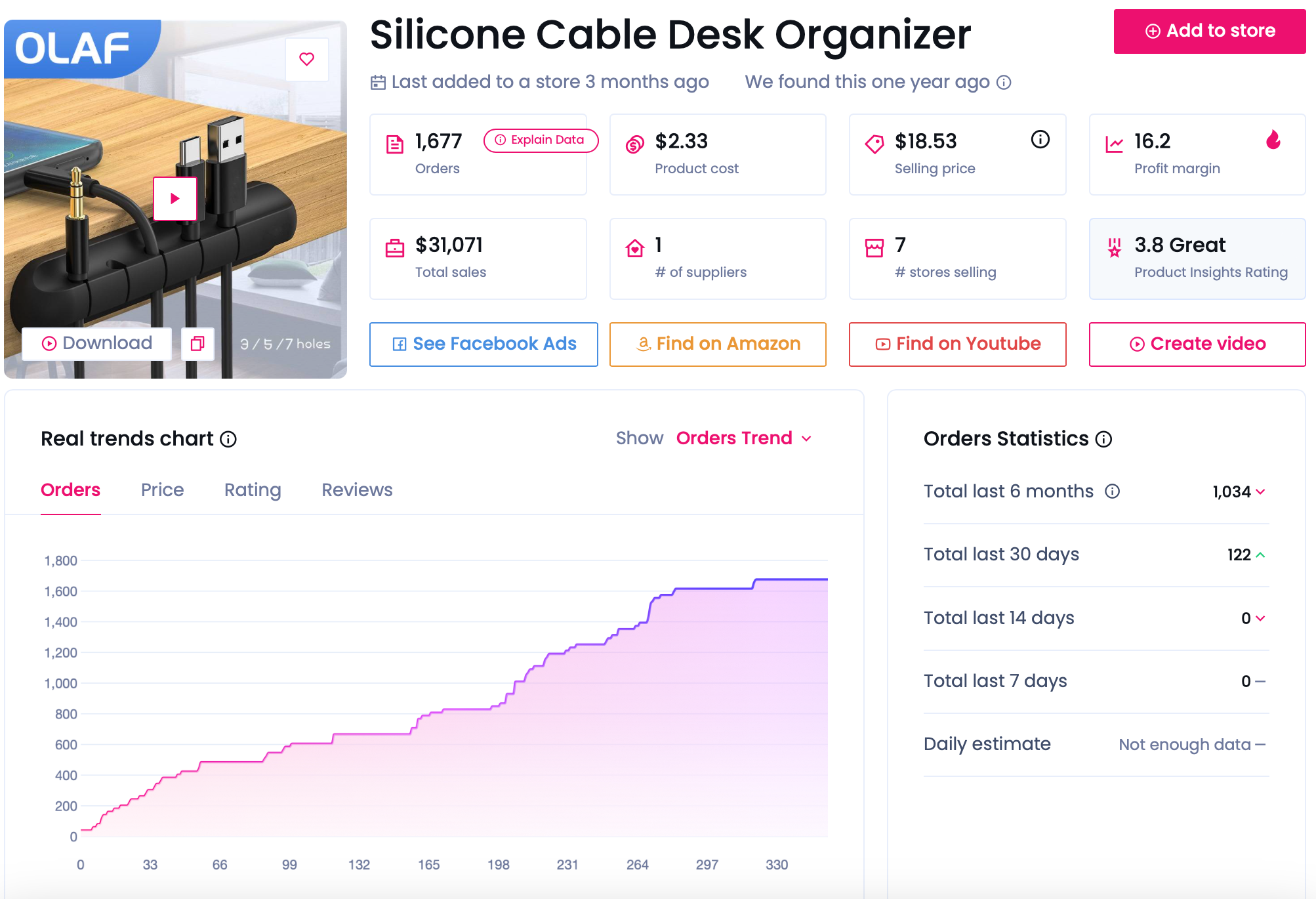
Home office products continue to grow as remote and hybrid work drive demand for better productivity and comfort.
Why it works:
Popular products:
What drives sales:
Key insight:
This niche converts on performance. Position products around productivity and health, not just aesthetics.
Here’s an excellent product example on Sell The Trend:
🔗 Want to find this product and its best suppliers fast? Start Your Sell The Trend Free Trial Now
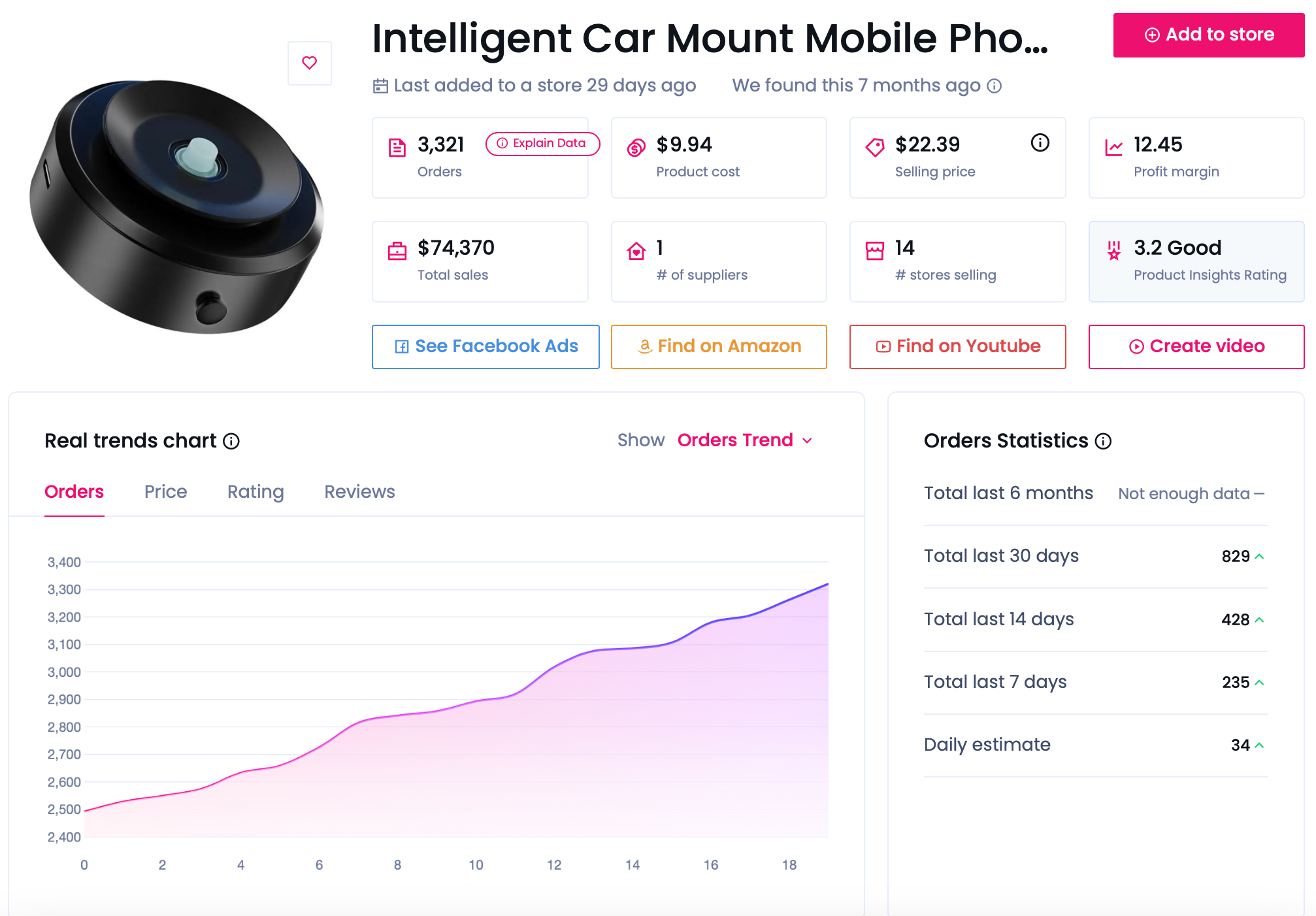
Phone accessories are a staple dropshipping niche driven by constant device usage, upgrades, and replacements.
Why it works:
Popular products:
What drives sales:
Key insight:
This niche is highly competitive. Winning comes from niche targeting and creative angles, not generic products.
Here is a perfect examples of trending product in this niche on Sell The Trend:
Pet supplies are driven by emotional buying, with owners prioritizing comfort, convenience, and quality for their pets.
Why it works:
Popular products:
What drives sales:
Key insight:
This niche converts on emotion and trust. Products that improve a pet’s comfort or daily life perform best.
Here is a great examples of top-selling product on Sell The Trend:

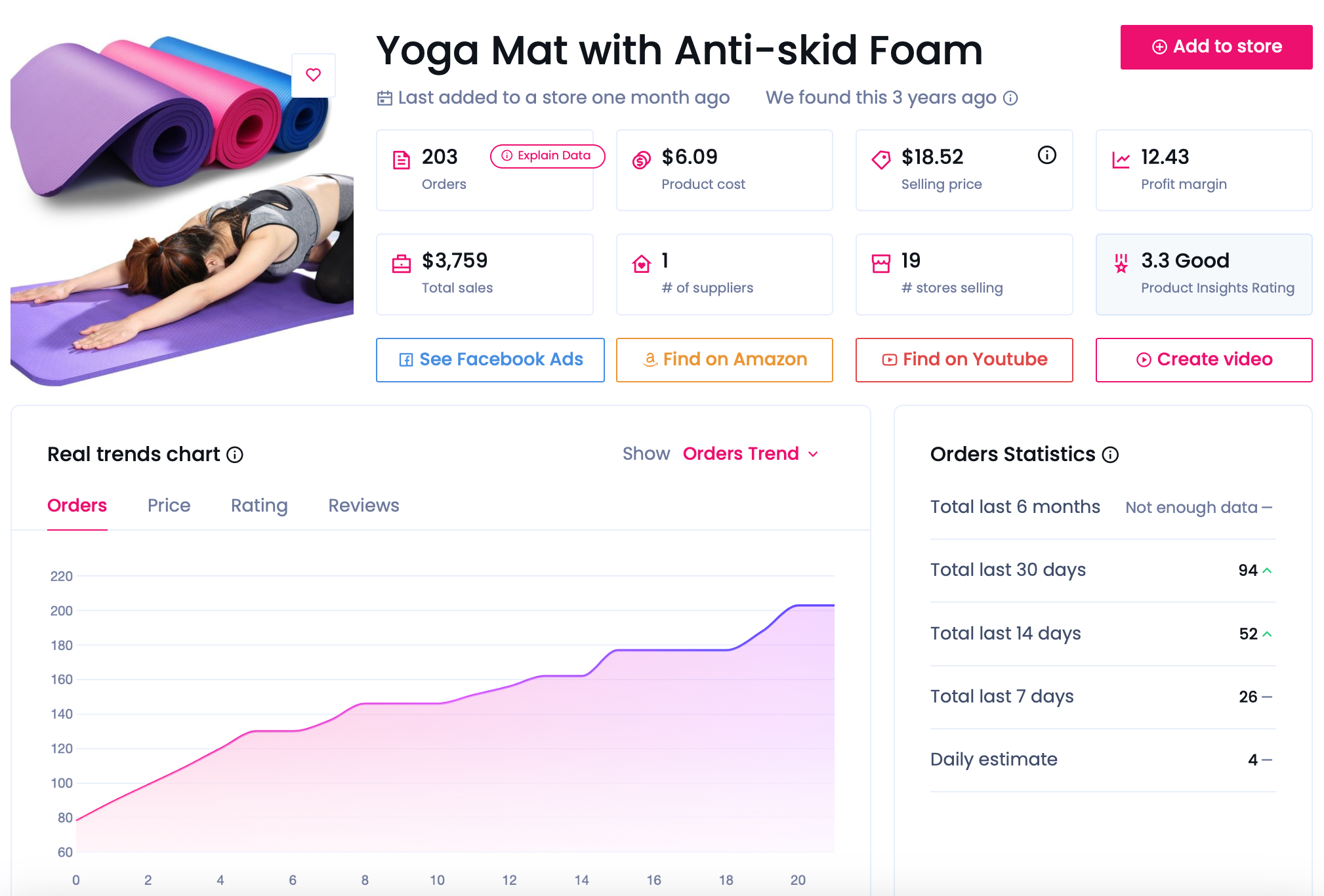
Fitness and wellness products benefit from long-term health trends and the shift toward home-based routines.
Why it works:
Popular products:
What drives sales:
Key insight:
Stick to compact, problem-solving products. Avoid bulky equipment and focus on convenience and usability for higher margins.
Check out this high-demand product on Sell The Trend:
🔗 Want to find this product and its best suppliers fast? Start Your Sell The Trend Free Trial Now
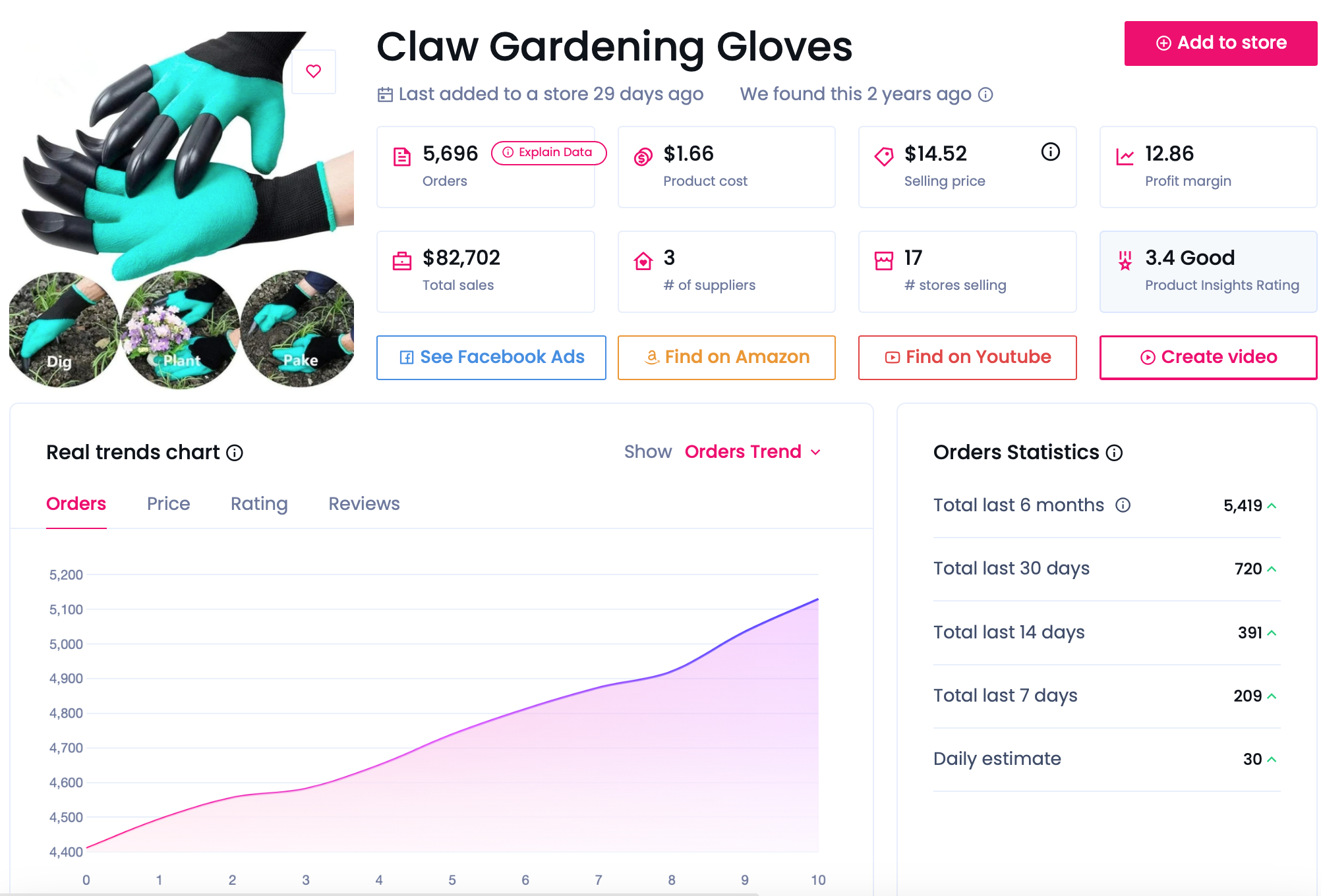
Gardening is a growing niche driven by interest in outdoor living, home improvement, and self-sustainability.
Why it works:
Popular products:
What drives sales:
Key insight:
Align products with sustainability and home improvement angles. Timing and positioning play a major role in performance.
Here is an excellent product that is trending on Sell The Trend:

The dropshipping niches to avoid in 2026 are shown in the table below.
| Niche | Main Risk | Why It’s Challenging | Suitable For |
|---|---|---|---|
| Watches | Market saturation and trust | Highly competitive with many low-quality sellers; customers are skeptical about authenticity and value | Experienced sellers with strong branding and sourcing |
| Clothing | High return rates | Sizing issues, fit expectations, and frequent returns make margins unstable | Brands with niche positioning and strong visuals |
| Health Products and Supplements | Regulatory and legal risk | Strict compliance requirements and high liability if claims are incorrect | Advanced sellers with compliance expertise |
| Beauty Products | Quality sensitivity | Ingredient concerns, skin reactions, and high customer expectations increase risk | Sellers with verified suppliers and clear formulations |
| Electronics | Defects and returns | Higher failure rates, warranty issues, and shipping damage | Sellers with technical support and QA processes |
| Jewelry | Trust and perceived value | Buyers often doubt quality, materials, and durability | Brands with clear materials info and strong presentation |
| Toys | Safety compliance | Different safety standards by region and higher liability | Sellers who can manage certifications and testing |
You should know that some niches can be profitable, but they tend to be harder for beginners due to regulations, quality sensitivity, high return risk, or intense competition. If you are new, treat these as higher difficulty categories. Here’s a bit more about every niche.
This niche can succeed with strong branding and product expertise, but it is often saturated, and building trust is difficult without clear positioning and quality control.
Clothing is competitive, and returns can be high due to sizing and expectations. It can work with niche positioning and strong visuals, but it is rarely an easy niche to enter.
These categories carry a higher compliance risk and require careful claims management. If you cannot guarantee supply chain reliability and compliant messaging, do not start here.
Beauty products can work, but quality and ingredient expectations are high. Returns and customer complaints can scale quickly if product performance is inconsistent.
Electronics often carry a higher risk of defects and higher return rates. This niche requires careful supplier vetting, clear warranty handling, and strong customer support.
Trust is the main barrier. Many buyers worry about quality and authenticity. If you sell jewelry, clear materials information and a strong presentation are essential.
Safety expectations are high, and standards vary by region. If you cannot manage compliance and quality checks, this niche can become a liability.

A dropshipping niche is a focused market segment defined by a specific customer group and a clear type of product demand. Instead of selling a wide range of unrelated products, a niche-based store targets a narrower audience with similar needs, preferences, or problems.
For example, rather than selling general fitness products, a niche online store may focus on home workout accessories or recovery tools for people who train at home. This focus makes marketing more efficient, branding clearer, and building customer trust easier.
A strong niche is not only about the product category. It also includes audience intent, price sensitivity, shipping feasibility, and the ease with which you can differentiate your offer.

If you want to find the most profitable dropshipping niche in 2026, validate three things first: demand consistency, realistic competition, and operational risk. Before committing to a niche, evaluate it against the following criteria to ensure a successful dropshipping business.
Pro Tip: Build a simple niche scorecard before you commit. Rate each niche from 1 to 5 for demand stability, competition level, shipping risk, return risk, and your ability to differentiate, then choose the niche with the strongest overall balance.
Demand validation is essential. Look for products with consistent interest rather than short spikes. Use keyword research tools, trend analysis, and competitor stores to confirm real buyer intent.
Platforms like Google Keyword Planner and Google Trends help identify search behavior, while marketplaces reveal what customers are actively purchasing.
Sell The Trend can support this process by aggregating market demand and competition signals across products, helping you validate ideas more efficiently.
Pro Tip: Use Sell The Trend’s Niche Spy Tool to find trending products within your niche and boost sales. This tool helps you spot products that are gaining traction by analyzing real-time data on demand, competition, and market trends inside popular niches.
But how do you know if your niche has demand? There are a few key steps to research and validate it:
Popular tools can help you understand product demand and identify the right niche.
Let’s break down the top four: Sell The Trend’s Niche Spy Tool, Google Keyword Planner, Meta Audience Insights, and Google Trends. Here’s what they do and how they help:
Manual research tells you what happened last year; the Sell The Trend Niche Spy tells you what is happening this second. Every month, our NEXUS AI engine re-calculates millions of internal data points—tracking over 1,000,000 active e-commerce stores—to identify which niches are seeing the highest search volume and the highest concentration of “New Winners.”
Instead of browsing through saturated markets, you get a live leaderboard of niches ranked by Order Velocity and Winning Product in Niche. This isn’t just a list; it’s a real-time map of where the money is moving right now, allowing you to validate a new niche in under 5 minutes.

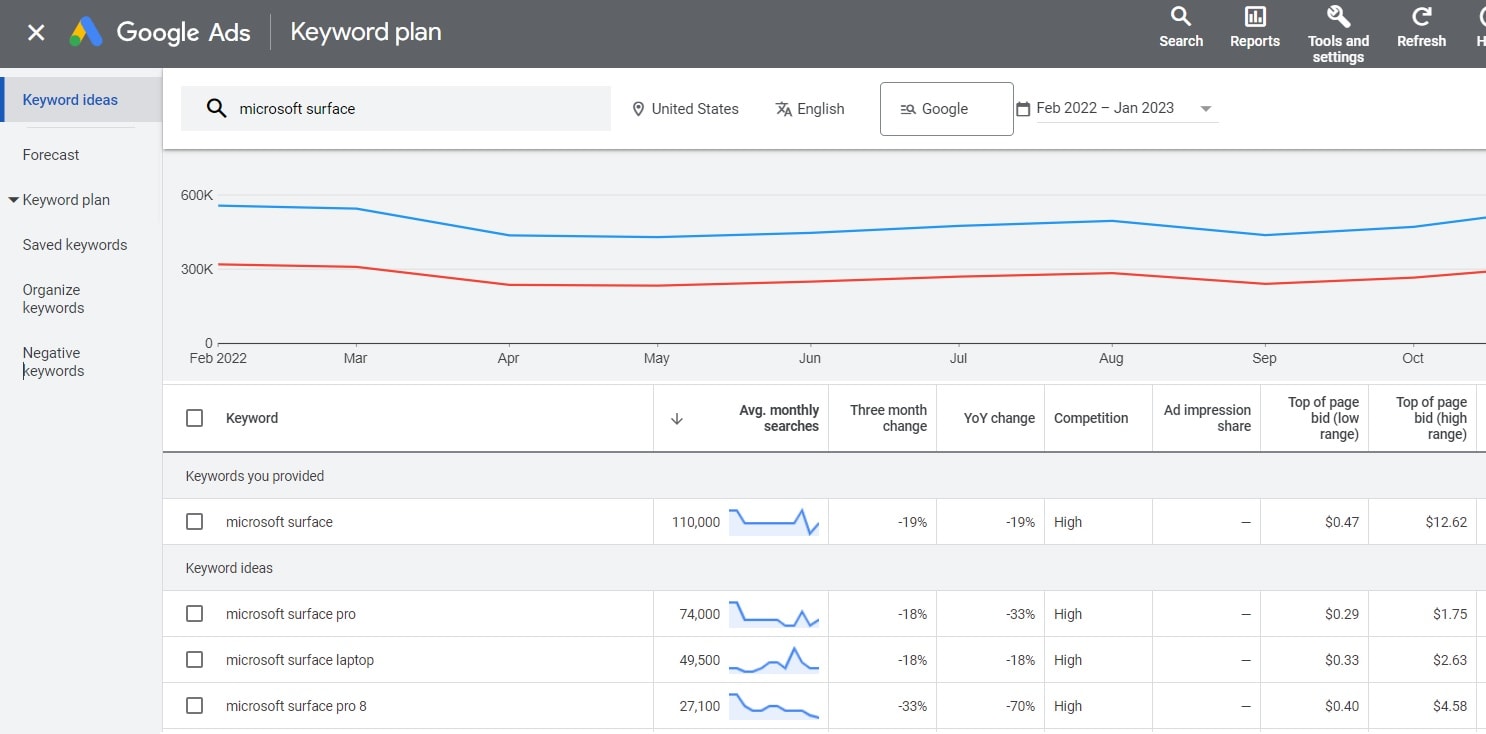
This tool is perfect for understanding what people are searching for online. It shows search volume for specific keywords and provides insights into their competitiveness.
It helps you find out how many people are searching for your product or niche every month. You can also see keyword ideas based on your input, helping you expand your reach.
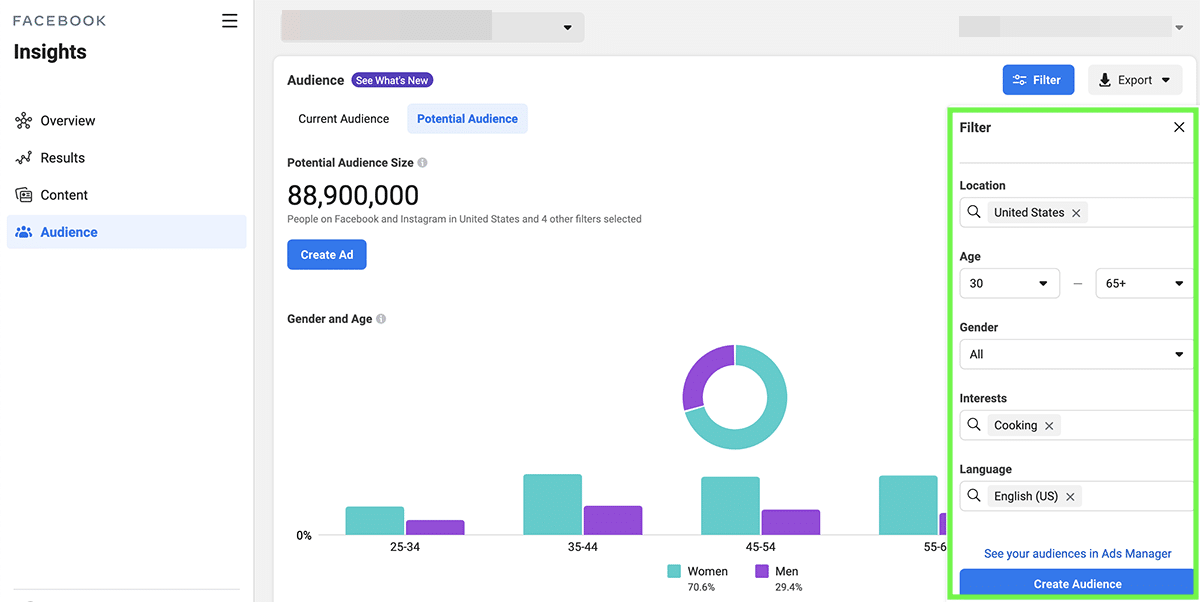
This tool helps you understand your target audience on platforms like Facebook and Instagram. It provides detailed data on user demographics, interests, and behaviors.
Meta Audience Insights helps you identify your audience by showing you who is engaging with products in your niche, their age, location, and other interests.
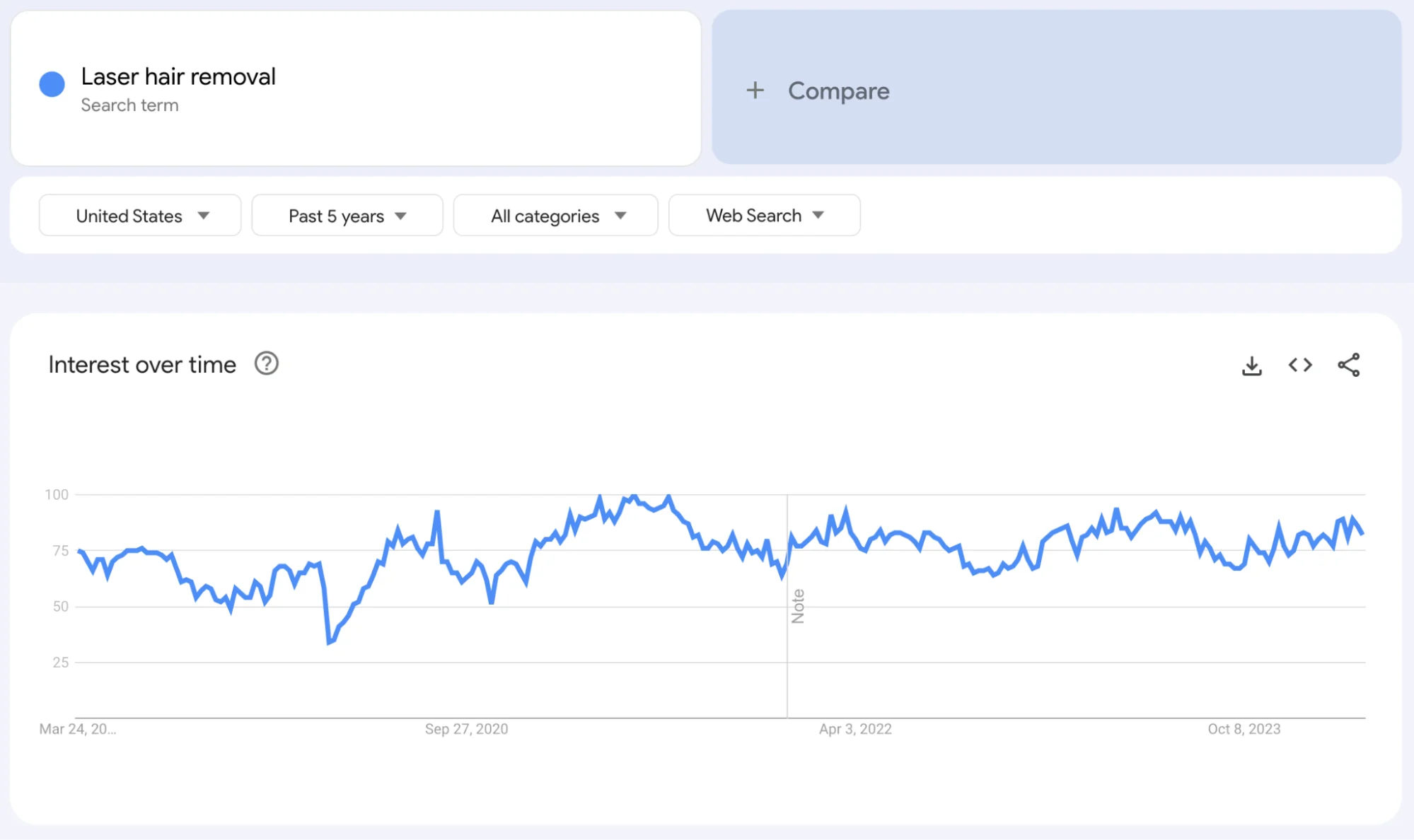
Google Trends is excellent for seeing how search interest in a product or niche changes over time. It lets you track whether a niche is growing or declining.
It shows you search trends over time, helping you determine whether a product is trending up or fading. It also helps you spot seasonality, when interest in a product is higher during certain times of the year (e.g., Christmas decorations in winter).
Key features:
Pro Tip: Validate pricing power, not just demand. If the first page of results is full of identical products priced within a narrow range, you will need bundles, premium positioning, or a stronger brand angle to protect margins.
Marketplaces provide real-time insight into what sells. Bestseller lists, reviews, and related product sections highlight proven demand and common customer complaints.
Use this data to identify gaps rather than copy existing listings.
How to use it:
Pro Tip: Use a simple creative test loop for each niche. Launch 3 to 5 ad creatives that emphasize different buyer motivations (price, convenience, results, gifting, or problem solving), then double down only on the angle that gets the best click and add to cart signals.
Accessory-based products are easier to ship and upsell, and often carry higher margins. They also encourage repeat purchases.
Examples include phone add-ons, kitchen tools, and pet accessories.
Why it works:
If you can find the right accessory-heavy niche, you’ll enjoy repeat sales and higher profit margins.
Passion-driven customers are those willing to spend more on their hobbies or lifestyles. Whether it’s fitness, gaming, or DIY crafting, people in these niches tend to be repeat buyers who value quality over price.
How to identify them:
Always calculate margins using product cost, shipping, payment fees, advertising costs, and potential returns. High paper margins can shrink quickly when all costs are included.
A sustainable target for most stores is a net margin that allows consistent reinvestment rather than maximum short-term profit.
How to calculate:
Let’s take an example and calculate this trending product on Sell The Trend, the Gojo Cat Plush Doll Pendant.
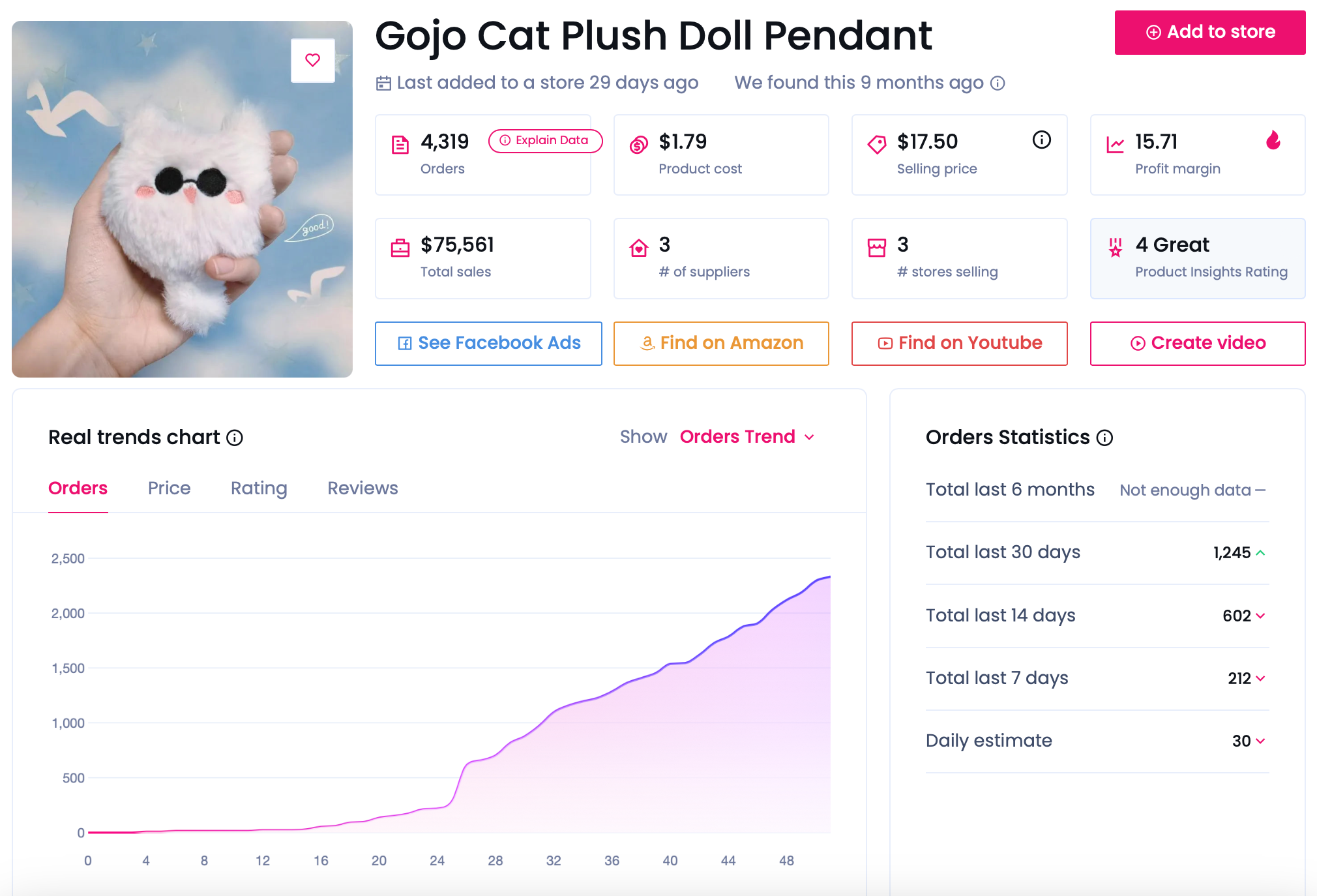
The cost of goods for this product is $1.79, which is what the supplier charges you.
The listed selling price is $17.50, which is what customers would pay.
When calculating your profit margin, you also need to consider additional fees, like platform charges and payment processing. Although these aren’t provided here, they usually range between 2-5% of the selling price, depending on the platform you’re using (such as Shopify or Amazon).
Now, with a selling price of $17.50 and a product cost of $1.79, you’re left with a profit margin of approximately 89.77%, which gives you plenty of room to cover shipping costs, marketing expenses, and fees, while still keeping a healthy profit.
A good rule of thumb is to aim for a 30-50% margin to ensure you’re making enough profit after all costs are considered.
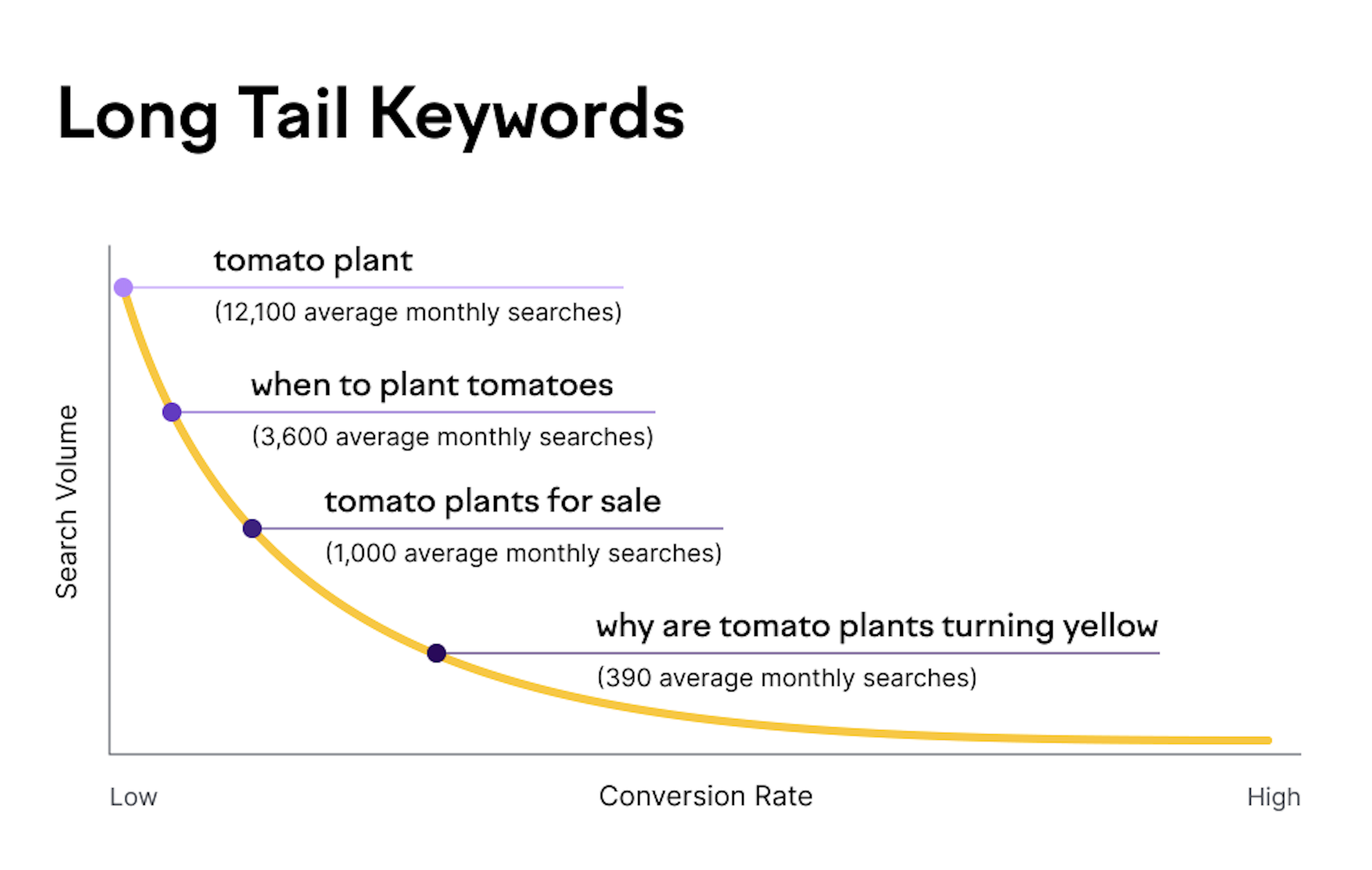
Instead of targeting broad keywords like “phone cases,” focus on long-tail keywords like “eco-friendly phone cases for iPhone 13.” These specific phrases may receive less traffic, but they typically attract more qualified buyers.
Why it works:
Products that are not easily available in local stores often perform better online. Look for items with specific features, designs, or use cases that solve niche problems.
How to spot them:
Pro Tip: Choose products that support fast fulfillment expectations. In many niches, delivery speed is a conversion factor, so prioritize items with reliable tracking and predictable delivery times before you scale spend.

To measure competition in your dropshipping niche, you first need to understand that competition is not automatically good or bad. What matters is whether you can realistically gain visibility, build trust, and differentiate your offering without sacrificing margins. A strong niche usually has demand and competition, but it also has gaps you can target with better positioning, content, bundles, or faster delivery.
Below are practical ways to evaluate competition before you commit.
A fast way to estimate how hard it is to compete in organic search is to look at how many unique websites link to the top-ranking competitors. More linking domains usually mean stronger authority and greater effort required to outrank them.
How to use this:
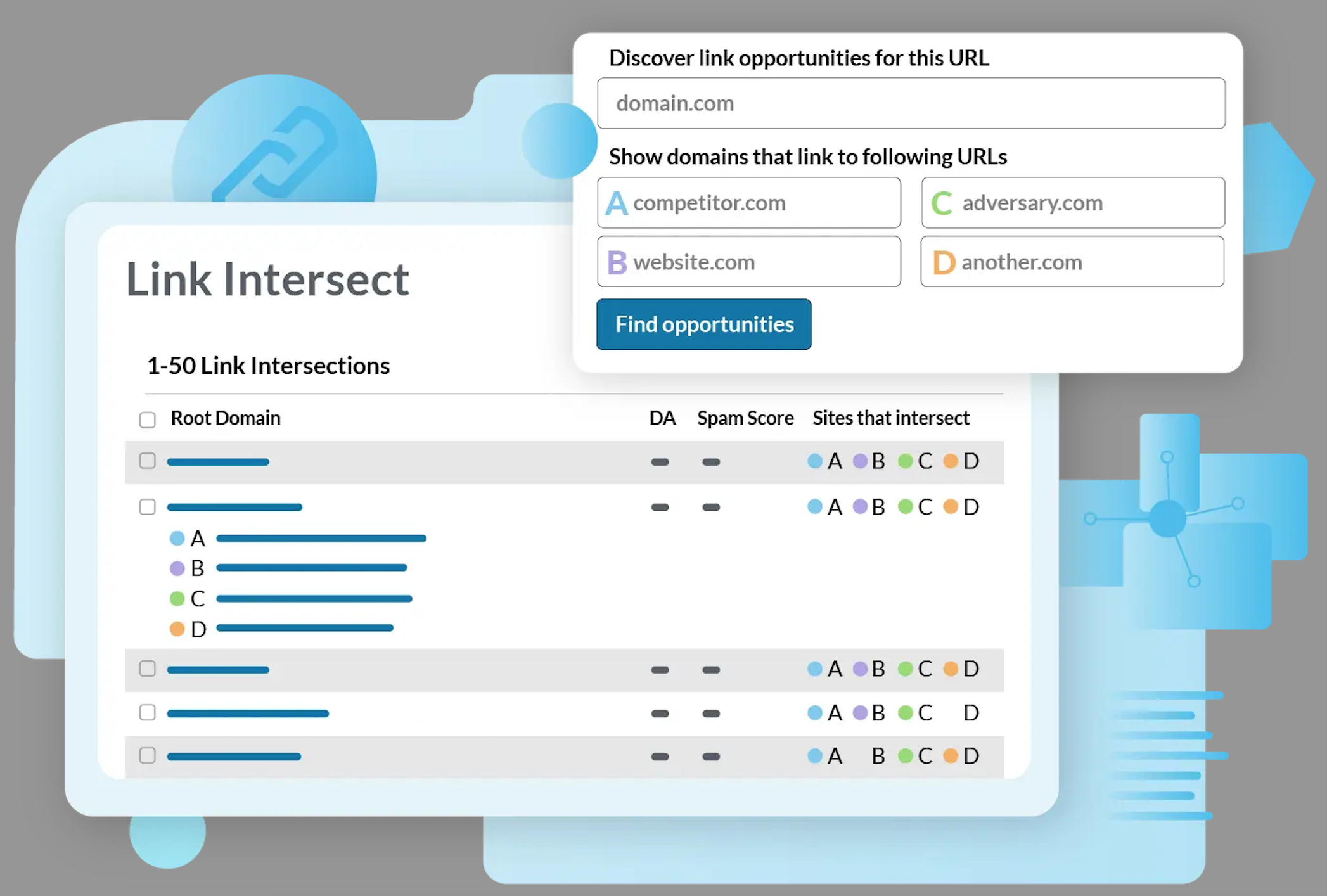
If competitors have thousands of linking domains, do not panic. It may simply mean you need a narrower angle, a different set of long tail keywords, or a content strategy that targets specific product use cases.
Domain Authority is a third-party metric and not an official Google metric, but it can still be useful as a directional signal. If most top results come from highly authoritative sites, you will likely need a stronger plan to compete.
How to use this:
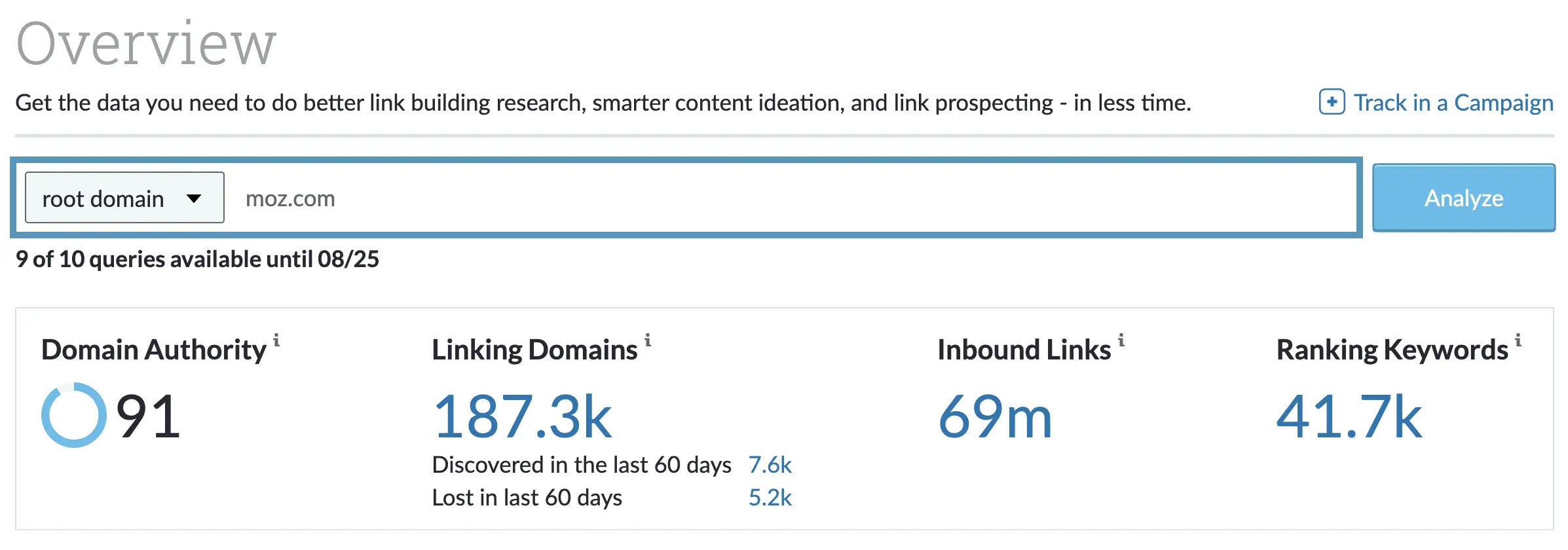
A realistic strategy for new stores is to avoid direct head-to-head competition on broad keywords and instead build topical coverage around specific product types and buyer intent.
Traffic estimates help you understand how established competitors are and what keywords drive their growth. Tools like Semrush and Similarweb can provide directional estimates.
What to look for:
If competitors dominate the broad term, you can still compete by narrowing your entry point. Build pages and content around specific product categories, compatible devices, seasonal needs, or customer problems.
Search visibility is only one part of the competition. You also need to assess whether the niche is flooded with identical products sold at similar prices.
How to evaluate product competition:
If many sellers offer identical items, the easiest way to stand out is not by price. It is positioning. Consider bundles, better product education, clearer sizing guides, stronger photos, faster delivery, or niche-specific sets.
If you plan to use paid traffic, check whether the niche is already crowded with ads. High ad volume does not always mean a niche is unprofitable, but it usually means your creative and offer must be stronger.
Practical checks:
Sell The Trend can help by accelerating product and competitor validation, but the best results still come from combining tool data with real-world market observations.

If you want to be successful with your dropshipping business, picking a niche is the starting point. Execution determines results. The goal is to sell products with clear demand, build trust, reduce returns, and drive repeat purchases.
To sell effectively, you need to understand what customers actually care about. Go beyond demographics and focus on their problems, priorities, and buying triggers.
Ways to learn this quickly:
When you understand the customer, you can write better product descriptions, create more compelling bundles, and design a more compelling offer.
Competing only on price is rarely sustainable. Price pressure increases as more sellers enter a niche. A better strategy is to compete on value and clarity.
Examples of value adds:
Value improves conversion and reduces refunds, which protects your margins.
Supplier quality affects everything: delivery time, packaging, returns, and customer satisfaction. A reliable supplier can become a long-term advantage.
Supplier steps that matter:
If you cannot confirm the supplier’s reliability, do not build a store around them.
If a niche is crowded, you need a reason to exist. Differentiation does not always require inventing a new product. It can come from the way you package, present, or position the product.
Ways to differentiate:
Communities increase trust and repeat buying. A simple way to build community is to encourage customers to share results, photos, or routines.
Examples:
This works especially well in lifestyle niches such as pets, fitness, and home, and can lead to long-term success.
Personalization increases perceived value and makes products more giftable. It also helps some stores stand out in crowded categories.
If you offer personalization, keep operations realistic:
A known example is Printify, which supports personalization for certain print-on-demand products.
Urgency can lift conversions, but it should be used responsibly. Instead of aggressive pressure, focus on clear time-bound offers with simple terms.
Examples:
If you use social proof, keep it accurate and avoid exaggerated claims.

Here are answers to the most common questions about choosing the best dropshipping niches in 2026.
The most profitable niche depends on your margins after ads, shipping, returns, and support. In practice, niches with repeat purchases and clear differentiation tend to be more profitable than niches where sellers compete on identical products.
The top 10 niches in 2026 include car accessories, sustainable living products, kitchen tools and dining, home and bedroom, child and baby products, home office products, phone accessories, pet supplies, fitness and wellness, and gardening tools and supplies.
High-demand niches are usually tied to daily habits and recurring needs. Phone accessories, home products, pet supplies, and home office products often show consistent interest because customers replace or upgrade items regularly.
High-ticket niches include products with a higher average order value, such as premium home items, large home-improvement products, higher-end fitness equipment, and specialized tools. They can offer larger profits per sale, but they also require higher trust, stronger support, and lower tolerance for returns or delivery issues.
There is no single niche that always sells the best. The best-performing niche is one where you can match demand with strong positioning, reliable suppliers, and a clear reason for customers to choose your store.
Smaller accessories are often easier to sell because they are easier to ship and usually have lower return risk. Examples include phone accessories, small kitchen tools, and certain pet accessories.
Profit varies widely, but many stores aim for net profit margins of 10-30% after all costs. The key is tracking returns, customer support load, and ad efficiency, not just product margin.
The best dropshipping niches in 2026 are the ones with consistent demand, manageable operational risk, and room for differentiation. Instead of chasing the most popular category, focus on niches where you can offer clarity, reliability, and a better customer experience.
Validate demand using search trends, marketplace signals, and competitor research. Then choose products you can ship reliably, support confidently, and position in a way that gives customers a reason to buy from you.
If you’re ready to stop guessing and start building your store with confidence, Sell The Trend gives you the AI tools to discover winning niches, validate products with real data, and automate your dropshipping business from day one. Start your 14 day free trial today.

Maria is a marketing specialist with hands-on experience in digital growth strategies and eCommerce.
As part of the Sell The Trend team, she has developed deep expertise in dropshipping through close work with product research, trend analysis, and go-to-market strategies used by successful online sellers.
Her content focuses on practical marketing insights, audience behavior, and data-driven decision-making to help merchants launch and scale with confidence.